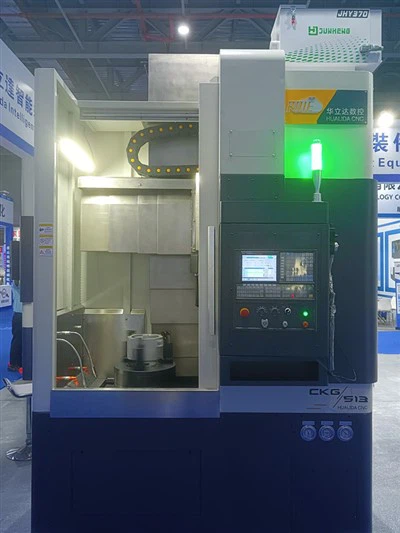
Hey there! As a supplier of CNC Turning and Milling, I often get asked about the power consumption of CNC milling machines. It's a crucial topic, especially for those looking to optimize their production costs and energy usage. So, let's dive right in and explore what affects the power consumption of these machines.
Understanding the Basics of Power Consumption
First off, power consumption in a CNC milling machine is measured in kilowatts (kW). It represents the rate at which the machine uses electrical energy. The actual power used can vary widely depending on several factors.
One of the main factors is the size of the machine. Larger CNC milling machines generally have more powerful motors, which means they consume more electricity. For example, a small benchtop CNC milling machine might have a power rating of around 1 - 2 kW. On the other hand, industrial - scale machines can have power ratings of 10 kW or more.
The type of operation also plays a huge role. When the machine is running at idle, just sitting there waiting for instructions, it still uses some power. This idle power consumption is usually a fraction of the machine's maximum power. But when the machine is actively cutting, drilling, or shaping a workpiece, the power draw can spike significantly.
Components Affecting Power Consumption
The spindle motor is one of the biggest power consumers in a CNC milling machine. The spindle is responsible for rotating the cutting tool, and the faster it spins, the more power it needs. High - speed machining operations require the spindle to run at very high RPMs (revolutions per minute). For instance, if you're doing precision machining at 10,000 RPM, the spindle motor will draw a lot more power compared to a low - speed operation at 1,000 RPM.
The coolant system is another component that uses power. Coolants are essential in CNC milling to reduce heat generated during the cutting process and to flush away chips. Pumps are used to circulate the coolant, and these pumps consume electricity. The power required depends on the size of the coolant tank and the flow rate of the coolant.
The control system of the CNC milling machine also uses power. This includes the computer, sensors, and actuators that control the movement of the machine's axes. While the power consumption of the control system is relatively small compared to the spindle motor, it still adds up over time.


Calculating Power Consumption
Calculating the power consumption of a CNC milling machine isn't always straightforward. You can start by looking at the machine's power rating, which is usually provided by the manufacturer. However, this rating is the maximum power the machine can draw, and in real - world use, it rarely operates at this level.
To get a more accurate estimate, you can use a power meter. Simply plug the machine into the power meter, and it will measure the actual power consumption over a period of time. This way, you can see how different operations affect the power usage. For example, you can measure the power consumption during roughing cuts and compare it to finishing cuts.
Let's say you're running a CNC Turning and Milling Machine Tools for a 10 - hour shift. If the machine has an average power consumption of 5 kW during this time, then the total energy consumed in that shift is 50 kilowatt - hours (kWh). You can then multiply this by your electricity cost per kWh to calculate the cost of running the machine for that shift.
Strategies to Reduce Power Consumption
Now that we understand what affects power consumption, let's talk about some strategies to reduce it. One simple way is to optimize the machining parameters. For example, you can reduce the spindle speed when it's not necessary to run at high speeds. This can significantly lower the power draw of the spindle motor.
Another strategy is to turn off the machine when it's not in use. Many shops leave their CNC milling machines running even during breaks or when there's no production. This is a waste of energy. By simply powering down the machine when it's idle, you can save a substantial amount of electricity.
Regular maintenance of the machine is also important. A well - maintained machine runs more efficiently. For example, keeping the spindle bearings properly lubricated reduces friction, which in turn reduces the power required to rotate the spindle.
The Impact of Power Consumption on Your Business
High power consumption can have a significant impact on your bottom line. Electricity costs can be a major expense, especially for large - scale manufacturing operations. By reducing the power consumption of your CNC Lathe and Milling Machine, you can lower your production costs and increase your profit margins.
Moreover, in today's environmentally - conscious world, reducing energy consumption is not just about saving money. It's also about being a responsible corporate citizen. By using less electricity, you're reducing your carbon footprint and contributing to a more sustainable future.
Conclusion
So, to sum it up, the power consumption of a CNC milling machine depends on many factors, including the size of the machine, the type of operation, and the components used. By understanding these factors and implementing strategies to reduce power consumption, you can save money and be more environmentally friendly.
If you're in the market for a new CNC turning and milling machine or want to learn more about optimizing the power consumption of your existing machines, we're here to help. We have a wide range of high - quality CNC Turning and Milling products that are designed for efficiency. Feel free to reach out to us for more information and to start a procurement discussion.
References
- "CNC Machining Handbook"
- Industry reports on CNC milling machine power consumption