


In the realm of modern manufacturing, CNC turning stands as a cornerstone process, renowned for its precision, versatility, and efficiency. As a supplier of CNC Turning and Milling, I've witnessed firsthand the transformative power of this technology in various industries. In this blog, we'll delve into the intricacies of CNC turning production efficiency, exploring the factors that influence it and how we, as a supplier, strive to optimize it.
Understanding CNC Turning
CNC turning is a machining process that involves rotating a workpiece while a cutting tool is fed into it to remove material. This subtractive manufacturing method is used to create cylindrical parts with high precision and accuracy. From simple shafts to complex components, CNC turning can produce a wide range of geometries with tight tolerances.
The key to the success of CNC turning lies in its automation. Computer Numerical Control (CNC) systems allow for precise control over the machining process, eliminating the need for manual intervention. This not only improves accuracy but also significantly enhances productivity. With CNC turning, manufacturers can produce parts with consistent quality, reducing the likelihood of errors and rework.
Factors Affecting CNC Turning Production Efficiency
Several factors can influence the production efficiency of CNC turning. Understanding these factors is crucial for optimizing the machining process and maximizing productivity.
Machine Tool Performance
The performance of the CNC Turning and Milling Machine Tools plays a vital role in production efficiency. High-quality machine tools are equipped with advanced features such as high-speed spindles, rapid traverse rates, and automatic tool changers. These features enable faster machining speeds and reduce non-cutting time, resulting in higher productivity.
For example, a machine tool with a high-speed spindle can rotate the workpiece at a faster rate, allowing for quicker material removal. Similarly, an automatic tool changer can swap tools in a matter of seconds, minimizing the time spent on tool changes and increasing the overall machining efficiency.
Cutting Tools
The choice of cutting tools is another critical factor in CNC turning production efficiency. The right cutting tool can significantly improve cutting performance, reduce tool wear, and increase tool life. When selecting cutting tools, it's essential to consider factors such as the material being machined, the desired surface finish, and the machining conditions.
For instance, carbide cutting tools are widely used in CNC turning due to their high hardness, wear resistance, and ability to withstand high cutting speeds. Coated carbide tools offer even better performance, as the coating provides additional protection against wear and improves chip flow.
Programming and Setup
Efficient programming and setup are essential for maximizing CNC turning production efficiency. CNC programs are used to control the movement of the cutting tool and the workpiece, determining the machining path and the cutting parameters. A well-written program can optimize the machining process, reducing cycle times and improving part quality.
In addition to programming, proper setup of the machine tool and the workpiece is crucial. This includes aligning the workpiece accurately, setting the cutting tool offsets, and ensuring that the machine tool is calibrated correctly. A thorough setup can minimize errors and reduce the need for adjustments during machining, saving time and improving productivity.
Workpiece Material
The type of workpiece material can also have a significant impact on CNC turning production efficiency. Different materials have different machining properties, such as hardness, toughness, and thermal conductivity. These properties affect the cutting forces, the tool wear, and the surface finish of the machined part.
For example, machining hard materials like stainless steel or titanium requires more powerful cutting tools and slower cutting speeds compared to machining softer materials like aluminum or brass. Understanding the machining properties of the workpiece material is essential for selecting the right cutting tools and optimizing the machining parameters.
Strategies for Improving CNC Turning Production Efficiency
As a CNC Turning and Milling supplier, we employ several strategies to improve production efficiency and deliver high-quality parts to our customers.
Continuous Improvement
We believe in the principle of continuous improvement, constantly looking for ways to optimize our machining processes and enhance our productivity. This includes investing in the latest technology, upgrading our machine tools, and training our staff on the latest machining techniques.

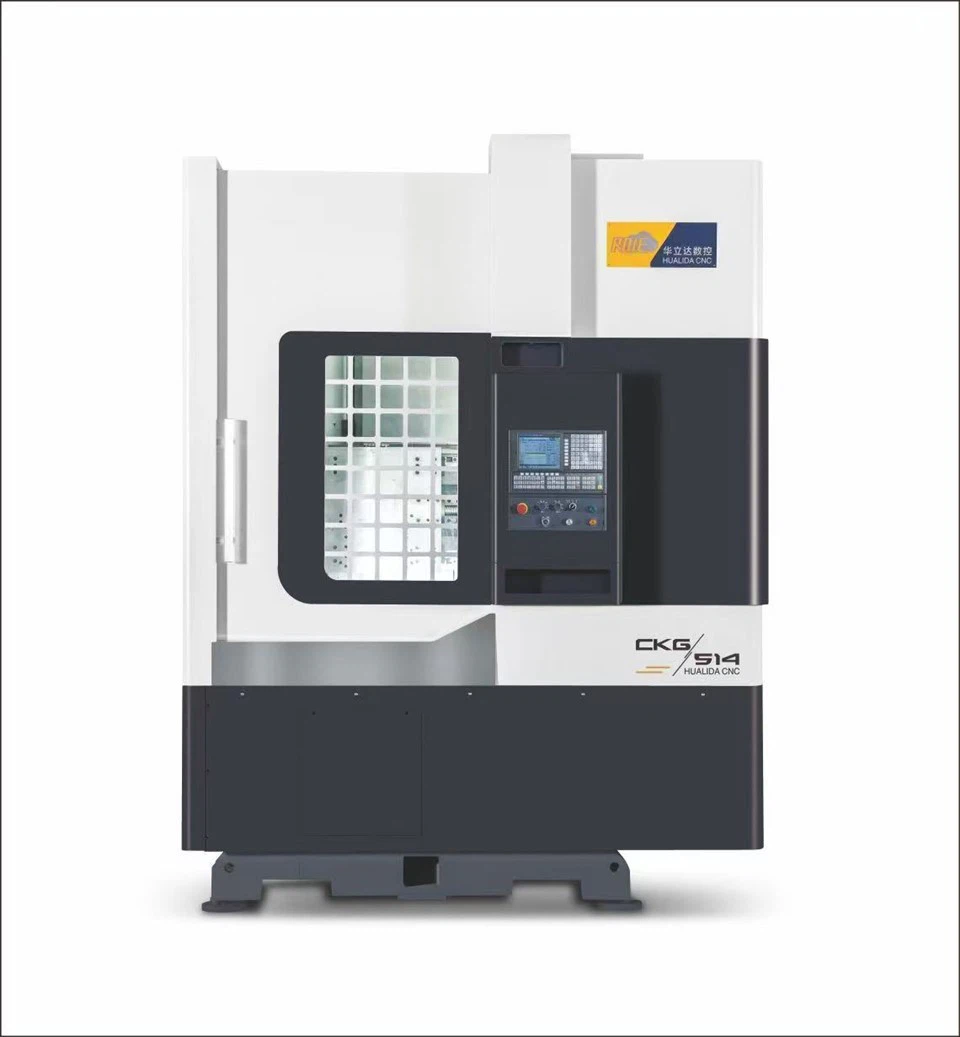
For example, we regularly evaluate new cutting tool technologies and materials to improve our cutting performance and reduce tool wear. We also invest in software solutions that allow us to optimize our CNC programs and simulate the machining process before production, reducing the risk of errors and improving efficiency.
Lean Manufacturing
Lean manufacturing principles are at the core of our production philosophy. We strive to eliminate waste, reduce lead times, and improve quality by streamlining our processes and optimizing our workflow. This includes implementing just-in-time inventory management, reducing setup times, and improving communication between different departments.
For instance, we use a kanban system to manage our inventory, ensuring that we have the right materials and components at the right time. We also invest in quick-change tooling systems to reduce setup times and increase the flexibility of our machining processes.
Customization and Flexibility
We understand that every customer has unique requirements, and we strive to provide customized solutions that meet their specific needs. Our team of experienced engineers works closely with our customers to understand their requirements and develop tailored machining solutions that optimize production efficiency and quality.
For example, we offer a range of machining services, including CNC turning, milling, drilling, and grinding, allowing us to provide a one-stop solution for our customers. We also have the flexibility to handle small batch production as well as large volume orders, ensuring that we can meet the needs of customers of all sizes.
Conclusion
In conclusion, CNC turning production efficiency is a critical factor in modern manufacturing. By understanding the factors that influence production efficiency and implementing strategies to optimize the machining process, we can deliver high-quality parts to our customers in a timely and cost-effective manner.
As a CNC Turning and Milling supplier, we are committed to providing our customers with the best possible service and the highest quality products. If you're looking for a reliable partner for your CNC turning and milling needs, we'd love to hear from you. Contact us today to discuss your requirements and learn more about how we can help you improve your production efficiency.
References
- Smith, J. (2019). CNC Machining Handbook. Industrial Press.
- Jones, A. (2020). Cutting Tool Technology for CNC Machining. McGraw-Hill.
- Brown, R. (2021). Lean Manufacturing Principles in Machining. Wiley.


