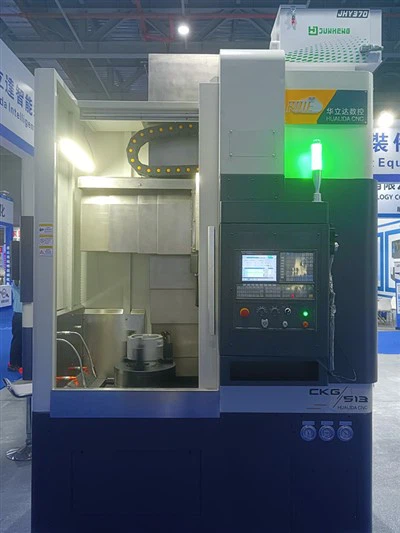
Hey there! As a supplier of Vertical Lathe Machines, I often get asked about the maximum spindle torque of these bad boys. So, I thought I'd take a deep dive into this topic and share some insights with you all.
First off, let's talk about what spindle torque actually is. In simple terms, spindle torque is the rotational force that the spindle of a lathe machine can generate. It's a crucial factor when it comes to heavy cutting operations, as it determines the machine's ability to remove material efficiently and accurately. The higher the spindle torque, the more force the machine can apply to the workpiece, allowing for faster and more aggressive cutting.
Now, the maximum spindle torque of a vertical lathe machine can vary widely depending on several factors. One of the most significant factors is the size and design of the machine. Larger vertical lathes, like the Heavy Vertical Lathe, are typically built to handle heavier workpieces and more demanding cutting tasks. As a result, they usually have higher maximum spindle torques compared to smaller machines.
Another factor that affects spindle torque is the type of motor used in the machine. Most modern vertical lathes are equipped with high-torque AC or DC motors that can deliver a significant amount of power. The power rating of the motor, measured in horsepower (HP) or kilowatts (kW), plays a crucial role in determining the maximum spindle torque. Generally, machines with more powerful motors can generate higher spindle torques.
The gearbox or transmission system of the lathe also plays a vital role in torque delivery. Some vertical lathes use a multi-speed gearbox that allows the operator to select different gear ratios, depending on the cutting requirements. By changing the gear ratio, the machine can adjust the spindle speed and torque to match the specific needs of the job. For example, when performing heavy cutting operations, a lower gear ratio can be selected to increase the spindle torque, while a higher gear ratio can be used for lighter finishing cuts.
Let's take a closer look at some of the applications where high spindle torque is essential. One of the most common applications is heavy cutting, where large amounts of material need to be removed from the workpiece. This could include turning, facing, or boring operations on large-diameter shafts, discs, or other cylindrical components. In these situations, a vertical lathe with a high maximum spindle torque is required to ensure smooth and efficient cutting. For more information on heavy cutting and vertical lathes, check out our Heavy Cutting and Vertical Lathe page.
Another application where high spindle torque is crucial is when working with hard or difficult-to-machine materials. Materials like stainless steel, titanium, and Inconel have high strength and hardness, which can make them challenging to cut. In these cases, a lathe with a high spindle torque can provide the necessary force to penetrate the material and achieve the desired cutting results. Our Heavy Cutting Vertical Lathe is specifically designed to handle these types of materials with ease.

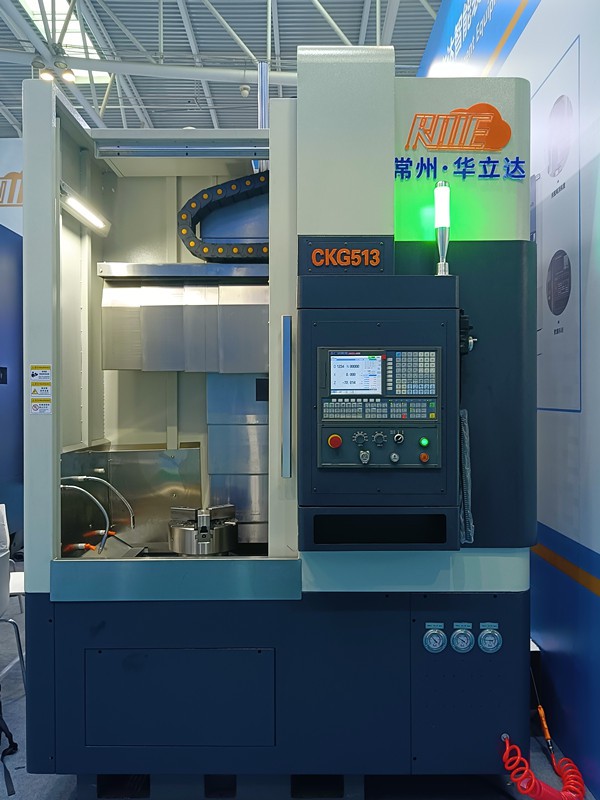
So, how do you determine the maximum spindle torque you need for your specific application? Well, it depends on several factors, including the size and type of workpiece, the material being cut, and the cutting operations you'll be performing. As a general rule of thumb, if you're planning to perform heavy cutting operations on large-diameter workpieces or work with hard materials, you'll need a lathe with a higher maximum spindle torque.
It's also important to consider the overall performance and capabilities of the machine. A high spindle torque is just one aspect of a good vertical lathe. You'll also want to look at other factors, such as the machine's accuracy, rigidity, and control system. At our company, we offer a wide range of vertical lathe machines with different spindle torque ratings to meet the diverse needs of our customers.
If you're in the market for a vertical lathe machine and have questions about the maximum spindle torque or any other aspect of our products, don't hesitate to reach out. Our team of experts is always here to help you find the right machine for your specific application. Whether you're a small job shop or a large manufacturing facility, we can provide you with the solutions you need to take your machining operations to the next level.
In conclusion, the maximum spindle torque of a vertical lathe machine is a critical factor that can significantly impact its performance and capabilities. By understanding the factors that affect spindle torque and choosing the right machine for your specific needs, you can ensure that you're getting the most out of your investment. So, if you're looking for a reliable and high-performance vertical lathe, give us a call or send us an email. We'd love to help you find the perfect machine for your business.
References
- Machinery's Handbook: A comprehensive reference for mechanical engineering and manufacturing, which provides detailed information on lathe design, operation, and performance.
- Cutting Tool Engineering: A leading industry publication that covers the latest trends and technologies in cutting tools and machining processes.