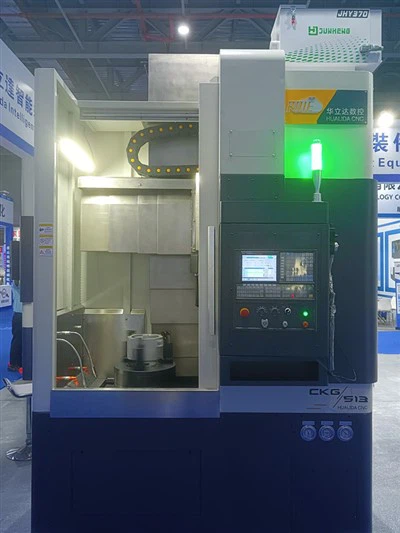
In the dynamic landscape of modern manufacturing, the pursuit of efficiency, precision, and flexibility has led to the exploration of integrating various manufacturing equipment. As a reputable supplier of CNC turning and milling machines, I am often asked whether a CNC turning and milling machine can be integrated with other manufacturing equipment. This blog post aims to delve into this topic, exploring the possibilities, benefits, challenges, and considerations associated with such integration.
Understanding CNC Turning and Milling Machines
Before discussing integration, it's essential to understand what CNC turning and milling machines are. CNC (Computer Numerical Control) technology automates the operation of machine tools, allowing for precise control of cutting tools and workpieces. A CNC turning and milling machine combines the capabilities of both turning and milling operations in a single machine. Turning involves rotating the workpiece while a cutting tool removes material to create cylindrical shapes, while milling uses rotating cutting tools to remove material from the workpiece to create complex shapes and features.
CNC turning and milling machines offer several advantages, including high precision, repeatability, and the ability to produce complex parts with minimal setup time. They are widely used in various industries, such as automotive, aerospace, medical, and electronics, to manufacture parts with tight tolerances and intricate geometries. For more information about CNC turning and milling, you can visit CNC Turning and Milling.
Possibilities of Integration
The integration of a CNC turning and milling machine with other manufacturing equipment is indeed possible and offers numerous benefits. Here are some common types of equipment that can be integrated with a CNC turning and milling machine:
1. Automated Material Handling Systems
Automated material handling systems, such as robotic arms, conveyors, and pallet changers, can be integrated with a CNC turning and milling machine to streamline the loading and unloading of workpieces. This reduces manual labor, increases productivity, and minimizes the risk of human error. For example, a robotic arm can pick up raw materials from a storage area and place them on the machine's worktable, and then remove the finished parts and transfer them to the next processing stage or storage area.
2. Inspection Equipment
Integrating inspection equipment, such as coordinate measuring machines (CMMs), optical scanners, and laser sensors, with a CNC turning and milling machine allows for in-process or post-process inspection of parts. This ensures that the parts meet the required quality standards and specifications. For instance, a CMM can be used to measure the dimensions of a machined part immediately after it is finished, and the data can be used to adjust the machining parameters if necessary.
3. Tool Management Systems
Tool management systems can be integrated with a CNC turning and milling machine to optimize tool usage, reduce tool change time, and improve tool life. These systems can automatically monitor the tool's condition, such as wear and breakage, and schedule tool changes accordingly. They can also store information about the tool's geometry, cutting parameters, and usage history, which can be used to optimize the machining process.
4. Other Machine Tools
In some cases, a CNC turning and milling machine can be integrated with other machine tools, such as grinding machines, drilling machines, and EDM (Electrical Discharge Machining) machines, to create a complete manufacturing cell. This allows for the sequential processing of parts on different machines without the need for manual intervention. For example, a part can be first turned and milled on a CNC turning and milling machine, and then transferred to a grinding machine for surface finishing.
Benefits of Integration
The integration of a CNC turning and milling machine with other manufacturing equipment offers several benefits, including:
1. Increased Productivity
By automating the material handling, inspection, and tool management processes, integration reduces the setup time, cycle time, and idle time of the machine. This leads to increased productivity and throughput, allowing manufacturers to produce more parts in less time.
2. Improved Quality
In-process or post-process inspection ensures that the parts meet the required quality standards and specifications. By detecting and correcting any errors or defects early in the manufacturing process, integration helps to improve the quality of the final products and reduce the scrap rate.
3. Enhanced Flexibility
Integration allows for the seamless transfer of workpieces between different machines and processes, enabling manufacturers to quickly adapt to changes in production requirements. This enhances the flexibility of the manufacturing system and allows for the production of a wider range of parts.
4. Reduced Labor Costs
Automation reduces the need for manual labor, which can significantly reduce labor costs. In addition, integration can also improve the working conditions of employees by eliminating repetitive and dangerous tasks.
5. Competitive Advantage
By improving productivity, quality, flexibility, and cost-effectiveness, integration provides manufacturers with a competitive advantage in the market. This allows them to offer better products at lower prices, which can help them to attract more customers and increase their market share.
Challenges and Considerations
While the integration of a CNC turning and milling machine with other manufacturing equipment offers numerous benefits, it also presents some challenges and considerations. Here are some of the key challenges and considerations that manufacturers need to address:
1. Compatibility
One of the main challenges of integration is ensuring the compatibility of different equipment and systems. Different machines may use different communication protocols, control systems, and software, which can make it difficult to integrate them seamlessly. Manufacturers need to carefully select equipment and systems that are compatible with each other and ensure that they can communicate and exchange data effectively.
2. Cost
Integration can be a significant investment, as it requires the purchase of additional equipment, software, and hardware, as well as the cost of installation, programming, and maintenance. Manufacturers need to carefully evaluate the cost-benefit ratio of integration and ensure that the investment will provide a positive return on investment.
3. Complexity
Integration can increase the complexity of the manufacturing system, as it involves the interaction of multiple machines, systems, and processes. This can make it more difficult to troubleshoot and maintain the system, and may require specialized skills and knowledge. Manufacturers need to ensure that they have the necessary resources and expertise to manage the integrated system effectively.
4. Safety
Automation and integration can introduce new safety risks, such as the risk of collisions between robots and humans, or the risk of electrical shock from the equipment. Manufacturers need to ensure that the integrated system is designed and implemented with appropriate safety measures, such as safety guards, sensors, and emergency stop buttons, to protect the safety of employees and equipment.

Conclusion
In conclusion, the integration of a CNC turning and milling machine with other manufacturing equipment is a viable option that offers numerous benefits, including increased productivity, improved quality, enhanced flexibility, reduced labor costs, and competitive advantage. However, it also presents some challenges and considerations, such as compatibility, cost, complexity, and safety. Manufacturers need to carefully evaluate the feasibility and cost-benefit ratio of integration, and ensure that they have the necessary resources and expertise to manage the integrated system effectively.
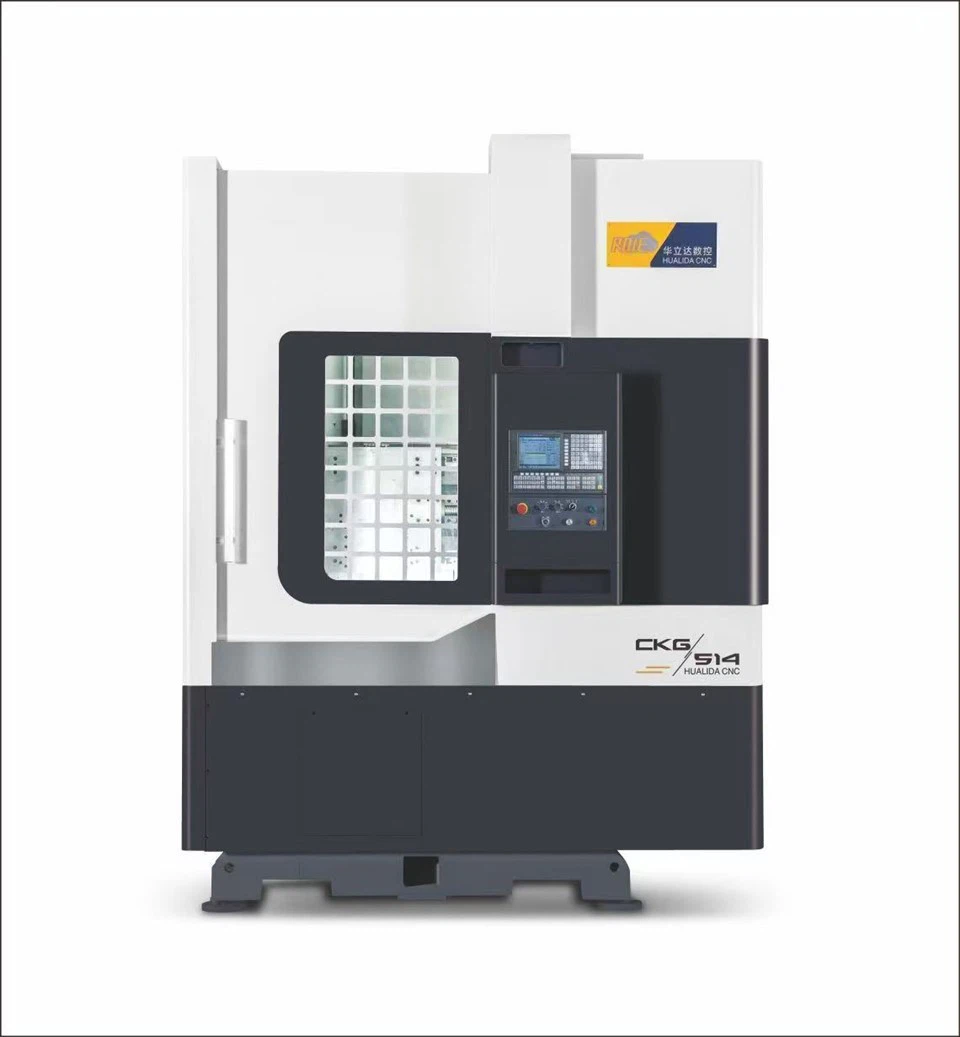
As a supplier of CNC Turning and Milling Machine Tools, we have extensive experience in integrating CNC turning and milling machines with other manufacturing equipment. We can provide you with customized solutions that meet your specific requirements and help you to achieve your manufacturing goals. If you are interested in learning more about our products and services, or if you have any questions or concerns, please feel free to contact us for a consultation. We look forward to working with you to enhance your manufacturing capabilities and competitiveness.
References
- Smith, J. (2020). CNC Machining Handbook. Industrial Press.
- Jones, A. (2019). Automation in Manufacturing: Principles and Applications. CRC Press.
- Brown, R. (2018). Quality Control in Manufacturing: Techniques and Strategies. McGraw-Hill.