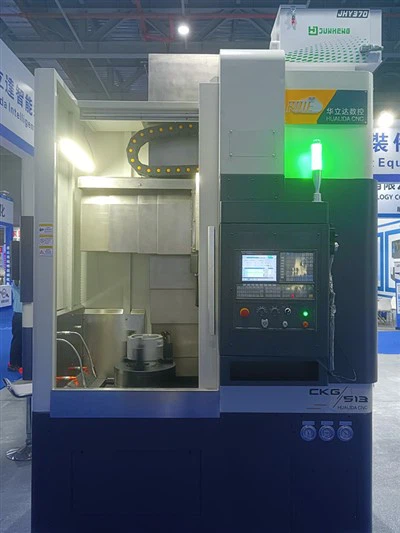
In the realm of modern manufacturing, high precision vertical lathes have emerged as indispensable tools, offering unparalleled accuracy and efficiency in machining operations. As a prominent supplier of High Precision Vertical Lathe, I often encounter inquiries regarding the capabilities of these machines, particularly their ability to perform profiling operations. In this blog post, I will delve into the intricacies of high precision vertical lathes and explore whether they can indeed execute profiling tasks with precision and finesse.
Understanding High Precision Vertical Lathes
Before we delve into the topic of profiling operations, it is essential to have a clear understanding of high precision vertical lathes and their fundamental features. A high precision vertical lathe is a specialized machining tool designed to rotate a workpiece on a vertical axis while a cutting tool removes material to shape the workpiece. These machines are renowned for their exceptional accuracy, rigidity, and stability, making them ideal for machining large, heavy, and complex workpieces with tight tolerances.
One of the key advantages of high precision vertical lathes is their ability to perform a wide range of machining operations, including turning, boring, facing, threading, and grooving. These machines are equipped with advanced control systems and cutting tools that enable operators to achieve precise and repeatable results, even when machining challenging materials such as hardened steel, titanium, and exotic alloys.
Profiling Operations: An Overview
Profiling operations involve the machining of complex shapes and contours on a workpiece. These operations require a high degree of precision and control, as the cutting tool must follow a specific path to achieve the desired shape. Profiling can be performed using a variety of machining techniques, including milling, turning, and grinding.
In the context of high precision vertical lathes, profiling operations typically involve the use of a cutting tool to remove material from the outer diameter or inner diameter of a workpiece to create a specific shape or contour. This can include the machining of curves, angles, tapers, and other complex geometries. Profiling operations can be performed on a variety of workpieces, including shafts, gears, pulleys, and other rotating components.
Can a High Precision Vertical Lathe Perform Profiling Operations?
The short answer is yes, a high precision vertical lathe can perform profiling operations. However, the ability of a vertical lathe to perform profiling tasks depends on several factors, including the machine's capabilities, the complexity of the profile, and the skill of the operator.
Machine Capabilities
The first factor to consider when determining whether a high precision vertical lathe can perform profiling operations is the machine's capabilities. Modern high precision vertical lathes are equipped with advanced control systems and cutting tools that enable them to perform a wide range of profiling tasks with precision and accuracy. These machines are typically equipped with multi-axis control systems that allow the cutting tool to move in multiple directions simultaneously, enabling the machining of complex shapes and contours.
In addition to multi-axis control systems, high precision vertical lathes are also equipped with advanced cutting tools, such as carbide inserts and diamond-coated tools, that are designed to provide high cutting speeds and long tool life. These cutting tools are capable of removing material quickly and efficiently, even when machining hard and difficult-to-machine materials.
Complexity of the Profile
The complexity of the profile is another important factor to consider when determining whether a high precision vertical lathe can perform profiling operations. Simple profiles, such as straight lines and arcs, can be easily machined using a high precision vertical lathe. However, more complex profiles, such as freeform shapes and irregular contours, may require the use of specialized programming techniques and advanced machining strategies.
In some cases, the complexity of the profile may require the use of additional equipment, such as a CNC milling machine or a wire EDM machine, to achieve the desired shape. However, with the right programming and machining techniques, a high precision vertical lathe can often perform profiling operations on complex workpieces with a high degree of accuracy and precision.
Skill of the Operator
The skill of the operator is also a critical factor in determining whether a high precision vertical lathe can perform profiling operations. Profiling operations require a high degree of skill and expertise, as the operator must be able to program the machine correctly, select the appropriate cutting tools, and set up the workpiece properly.
In addition to technical skills, the operator must also have a good understanding of the machining process and the properties of the materials being machined. This knowledge is essential for ensuring that the profiling operations are performed safely and efficiently, and that the final product meets the required specifications.
Advantages of Using a High Precision Vertical Lathe for Profiling Operations
There are several advantages to using a high precision vertical lathe for profiling operations. These advantages include:
High Precision
High precision vertical lathes are designed to provide exceptional accuracy and precision, making them ideal for machining complex profiles with tight tolerances. These machines are equipped with advanced control systems and cutting tools that enable operators to achieve precise and repeatable results, even when machining challenging materials.
Versatility
High precision vertical lathes are versatile machines that can perform a wide range of machining operations, including profiling. These machines can be used to machine a variety of workpieces, including shafts, gears, pulleys, and other rotating components. This versatility makes high precision vertical lathes a valuable asset in any manufacturing facility.
Efficiency
High precision vertical lathes are designed to provide high cutting speeds and long tool life, making them efficient machines for profiling operations. These machines can remove material quickly and efficiently, reducing machining time and increasing productivity. In addition, the advanced control systems and cutting tools used in high precision vertical lathes enable operators to optimize the machining process, further improving efficiency and reducing costs.
Case Studies: Profiling Operations Using High Precision Vertical Lathes
To illustrate the capabilities of high precision vertical lathes for profiling operations, let's take a look at a few case studies.
Case Study 1: Machining a Complex Gear Profile
A manufacturing company needed to machine a complex gear profile on a large workpiece. The gear profile had a number of curves and angles that required a high degree of precision and accuracy. The company decided to use a high precision vertical lathe to perform the profiling operations.
The operator programmed the vertical lathe using advanced CAD/CAM software to generate the tool path for the gear profile. The cutting tool was selected based on the material being machined and the requirements of the profile. The operator then set up the workpiece on the vertical lathe and performed the profiling operations.
The high precision vertical lathe was able to machine the complex gear profile with a high degree of accuracy and precision. The final product met the required specifications, and the company was able to reduce machining time and increase productivity by using the vertical lathe.
Case Study 2: Machining a Tapered Shaft
A machining shop needed to machine a tapered shaft with a specific angle and taper. The shaft was made of hardened steel, which required a high degree of precision and control during the machining process. The shop decided to use a high precision vertical lathe to perform the profiling operations.
The operator programmed the vertical lathe to machine the tapered shaft using a combination of turning and boring operations. The cutting tool was selected based on the material being machined and the requirements of the taper. The operator then set up the workpiece on the vertical lathe and performed the profiling operations.
The high precision vertical lathe was able to machine the tapered shaft with a high degree of accuracy and precision. The final product met the required specifications, and the shop was able to achieve a high level of quality and consistency in the machining process.
Conclusion
In conclusion, a high precision vertical lathe can perform profiling operations with a high degree of accuracy and precision. These machines are equipped with advanced control systems and cutting tools that enable operators to achieve precise and repeatable results, even when machining complex shapes and contours. However, the ability of a vertical lathe to perform profiling tasks depends on several factors, including the machine's capabilities, the complexity of the profile, and the skill of the operator.
If you are considering using a high precision vertical lathe for profiling operations, it is important to choose a machine that is capable of meeting your specific requirements. You should also work with a skilled and experienced operator who has a good understanding of the machining process and the properties of the materials being machined.
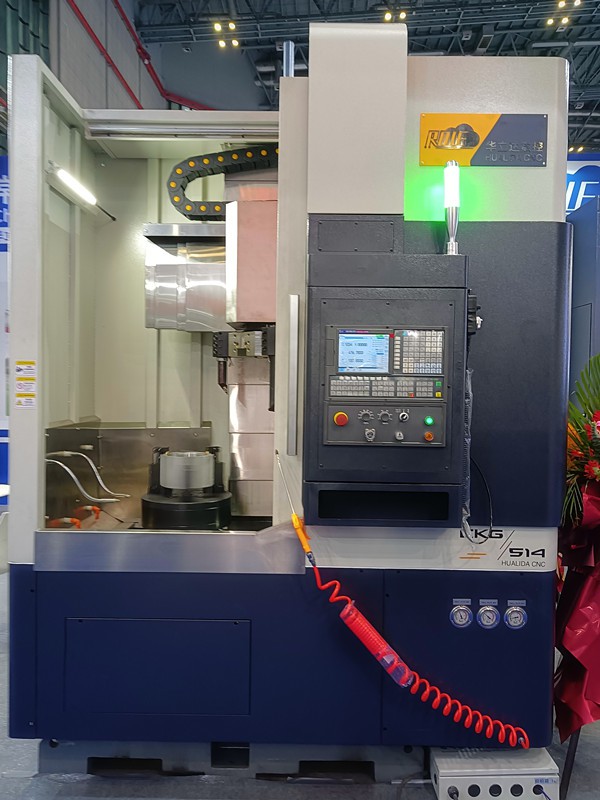

As a supplier of High Precision Vertical Lathe, we are committed to providing our customers with the highest quality machines and the best possible service. If you have any questions or would like to learn more about our products, please do not hesitate to contact us. We would be happy to discuss your specific needs and help you find the right solution for your manufacturing requirements.
References
- Smith, J. (2019). Advanced Machining Techniques. New York: McGraw-Hill.
- Jones, A. (2020). CNC Machining Handbook. London: Elsevier.
- Brown, R. (2021). Precision Manufacturing Technologies. Chicago: Wiley.