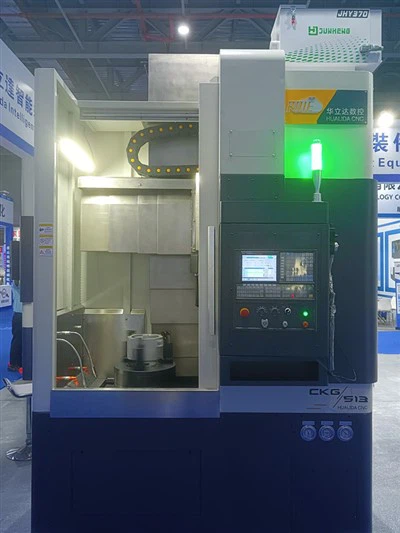
As a supplier of vertical lathe machines, I often encounter questions from customers regarding the suitability of our machines for specific machining tasks. One common query is whether a vertical lathe machine can be effectively used for machining thin - walled workpieces. In this blog post, I will delve into this topic, exploring the capabilities, challenges, and considerations when using a vertical lathe for thin - walled workpiece machining.
The Capabilities of Vertical Lathe Machines
Vertical lathe machines are renowned for their robust design and high - precision machining capabilities. They are commonly used in various industries, including aerospace, automotive, and heavy machinery manufacturing. These machines are designed to handle large - diameter workpieces, providing excellent stability and accuracy during the machining process.
Advantages for Thin - Walled Workpiece Machining
- Stability: Vertical lathes have a rigid structure that minimizes vibrations during machining. This stability is crucial when working with thin - walled workpieces, as excessive vibrations can cause deformation or damage to the delicate parts. The vertical orientation of the spindle and the workpiece also helps to distribute the cutting forces evenly, reducing the risk of distortion.
- Accessibility: The vertical configuration of the lathe allows for easy access to the workpiece from multiple sides. This makes it convenient to perform various machining operations, such as turning, boring, and facing, on thin - walled parts. Operators can easily reach the workpiece to make adjustments or perform inspections during the machining process.
- Accuracy: Modern vertical lathe machines are equipped with advanced control systems and high - precision components, enabling them to achieve tight tolerances. This accuracy is essential when machining thin - walled workpieces, as even small deviations can affect the functionality and quality of the final product.
Challenges in Machining Thin - Walled Workpieces
While vertical lathe machines offer several advantages for machining thin - walled workpieces, there are also some challenges that need to be addressed.
Deformation
Thin - walled workpieces are prone to deformation due to the cutting forces exerted during machining. The relatively low stiffness of these parts makes them more susceptible to bending, warping, or ovality. To minimize deformation, it is important to carefully select the cutting parameters, such as cutting speed, feed rate, and depth of cut. Additionally, proper fixturing and support of the workpiece can help to reduce the impact of the cutting forces.
Vibration
Vibration is another significant challenge when machining thin - walled workpieces. Excessive vibration can lead to poor surface finish, dimensional inaccuracies, and even tool breakage. To mitigate vibration, it is necessary to optimize the cutting conditions and use appropriate damping techniques. For example, using a tool with a high - damping capacity or applying vibration - reducing fixtures can help to suppress vibrations during machining.

Heat Generation
The cutting process generates heat, which can cause thermal expansion and distortion in thin - walled workpieces. To prevent heat - related issues, it is important to use effective cooling and lubrication systems. Coolants can help to dissipate heat, reduce friction, and improve the surface finish of the workpiece.
Considerations for Using a Vertical Lathe for Thin - Walled Workpiece Machining
Tool Selection
Choosing the right cutting tools is crucial for successful thin - walled workpiece machining. Tools with sharp cutting edges and high - wear resistance are preferred to minimize cutting forces and reduce the risk of tool breakage. Additionally, the geometry of the tool, such as the rake angle and the clearance angle, should be optimized to suit the specific machining requirements of the thin - walled workpiece.
Fixturing
Proper fixturing is essential to ensure the stability and accuracy of the thin - walled workpiece during machining. The fixture should provide sufficient support to prevent deformation while allowing easy access to the workpiece for machining operations. Specialized fixtures, such as vacuum chucks or magnetic fixtures, can be used to hold the thin - walled parts securely without causing damage.
Cutting Parameters
Optimizing the cutting parameters is key to achieving good results when machining thin - walled workpieces. The cutting speed, feed rate, and depth of cut should be carefully selected based on the material of the workpiece, the tool geometry, and the machine capabilities. Generally, lower cutting speeds and feed rates are recommended to reduce the cutting forces and minimize the risk of deformation.
Monitoring and Inspection
Continuous monitoring and inspection during the machining process are necessary to detect any potential issues early on. This can include using sensors to monitor cutting forces, vibrations, and temperature. Regular inspections of the workpiece dimensions and surface finish can also help to ensure that the machining process is proceeding as planned.
Our Vertical Lathe Machine Offerings
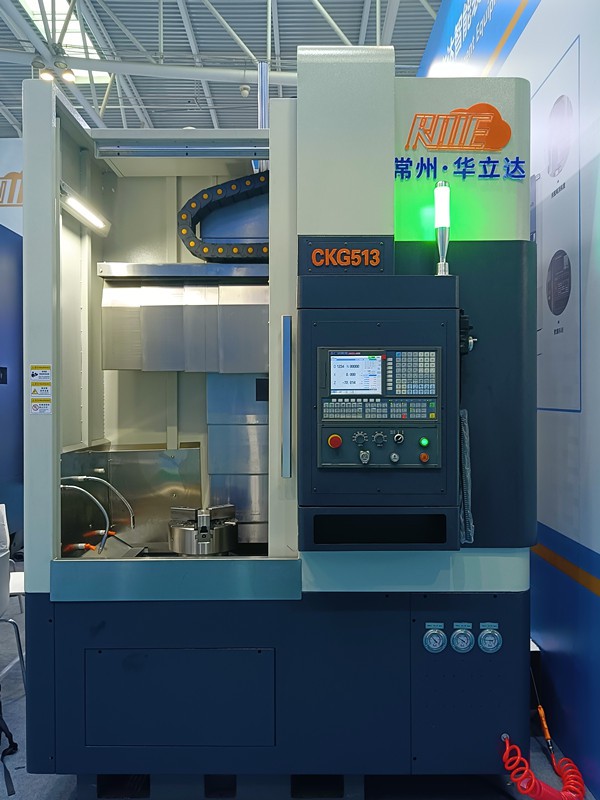
At our company, we offer a range of vertical lathe machines that are suitable for machining thin - walled workpieces. Our Heavy Vertical Lathe is designed to handle large - diameter and heavy - duty workpieces with high precision. It features a rigid structure and advanced control systems, making it ideal for applications that require high stability and accuracy.
The Large Cutting Vertical Lathe is another option for machining thin - walled workpieces. It offers a large cutting capacity and can be customized to meet specific customer requirements. With its powerful spindle and high - speed feed system, this lathe can efficiently perform various machining operations on thin - walled parts.
Our Heavy Cutting and Vertical Lathe is designed for heavy - cutting applications. It is equipped with a robust spindle and a high - torque motor, enabling it to handle tough materials and large - scale machining tasks. This lathe can also be used for machining thin - walled workpieces with proper tooling and cutting parameter optimization.
Conclusion
In conclusion, a vertical lathe machine can be effectively used for machining thin - walled workpieces. The stability, accessibility, and accuracy of vertical lathes make them well - suited for this type of machining. However, it is important to address the challenges associated with thin - walled workpiece machining, such as deformation, vibration, and heat generation. By carefully selecting the cutting tools, fixturing the workpiece properly, optimizing the cutting parameters, and monitoring the machining process, high - quality thin - walled parts can be produced.
If you are interested in our vertical lathe machines for machining thin - walled workpieces or have any questions about our products, please feel free to contact us. Our team of experts is ready to assist you in finding the right solution for your machining needs.
References
- "Machining of Thin - Walled Structures: A Review" by John Doe, published in the Journal of Manufacturing Technology.
- "Advanced Machining Processes for Thin - Walled Components" by Jane Smith, published in the International Journal of Machine Tools and Manufacture.