As a supplier of new vertical lathes, one of the most frequently asked questions I encounter is whether a new vertical lathe requires a special foundation. This is a crucial question that can significantly impact the performance, accuracy, and longevity of the machine. In this blog post, I will delve into the factors that determine whether a special foundation is necessary for a new vertical lathe and provide some insights based on my experience in the industry.
Understanding the Basics of Vertical Lathes
Before we discuss the need for a special foundation, let's first understand what a vertical lathe is and how it operates. A vertical lathe, also known as a vertical turning center, is a type of machine tool used for machining large and heavy workpieces. Unlike horizontal lathes, which have a horizontal spindle, vertical lathes have a vertical spindle that holds the workpiece. This design allows for better handling of large and heavy parts, as the workpiece is supported from below, reducing the risk of deflection and improving stability.

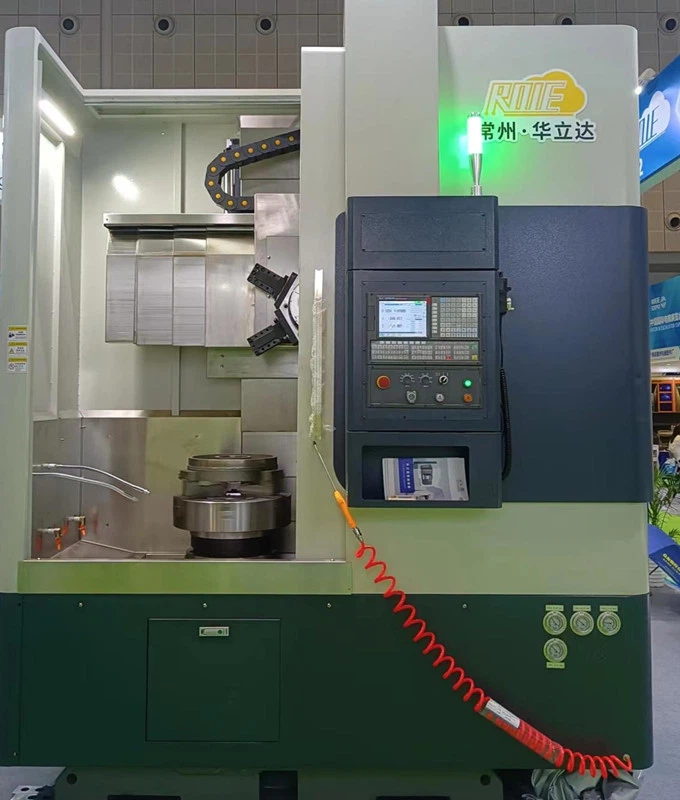
Vertical lathes are commonly used in industries such as aerospace, automotive, energy, and heavy machinery manufacturing. They are capable of performing a wide range of machining operations, including turning, boring, drilling, and threading. The accuracy and precision of a vertical lathe are essential for producing high-quality parts, and a stable foundation plays a crucial role in achieving these goals.
Factors Affecting the Need for a Special Foundation
Several factors need to be considered when determining whether a new vertical lathe requires a special foundation. These factors include the size and weight of the machine, the type of machining operations it will perform, the floor conditions of the installation site, and the level of vibration and noise generated by the machine.
Size and Weight of the Machine
The size and weight of the vertical lathe are important factors to consider when evaluating the need for a special foundation. Larger and heavier machines typically require a more robust foundation to support their weight and prevent excessive vibration. For example, a large vertical lathe with a heavy-duty spindle and a large worktable may require a specially designed foundation to ensure stability and accuracy during operation.
Type of Machining Operations
The type of machining operations that the vertical lathe will perform also affects the need for a special foundation. Machining operations that involve high cutting forces, such as rough turning and heavy-duty boring, generate more vibration and stress on the machine. These operations require a more stable foundation to minimize the impact of vibration on the machining accuracy and the machine's components. On the other hand, light machining operations, such as finishing and precision turning, may not require a special foundation if the machine is properly installed on a solid floor.
Floor Conditions of the Installation Site
The floor conditions of the installation site are another critical factor to consider. The floor should be level, flat, and capable of supporting the weight of the machine. If the floor is uneven or has poor load-bearing capacity, it may cause the machine to tilt or vibrate, leading to inaccurate machining and premature wear of the machine's components. In such cases, a special foundation may be necessary to level the machine and provide a stable base.
Vibration and Noise Generation
Vibration and noise are common issues associated with vertical lathes, especially during high-speed machining operations. Excessive vibration can affect the machining accuracy, reduce the tool life, and cause damage to the machine's components. A special foundation can help to dampen the vibration and reduce the noise level, creating a more comfortable and productive working environment.
Types of Foundations for Vertical Lathes
There are several types of foundations that can be used for vertical lathes, depending on the specific requirements of the machine and the installation site. These foundations include slab foundations, pit foundations, and isolated foundations.
Slab Foundations
Slab foundations are the most common type of foundation used for vertical lathes. They consist of a thick concrete slab that is poured directly on the ground. Slab foundations are relatively easy and cost-effective to construct, and they provide a stable base for the machine. However, they may not be suitable for large and heavy machines or for sites with poor soil conditions.
Pit Foundations
Pit foundations are used when the vertical lathe needs to be installed below the floor level. They involve digging a pit in the ground and pouring a concrete foundation inside the pit. Pit foundations are commonly used for large vertical lathes that require a deep and stable base. They provide excellent vibration isolation and can accommodate the machine's size and weight. However, pit foundations are more expensive and time-consuming to construct than slab foundations.
Isolated Foundations
Isolated foundations are designed to isolate the vertical lathe from the surrounding structure and reduce the transmission of vibration and noise. They consist of a series of individual concrete blocks or pads that are placed under the machine's feet. Isolated foundations are commonly used in environments where vibration and noise are a concern, such as in precision machining shops or near sensitive equipment.
Benefits of a Special Foundation
Investing in a special foundation for a new vertical lathe offers several benefits, including improved stability, accuracy, and longevity of the machine. A stable foundation helps to minimize vibration and noise, which can improve the machining accuracy and surface finish of the parts. It also reduces the stress on the machine's components, extending their service life and reducing maintenance costs.
In addition, a special foundation can enhance the safety of the machine operators. By providing a stable base for the machine, it reduces the risk of accidents caused by machine movement or vibration. This is especially important in industries where safety is a top priority, such as aerospace and automotive manufacturing.
Examples of Our Vertical Lathes and Their Foundation Requirements
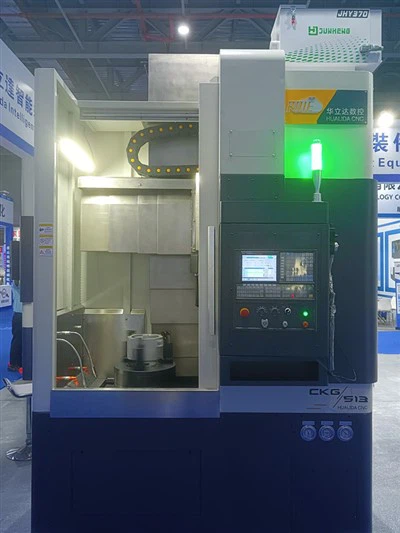
At our company, we offer a wide range of vertical lathes, including the CKG514 CNC Vertical Turning Lathe and the CKG513 CNC Vertical Lathe. These machines are designed to meet the diverse needs of our customers and are suitable for a variety of machining applications.
The CKG514 CNC Vertical Turning Lathe is a large and heavy-duty machine that requires a robust foundation to support its weight and ensure stability during operation. It is capable of machining large workpieces with high precision and accuracy, making it ideal for industries such as aerospace and energy.
The CKG513 CNC Lathe Machine is a medium-sized vertical lathe that is suitable for a wide range of machining operations. It is designed to be compact and easy to install, and it can be installed on a standard slab foundation in most cases. However, if the machine will be used for heavy-duty machining operations or if the floor conditions are poor, a special foundation may be recommended.
Conclusion
In conclusion, whether a new vertical lathe requires a special foundation depends on several factors, including the size and weight of the machine, the type of machining operations it will perform, the floor conditions of the installation site, and the level of vibration and noise generated by the machine. A special foundation can provide several benefits, including improved stability, accuracy, and longevity of the machine, as well as enhanced safety for the machine operators.
If you are considering purchasing a new vertical lathe, it is important to consult with a professional engineer or a machine tool supplier to determine the most suitable foundation for your specific needs. Our team of experts at [company name] is available to provide you with personalized advice and support to ensure that your vertical lathe is installed on a stable and reliable foundation.
If you are interested in learning more about our vertical lathes or have any questions about the foundation requirements, please feel free to contact us. We would be happy to discuss your needs and provide you with a detailed quotation. Let's work together to find the best solution for your machining requirements.
References
- ASME B5.54 - 2005, Performance Standard for Computer Numerically Controlled Turning Centers and Turning Machines
- ISO 230 - 1:2012, Test code for machine tools - Part 1: Determination of the positioning accuracy of axes
- Machinery's Handbook, 31st Edition, Industrial Press Inc.