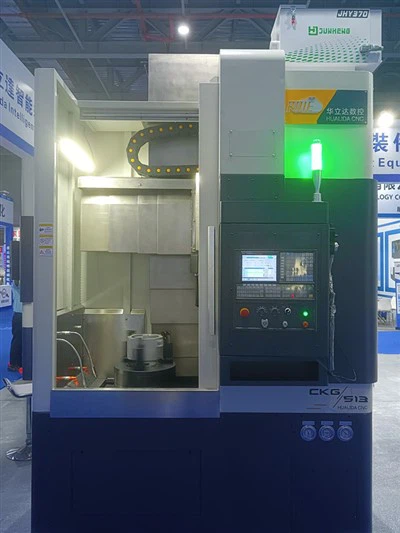
Hey there! As a supplier of CNC turning and milling machines, I'm super excited to share with you how these amazing pieces of equipment work. CNC, which stands for Computer Numerical Control, has revolutionized the manufacturing industry. So, let's dive right in and explore the ins and outs of how a CNC turning and milling machine operates.
The Basics of CNC Technology
First things first, let's talk about what makes CNC so special. In a traditional machining setup, an operator has to manually control the tools to shape the workpiece. But with CNC, it's all about programming. We use a computer to send precise instructions to the machine, telling it exactly what to do and how to do it. This means we can achieve a level of accuracy and repeatability that's just not possible with manual machining.
Understanding CNC Turning
Let's start with CNC turning. Picture a workpiece being held firmly in place by a chuck. The chuck rotates the workpiece at a high speed. Meanwhile, a cutting tool is moved along the workpiece to remove material and create the desired shape. It's like a potter shaping clay on a potter's wheel, but instead of clay, we're working with metal, plastic, or other materials.
The cutting tool in a CNC turning machine can move in different directions. It can move along the length of the workpiece (longitudinal movement) or across it (cross - feed movement). This allows us to create all sorts of features on the workpiece, like cylindrical shapes, tapers, and grooves.
For example, if we want to make a shaft with a specific diameter and length, we'll program the machine to move the cutting tool in a way that removes the right amount of material from the workpiece. The machine will follow the programmed path precisely, ensuring that each shaft we produce is identical to the others. You can learn more about CNC Turning and Milling on our website.
How CNC Milling Works
Now, let's move on to CNC milling. Unlike turning, where the workpiece rotates, in milling, the cutting tool rotates while the workpiece is held stationary or moved in different directions. The cutting tool has multiple cutting edges, which allows it to remove material quickly and efficiently.
There are different types of milling operations. Face milling is used to create a flat surface on the top of the workpiece. End milling can be used to create slots, pockets, and other complex features. The machine can move the cutting tool in three dimensions (X, Y, and Z axes), which gives us a lot of flexibility in creating different shapes.
Let's say we want to make a part with a series of holes and slots. We'll program the machine to move the cutting tool to the right positions and depths to drill the holes and mill the slots. The machine will then execute the program, and in no time, we'll have a perfectly machined part. Check out our CNC Turning and Milling Machine Tools for more details on the tools used in these processes.
The Programming Process
The heart of a CNC turning and milling machine is its programming. We use a special language called G - code to write the programs. G - code is a set of instructions that tells the machine how to move the cutting tool, at what speed, and how much material to remove.
To write a G - code program, we first need to have a detailed design of the part we want to make. We can use computer - aided design (CAD) software to create the design. Once the design is ready, we use computer - aided manufacturing (CAM) software to generate the G - code program based on the design.
The CAM software takes into account all the factors, like the type of material, the cutting tool, and the desired finish. It then generates a set of instructions that the CNC machine can understand. We can then transfer the program to the machine, and it will start working on the workpiece.
The Role of Sensors and Feedback Systems
Modern CNC turning and milling machines are equipped with sensors and feedback systems. These sensors monitor various parameters during the machining process, such as the temperature of the cutting tool, the force applied to the workpiece, and the position of the cutting tool.
If something goes wrong during the machining process, like the cutting tool wearing out or the workpiece moving out of position, the sensors will detect it and send a signal to the control system. The control system can then adjust the machining parameters or stop the machine to prevent damage.
For example, if the cutting tool starts to overheat, the sensor will detect the high temperature and tell the machine to reduce the cutting speed or increase the coolant flow. This helps to ensure the quality of the machined parts and the longevity of the cutting tools.
Maintenance and Upkeep
Like any other piece of equipment, CNC turning and milling machines need regular maintenance. We need to keep the machine clean, lubricate the moving parts, and check the cutting tools regularly.
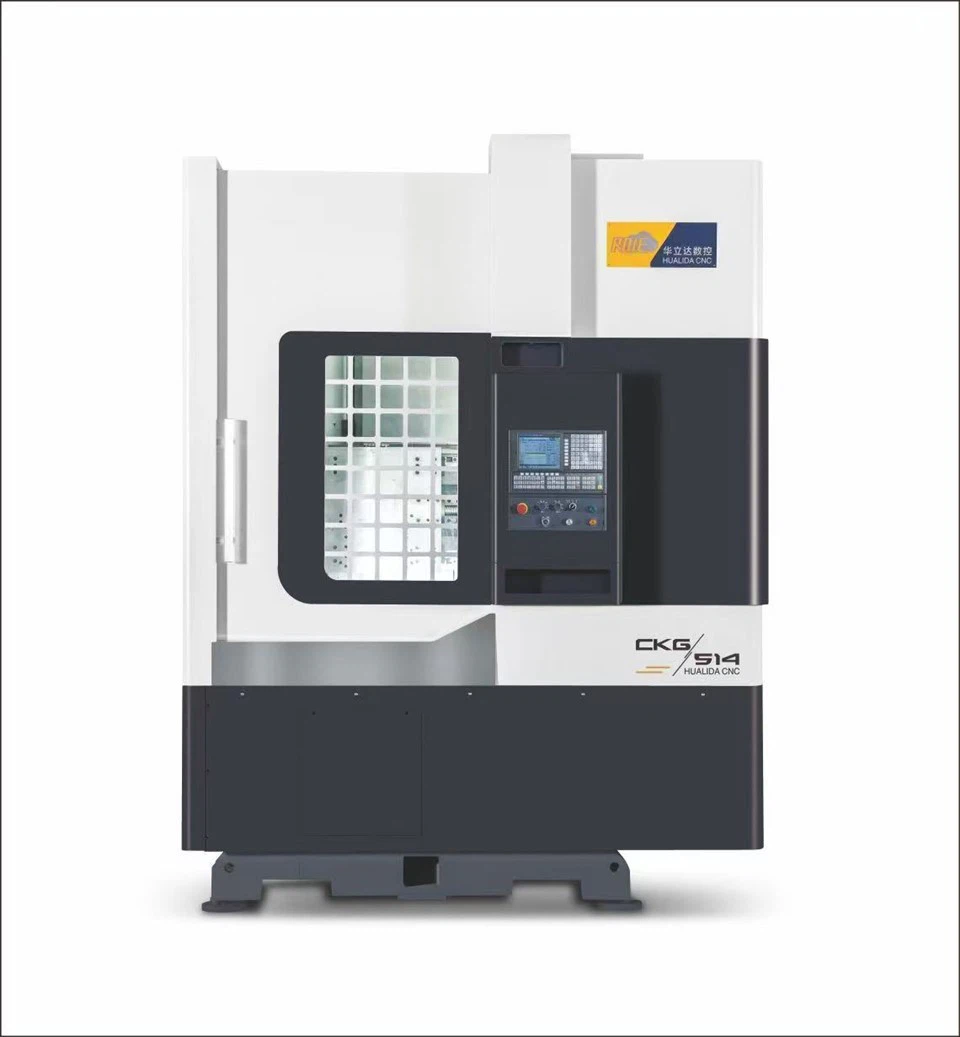

We also need to update the machine's software and firmware to ensure that it can take advantage of the latest features and improvements. Regular maintenance not only extends the life of the machine but also ensures that it continues to produce high - quality parts.
Applications of CNC Turning and Milling Machines
CNC turning and milling machines are used in a wide range of industries. In the automotive industry, they're used to make engine parts, transmission components, and brake parts. In the aerospace industry, they're used to make parts for airplanes and satellites. They're also used in the medical industry to make surgical instruments and implants.
The versatility of these machines makes them an essential tool in modern manufacturing. Whether you're making small, precision parts or large, complex components, a CNC turning and milling machine can get the job done. You can learn more about our CNC Lathe and Milling Machine and its applications on our website.
Why Choose Our CNC Turning and Milling Machines
As a supplier, we take pride in offering high - quality CNC turning and milling machines. Our machines are built with the latest technology and are designed to be reliable and easy to use. We also offer excellent customer support, including training and after - sales service.
If you're in the market for a CNC turning and milling machine, we'd love to hear from you. Whether you're a small workshop or a large manufacturing company, we can provide you with the right machine to meet your needs. Contact us today to start a discussion about your requirements and see how our machines can benefit your business.
References
- "CNC Machining Handbook"
- "Introduction to Computer - Aided Manufacturing"
- Industry publications on CNC technology