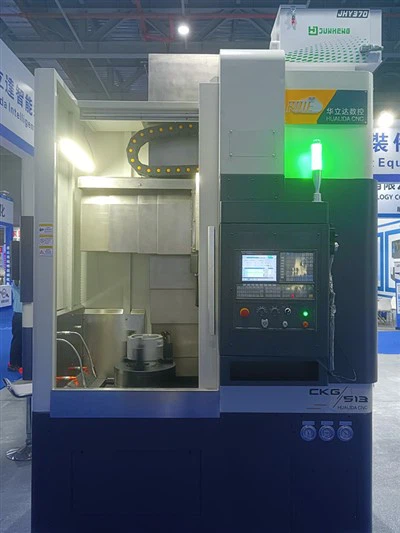
In the realm of modern manufacturing, precision is paramount. The CKG514 CNC Vertical Lathe stands as a remarkable piece of equipment, designed to meet the high - precision machining needs of various industries. One of the crucial functions that contribute to its precision is tool length compensation. In this blog, as a supplier of the CKG514 CNC Vertical Lathe, I will delve into how this machine performs tool length compensation.
Understanding the Importance of Tool Length Compensation
Before we explore the compensation process, it's essential to understand why tool length compensation is necessary. In CNC machining, different tools have different lengths. Even the same type of tool may have slight variations in length due to manufacturing tolerances or wear and tear during use. These length differences can lead to errors in machining, such as incorrect cutting depths or uneven surfaces. Tool length compensation allows the CNC system to adjust the position of the tool relative to the workpiece, ensuring that the machining operations are carried out with the desired precision.
The Basics of Tool Length Compensation in the CKG514 CNC Vertical Lathe
The CKG514 CNC Vertical Lathe uses a sophisticated control system to manage tool length compensation. There are generally two main types of tool length compensation: positive compensation and negative compensation. Positive compensation is used when the actual tool length is longer than the programmed tool length, while negative compensation is applied when the actual tool length is shorter.
The first step in the tool length compensation process is to measure the actual length of the tool. This can be done using a tool presetter, which is a device specifically designed to accurately measure the dimensions of cutting tools. Once the actual tool length is obtained, the operator needs to enter this value into the CNC control system of the CKG514 CNC Vertical Lathe.
The CNC control system stores the tool length data in its memory. When the machine starts a machining operation, it retrieves the tool length information and adjusts the Z - axis movement of the tool accordingly. For example, if the programmed depth of cut is 5 mm and the tool is 0.2 mm longer than the programmed length, the control system will automatically adjust the Z - axis movement so that the tool only cuts to a depth of 4.8 mm, effectively compensating for the extra length of the tool.
The Manual Method of Tool Length Compensation
In some cases, especially during the initial setup or when dealing with simple machining tasks, operators may choose to perform tool length compensation manually. Here's how it works on the CKG514 CNC Vertical Lathe:
- Tool Setup: First, mount the tool on the tool holder of the lathe. Make sure the tool is securely fastened to avoid any movement during machining.
- Reference Point Establishment: Select a reference point on the workpiece. This can be a specific surface or a pre - drilled hole. The reference point serves as a starting point for the tool length measurement.
- Tool Approach: Use the manual control buttons on the CNC control panel to move the tool towards the reference point on the workpiece. Slowly bring the tool into contact with the reference point. This requires careful operation to ensure accurate contact.
- Measurement and Input: Once the tool touches the reference point, record the current position of the Z - axis on the CNC control system. Compare this value with the programmed tool length. Calculate the difference between the actual and programmed lengths, and then enter this compensation value into the tool length compensation parameter in the control system.
The Automatic Method of Tool Length Compensation
The CKG514 CNC Vertical Lathe also offers an automatic tool length compensation function, which is more efficient and accurate, especially for complex machining operations with multiple tools.
- Tool Presetter Integration: The machine can be integrated with a tool presetter. The tool presetter measures the tool length offline and then transfers the measurement data to the CNC control system of the CKG514 via a data interface, such as an Ethernet connection or a USB port.
- In - Machine Probing: Some CKG514 models are equipped with an in - machine probing system. The probing system can automatically measure the length of the tool when it is mounted on the lathe. The probe moves towards the tool tip and records the position data. The control system then calculates the tool length compensation value based on this data and updates the compensation parameters automatically.
Advantages of Tool Length Compensation in the CKG514 CNC Vertical Lathe
- Improved Precision: By compensating for tool length variations, the CKG514 can achieve higher machining precision. This is crucial for industries that require tight tolerances, such as aerospace and automotive manufacturing.
- Reduced Scrap Rate: Accurate tool length compensation helps to minimize machining errors, which in turn reduces the scrap rate. This saves both time and materials, improving the overall efficiency of the manufacturing process.
- Enhanced Tool Life: When the tool is used with the correct cutting parameters due to proper tool length compensation, it experiences less wear and tear. This extends the tool life and reduces the frequency of tool replacement.
Related Products in Our Portfolio
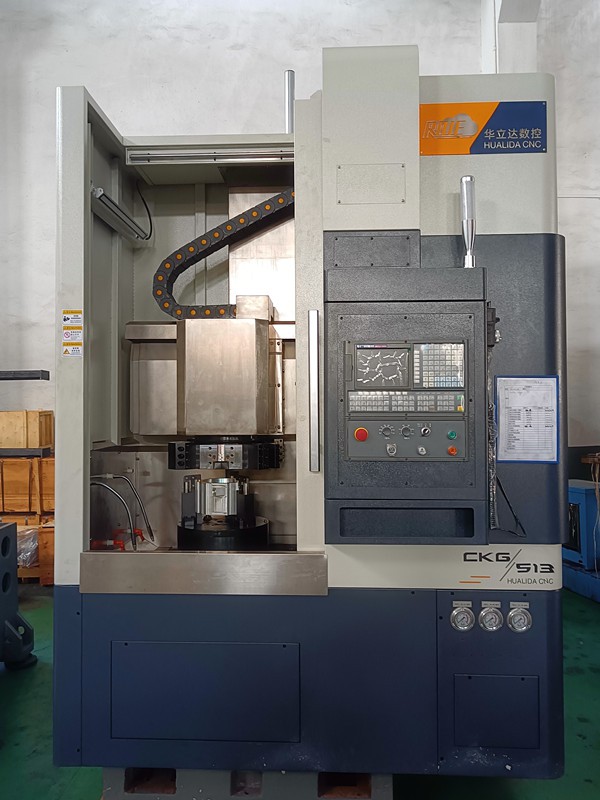
In addition to the CKG514 CNC Vertical Lathe, we also offer other high - quality CNC vertical lathes, such as the CKG5110 CNC Vertical Lathe and the CKG515 CNC Vertical Turning Lathe. These machines also feature advanced tool length compensation functions, providing our customers with a wide range of options to meet their different machining needs.

Conclusion and Call to Action
The tool length compensation function of the CKG514 CNC Vertical Lathe is a key feature that ensures high - precision machining. Whether you choose the manual or automatic method, the machine provides reliable and accurate compensation capabilities. If you are in the market for a CNC vertical lathe that offers excellent tool length compensation and other advanced features, we invite you to contact us for more information. Our team of experts is ready to assist you in selecting the right machine for your specific manufacturing requirements.
References
- “CNC Machining Handbook”, McGraw - Hill Professional
- “Tooling and Machining Fundamentals”, Society of Manufacturing Engineers