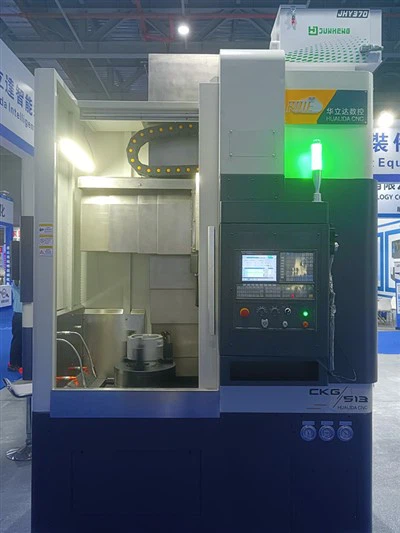
Hey there! As a supplier of the CKG5110 CNC Vertical Lathe, I often get asked about how to adjust the cutting speed of this machine. It's a crucial aspect of getting the best performance out of your lathe, so I'm gonna break it down for you in this blog.
Why Adjusting Cutting Speed Matters
First off, let's talk about why adjusting the cutting speed is so important. The cutting speed directly affects the quality of the machining, the tool life, and the overall efficiency of the process. If the cutting speed is too high, the tool can wear out quickly, and you might end up with a poor surface finish on the workpiece. On the other hand, if the speed is too low, it'll take forever to complete the job, and you're not making the most of your machine's capabilities.
Factors Affecting Cutting Speed
Before we dive into how to adjust the cutting speed, we need to understand the factors that influence it. There are several key factors to consider:
Workpiece Material
Different materials have different properties, and they require different cutting speeds. For example, softer materials like aluminum can generally tolerate higher cutting speeds compared to harder materials like steel. When you're working with a new material, it's a good idea to do some research or consult the material's manufacturer for recommended cutting speeds.


Tool Material
Just like the workpiece material, the tool material also plays a big role in determining the cutting speed. Tools made from high-speed steel (HSS) have different speed capabilities compared to carbide tools. Carbide tools are generally more heat-resistant and can handle higher cutting speeds, which means you can get the job done faster.
Tool Geometry
The shape and design of the cutting tool can affect the cutting speed as well. Tools with a larger rake angle, for instance, can often cut at higher speeds because they reduce the cutting force. The number of cutting edges also matters. Tools with more cutting edges can sometimes handle higher speeds because the load is distributed more evenly.
Depth of Cut
The depth of cut refers to how much material is being removed in each pass. A larger depth of cut usually requires a lower cutting speed to prevent excessive tool wear and to maintain a good surface finish. Conversely, a smaller depth of cut allows for higher cutting speeds.
How to Adjust the Cutting Speed on the CKG5110 CNC Vertical Lathe
Now that we know what factors affect the cutting speed, let's talk about how to actually adjust it on the CKG5110.
Step 1: Determine the Recommended Cutting Speed
Based on the factors we discussed earlier, you need to figure out the recommended cutting speed for your specific job. You can use cutting speed charts, which are widely available online or in machining handbooks. These charts provide general guidelines for different combinations of workpiece materials, tool materials, and cutting conditions.
Step 2: Access the Control Panel
On the CKG5110, you'll find the control panel where you can make adjustments to the cutting speed. It's usually located in a convenient spot near the operator's station. The control panel has a user-friendly interface that allows you to input and modify various parameters, including the cutting speed.
Step 3: Input the Desired Cutting Speed
Once you've determined the recommended cutting speed, use the keypad or touchscreen on the control panel to enter the value. Make sure to double-check the input to avoid any errors. Some models of the CKG5110 may also allow you to select pre-programmed cutting speed settings if you frequently work on similar jobs.
Step 4: Monitor and Fine-Tune
After you've set the cutting speed and started the machining process, it's important to monitor the operation closely. Pay attention to the tool wear, the surface finish of the workpiece, and the overall performance of the machine. If you notice any issues, such as excessive tool wear or a poor surface finish, you may need to fine-tune the cutting speed. You can do this by making small adjustments to the speed on the control panel and observing the results.
Tips for Optimal Cutting Speed Adjustment
Here are some additional tips to help you get the most out of adjusting the cutting speed on the CKG5110:
Start Slow and Gradually Increase
When you're working with a new material or tool, it's always a good idea to start with a lower cutting speed and gradually increase it as you observe the performance. This way, you can avoid damaging the tool or the workpiece right off the bat.
Keep an Eye on the Temperature
High cutting speeds can generate a lot of heat, which can affect the tool life and the quality of the workpiece. Use a temperature sensor or simply touch the tool (carefully!) to check if it's getting too hot. If the temperature is rising too quickly, you may need to reduce the cutting speed.
Conduct Test Cuts
Before starting a large production run, it's a good idea to do some test cuts on a scrap piece of the same material. This allows you to fine-tune the cutting speed and other parameters to ensure that you're getting the best results.
Other Related CNC Vertical Lathes
If you're interested in exploring other options in the CNC vertical lathe market, we also offer the CKG513 CNC Vertical Lathe and the CKG515 CNC Vertical Turning Lathe. These machines have their own unique features and capabilities, and they might be a better fit for your specific needs. And if you're looking for something brand new, check out our New Vertical Lathe.
Conclusion
Adjusting the cutting speed of the CKG5110 CNC Vertical Lathe is a critical skill that can significantly improve the performance and efficiency of your machining operations. By understanding the factors that affect cutting speed and following the steps outlined in this blog, you'll be well on your way to getting the most out of your lathe.
If you have any questions or if you're interested in purchasing a CKG5110 or any of our other CNC vertical lathes, don't hesitate to reach out. We're here to help you find the right machine for your needs and to provide you with all the support you need to get the job done right.
References
- Machining Handbook, various editions
- Online cutting speed calculators and charts from reputable machining websites