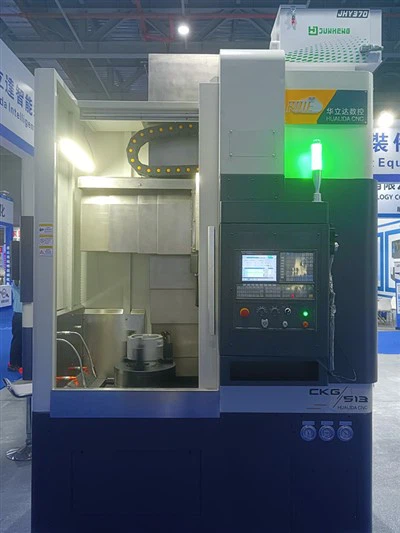
As a supplier of CNC turning and milling machines, I understand the critical importance of efficiency in modern manufacturing. In today's competitive market, maximizing the productivity of these machines can significantly impact a company's bottom line. This blog post aims to share some practical strategies and insights on how to improve the efficiency of a CNC turning and milling machine.
1. Machine Selection and Configuration
The first step in improving efficiency starts with choosing the right CNC turning and milling machine for your specific needs. When selecting a machine, consider factors such as the size and complexity of the parts you will be machining, the required precision, and the production volume. CNC Lathe and Milling Machine offers a wide range of machines with different specifications to meet various manufacturing requirements.
Proper machine configuration is also crucial. Ensure that the machine is set up correctly, including the alignment of the cutting tools, the calibration of the axes, and the programming of the control system. A well-configured machine can reduce setup time, minimize errors, and improve overall machining accuracy.
2. Tooling Optimization
The choice of cutting tools has a significant impact on the efficiency of CNC turning and milling operations. High-quality tools can improve cutting performance, reduce tool wear, and increase tool life. When selecting tools, consider factors such as the material being machined, the cutting speed, the feed rate, and the depth of cut.
Regular tool maintenance is also essential. Keep the cutting tools sharp and clean to ensure optimal cutting performance. Replace worn or damaged tools promptly to avoid poor surface finish, dimensional inaccuracies, and increased machining time. Additionally, consider using tool management systems to track tool usage, schedule tool changes, and optimize tool inventory.
3. Programming Efficiency
Efficient programming is key to maximizing the productivity of CNC turning and milling machines. Use advanced CAD/CAM software to generate accurate and optimized tool paths. These software packages can help reduce programming time, minimize machining errors, and improve overall machining efficiency.

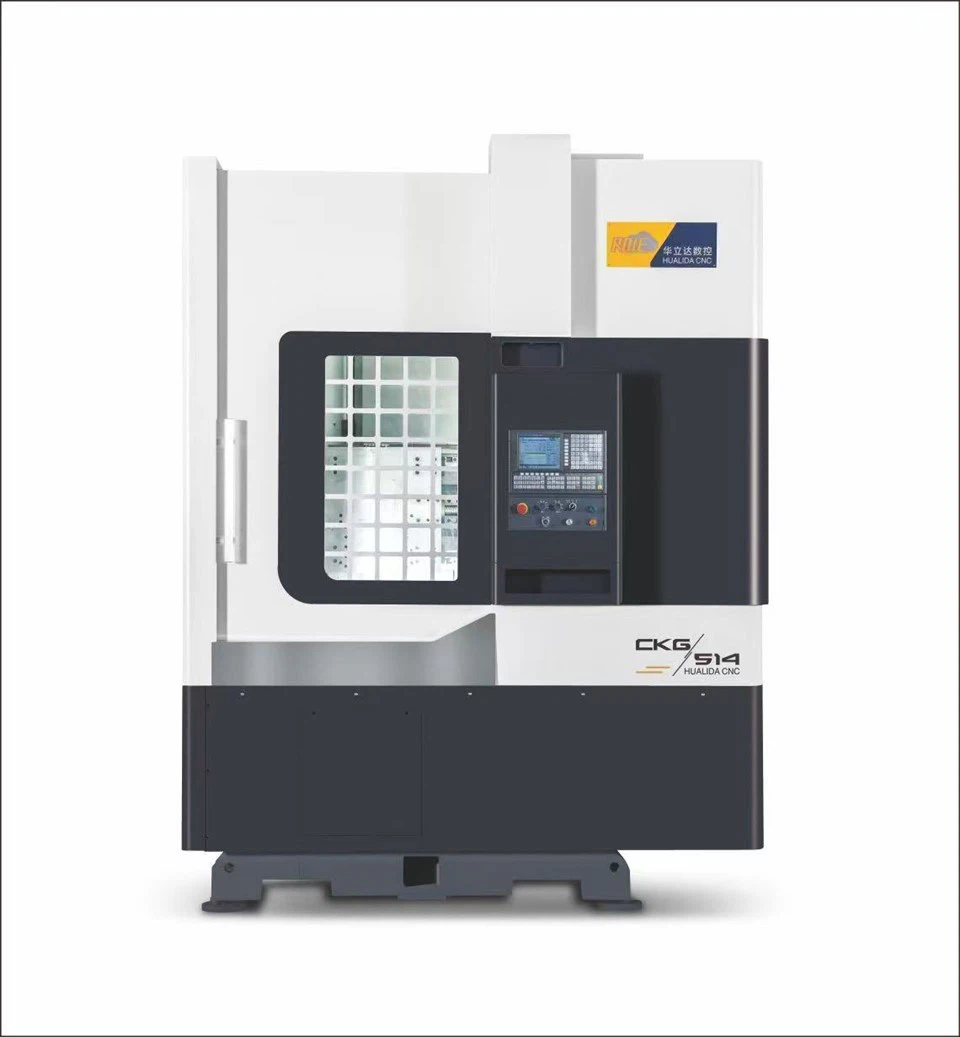
When programming, consider factors such as the cutting strategy, the feed rate, the spindle speed, and the tool path optimization. Use techniques such as high-speed machining, trochoidal milling, and adaptive roughing to reduce machining time and improve surface finish. Additionally, optimize the program for the specific machine and workpiece to ensure maximum efficiency.
4. Workpiece Handling and Setup
Efficient workpiece handling and setup can significantly reduce non-cutting time and improve overall productivity. Use fixtures and clamping devices to securely hold the workpiece in place during machining. This can reduce vibration, improve accuracy, and increase cutting speeds.
Consider using quick-change tooling systems and pallet changers to reduce setup time and increase machine utilization. These systems allow for rapid tool and workpiece changes, enabling the machine to start machining immediately after setup. Additionally, use automated loading and unloading systems to further reduce labor costs and improve productivity.
5. Operator Training and Skill Development
The skills and knowledge of the machine operators play a crucial role in the efficiency of CNC turning and milling operations. Provide comprehensive training to the operators on the proper use of the machine, the programming software, and the cutting tools. Ensure that the operators are familiar with the machine's capabilities, the safety procedures, and the best practices for efficient machining.
Encourage continuous learning and skill development among the operators. Provide opportunities for them to attend training courses, workshops, and seminars to stay updated on the latest technologies and techniques in CNC machining. Additionally, establish a culture of quality and productivity in the workplace to motivate the operators and improve overall performance.
6. Machine Maintenance and Monitoring
Regular machine maintenance is essential to ensure the long-term reliability and efficiency of CNC turning and milling machines. Follow the manufacturer's recommended maintenance schedule for tasks such as lubrication, cleaning, and inspection. This can help prevent breakdowns, reduce downtime, and extend the machine's lifespan.
Implement a machine monitoring system to track the performance of the machine in real-time. These systems can provide valuable insights into the machine's health, such as the spindle temperature, the vibration levels, and the tool wear. By monitoring these parameters, you can detect potential problems early and take proactive measures to prevent them from escalating.
7. Lean Manufacturing Principles
Applying lean manufacturing principles can help eliminate waste, reduce lead times, and improve overall efficiency in CNC turning and milling operations. Identify and eliminate non-value-added activities such as setup time, tool changes, and workpiece handling. Use techniques such as 5S (Sort, Set in Order, Shine, Standardize, Sustain) to organize the workplace and improve workflow.
Implement a continuous improvement process to identify areas for improvement and implement corrective actions. Encourage employee involvement in the improvement process and reward innovative ideas and suggestions. By continuously improving the manufacturing process, you can increase productivity, reduce costs, and improve customer satisfaction.
8. Production Planning and Scheduling
Effective production planning and scheduling are essential to ensure the efficient utilization of CNC turning and milling machines. Develop a production plan that takes into account factors such as the machine capacity, the order priority, the lead time, and the available resources. Use scheduling software to optimize the production schedule and ensure that the machines are utilized to their maximum capacity.
When scheduling, consider factors such as the setup time, the machining time, the tool change time, and the workpiece handling time. Use techniques such as batch processing, parallel processing, and job sequencing to reduce setup time, minimize idle time, and improve overall productivity.
9. Quality Control and Inspection
Maintaining high-quality standards is essential to ensure the efficiency of CNC turning and milling operations. Implement a comprehensive quality control system to monitor the quality of the machined parts at every stage of the production process. Use inspection equipment such as coordinate measuring machines (CMMs), optical comparators, and surface finish testers to ensure that the parts meet the required specifications.
Regularly calibrate the inspection equipment to ensure accurate measurements. Train the operators on the proper use of the inspection equipment and the quality control procedures. By detecting and correcting quality issues early, you can reduce scrap, rework, and customer complaints, and improve overall production efficiency.
10. Continuous Improvement
Improving the efficiency of CNC turning and milling machines is an ongoing process. Regularly review and analyze the machining processes, the production data, and the quality control results to identify areas for improvement. Implement corrective actions to address any issues or bottlenecks in the production process.
Encourage innovation and experimentation in the workplace. Invest in research and development to explore new technologies, techniques, and materials that can improve the efficiency of CNC turning and milling operations. By continuously improving the manufacturing process, you can stay competitive in the market and achieve long-term success.
Conclusion
Improving the efficiency of CNC turning and milling machines requires a comprehensive approach that addresses all aspects of the manufacturing process, from machine selection and configuration to production planning and scheduling. By implementing the strategies and techniques outlined in this blog post, you can reduce setup time, minimize errors, improve machining accuracy, and increase overall productivity.
If you are interested in learning more about how to improve the efficiency of your CNC turning and milling operations or if you are looking for high-quality CNC turning and milling machines, CNC Turning and Milling and CNC Turning and Milling Machine Tools can provide you with the solutions you need. Contact us today to discuss your specific requirements and explore how we can help you improve your manufacturing efficiency.
References
- Boothroyd, G., Dewhurst, P., & Knight, W. A. (2011). Product Design for Manufacture and Assembly. CRC Press.
- Dornfeld, D. A., Minis, I., & Takeuchi, Y. (2013). Handbook of Machining with Grinding Wheels. CRC Press.
- Kalpakjian, S., & Schmid, S. R. (2014). Manufacturing Engineering and Technology. Pearson.
- König, W., & Aurich, J. C. (2012). Manufacturing Technology: Vol. 1: Fundamentals. Springer.
- Trent, E. M., & Wright, P. K. (2000). Metal Cutting. Butterworth-Heinemann.