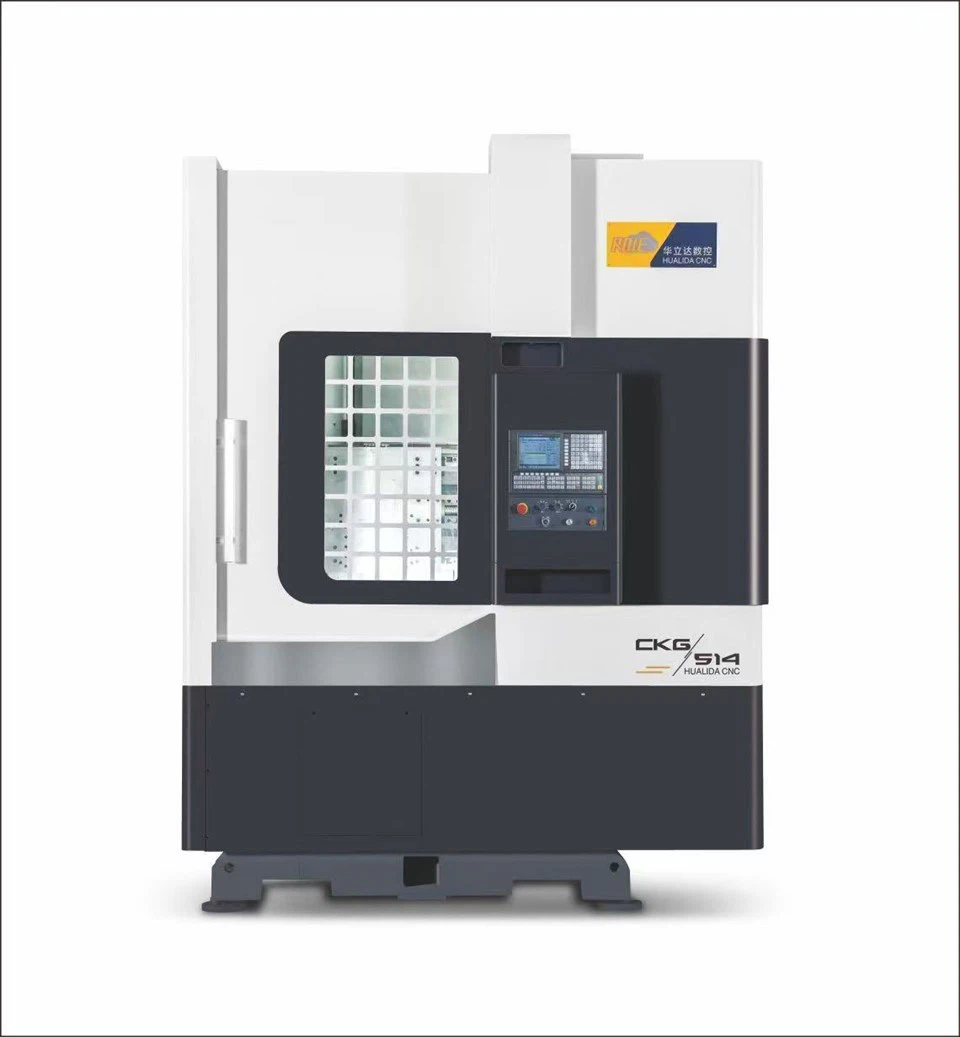
Improving the surface finish on a CNC lathe is a crucial aspect of precision machining, directly impacting the quality and functionality of the final product. As a supplier of CNC Lathe and Milling Machine, we understand the significance of achieving optimal surface finishes. In this blog, we will explore various strategies and techniques to enhance the surface finish on a CNC lathe.

Understanding Surface Finish
Before delving into the methods of improving surface finish, it is essential to understand what surface finish means. Surface finish refers to the texture of a surface, which is determined by the machining process and the quality of the cutting tools. A good surface finish is characterized by smoothness, low roughness, and minimal tool marks. It not only enhances the aesthetic appeal of the product but also improves its performance and durability.
Factors Affecting Surface Finish
Several factors can influence the surface finish on a CNC lathe. These include:
- Cutting Tools: The type, geometry, and condition of the cutting tools play a significant role in determining the surface finish. High-quality cutting tools with sharp edges and proper geometries can produce smoother surfaces.
- Cutting Parameters: The cutting speed, feed rate, and depth of cut are critical cutting parameters that affect the surface finish. Optimizing these parameters can help reduce tool wear and improve the surface quality.
- Workpiece Material: The properties of the workpiece material, such as hardness, toughness, and ductility, can also impact the surface finish. Different materials require different cutting strategies and tooling to achieve the desired surface quality.
- Machine Rigidity: The rigidity of the CNC lathe is essential for maintaining stable cutting conditions. A rigid machine can minimize vibrations and chatter, which can lead to poor surface finishes.
- Coolant and Lubrication: Using the appropriate coolant and lubrication can help reduce friction and heat during the cutting process, resulting in better surface finishes. Coolants also help flush away chips and debris, preventing them from scratching the workpiece surface.
Strategies for Improving Surface Finish
Based on the factors mentioned above, here are some strategies to improve the surface finish on a CNC lathe:
- Select the Right Cutting Tools: Choose cutting tools that are specifically designed for the workpiece material and the desired surface finish. Consider factors such as tool material, coating, geometry, and edge sharpness. For example, carbide cutting tools are commonly used for machining hard materials, while high-speed steel tools are suitable for softer materials.
- Optimize Cutting Parameters: Experiment with different cutting speeds, feed rates, and depths of cut to find the optimal combination for achieving the best surface finish. Generally, higher cutting speeds and lower feed rates tend to produce smoother surfaces. However, it is important to balance these parameters to avoid excessive tool wear and machining time.
- Use Proper Workholding: Ensure that the workpiece is securely held in place during the machining process to prevent vibrations and movement. Use appropriate workholding devices such as chucks, collets, or fixtures to ensure accurate and stable machining.
- Maintain Machine Rigidity: Regularly inspect and maintain the CNC lathe to ensure its rigidity. Check for loose bolts, worn bearings, and other components that may affect the machine's stability. Make any necessary adjustments or repairs to keep the machine in good working condition.
- Apply Coolant and Lubrication: Use a suitable coolant or lubricant during the cutting process to reduce friction and heat. The coolant should be applied directly to the cutting zone to ensure effective cooling and lubrication. Consider the type of coolant based on the workpiece material and the machining operation.
- Perform Finishing Operations: After the rough machining, perform finishing operations such as fine turning or facing to improve the surface finish. Use a smaller depth of cut and a slower feed rate during the finishing pass to achieve a smoother surface.
- Inspect and Measure the Surface Finish: Regularly inspect the surface finish of the machined parts using appropriate measuring tools such as surface roughness testers. This will help you monitor the quality of the surface finish and make any necessary adjustments to the machining process.
Role of CNC Turning and Milling Machine Tools
As a supplier of CNC lathes and milling machines, we also offer a wide range of CNC Turning and Milling Machine Tools that can help improve the surface finish. Our tools are designed to provide high precision and performance, ensuring optimal results in various machining applications.
Some of the key features of our machine tools include:
- High-Quality Materials: Our tools are made from high-quality materials such as carbide, high-speed steel, and ceramic to ensure durability and long tool life.
- Advanced Coatings: Many of our cutting tools are coated with advanced materials such as titanium nitride (TiN), titanium carbonitride (TiCN), or aluminum titanium nitride (AlTiN) to improve wear resistance and reduce friction.
- Optimized Geometries: Our tools are designed with optimized geometries to provide efficient chip evacuation, reduce cutting forces, and improve surface finish.
- Precision Manufacturing: We use advanced manufacturing processes to ensure the precision and accuracy of our machine tools. This results in consistent performance and high-quality machining results.
Importance of CNC Turning and Milling in Surface Finish Improvement
CNC Turning and Milling are two essential machining processes that can be used to improve the surface finish of parts. CNC turning involves rotating the workpiece while a cutting tool removes material to create a cylindrical shape. CNC milling, on the other hand, uses a rotating cutting tool to remove material from the workpiece to create complex shapes and features.
By combining these two processes, it is possible to achieve a high level of precision and surface finish. For example, CNC turning can be used to rough machine the workpiece, followed by CNC milling to perform finishing operations and create the final shape. This approach allows for greater control over the machining process and can result in superior surface finishes.
Conclusion
Improving the surface finish on a CNC lathe is a multi-faceted process that requires careful consideration of various factors such as cutting tools, cutting parameters, workpiece material, machine rigidity, and coolant usage. By implementing the strategies and techniques discussed in this blog, you can achieve better surface finishes and enhance the quality of your machined parts.
As a supplier of CNC Lathe and Milling Machine and CNC Turning and Milling Machine Tools, we are committed to providing our customers with high-quality products and solutions for their machining needs. If you are interested in improving the surface finish of your parts or have any questions about our products, please feel free to contact us for a consultation. We look forward to working with you to achieve your machining goals.
References
- Smith, J. (2018). Precision Machining: Principles and Applications. McGraw-Hill Education.
- Brown, A. (2019). CNC Machining Handbook. Industrial Press.
- Jones, R. (2020). Cutting Tool Technology: Fundamentals and Applications. CRC Press.