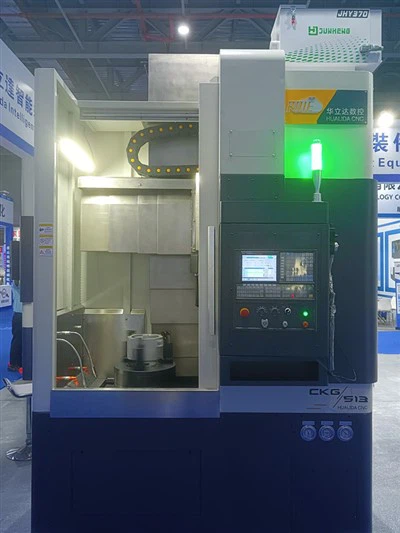
Hey there! As a supplier of CNC Vertical Grinding Machine, I often get asked about how to install and calibrate the position sensor in these machines. It's a crucial part of the process, and getting it right can make a huge difference in the performance of your CNC vertical grinding machine. So, let's dive into it!

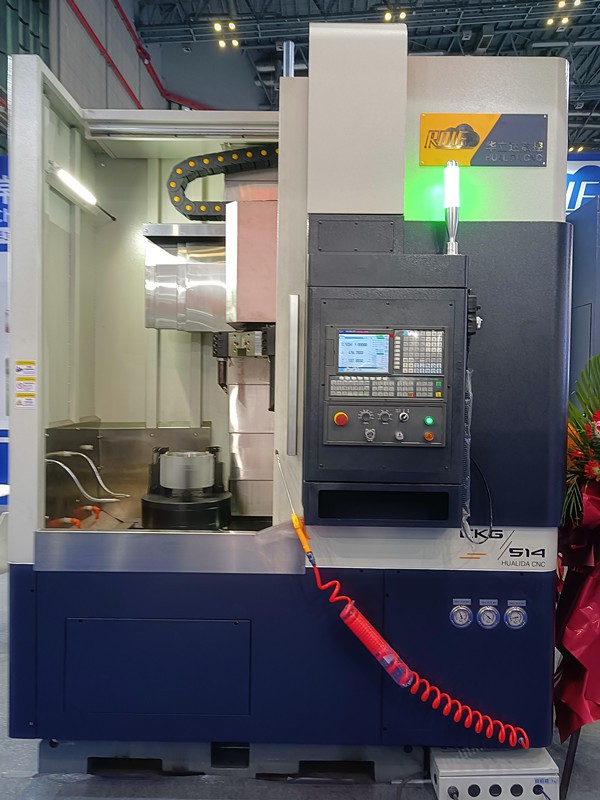
Why the Position Sensor Matters
First off, you might be wondering why the position sensor is such a big deal. Well, in a CNC vertical grinding machine, the position sensor is like the eyes of the machine. It tells the control system exactly where the grinding wheel and the workpiece are in relation to each other. This information is essential for accurate machining. Without a properly installed and calibrated position sensor, you could end up with parts that are out of spec, which means wasted time and materials.
Installing the Position Sensor
Step 1: Choose the Right Location
The first step in installing the position sensor is to find the right location for it. You want to place it in a spot where it can accurately measure the movement of the grinding wheel or the workpiece. Usually, this means mounting it close to the axis of movement. For example, if you're measuring the vertical movement of the grinding wheel, you'd mount the sensor on the column of the machine near the wheel head.
Step 2: Prepare the Mounting Surface
Once you've chosen the location, you need to prepare the mounting surface. It should be clean, flat, and free of any debris or burrs. You can use a file or sandpaper to smooth out any rough spots. Make sure the surface is also perpendicular to the axis of movement to ensure accurate measurements.
Step 3: Mount the Sensor
Now it's time to mount the sensor. Most position sensors come with mounting brackets or holes that you can use to attach them to the machine. Use the appropriate screws or bolts to secure the sensor in place. Make sure it's tightly fastened so that it doesn't move during operation.
Step 4: Connect the Wires
After mounting the sensor, you need to connect the wires. The sensor will typically have a power cable and a signal cable. Connect the power cable to a suitable power source, making sure to follow the manufacturer's instructions regarding voltage and polarity. Then, connect the signal cable to the control system of the CNC vertical grinding machine. This will allow the control system to receive the position data from the sensor.
Calibrating the Position Sensor
Step 1: Zero the Sensor
Once the sensor is installed and connected, the first step in calibration is to zero it. This means setting the sensor to read zero when the grinding wheel or workpiece is at its starting position. Most CNC control systems have a function for zeroing the position sensors. Follow the instructions in the control system manual to perform this operation.
Step 2: Check the Accuracy
After zeroing the sensor, you need to check its accuracy. You can do this by moving the grinding wheel or workpiece to a known position and comparing the reading on the control system with the actual position. If there's a significant difference, you'll need to adjust the calibration.
Step 3: Adjust the Calibration
To adjust the calibration, you'll usually need to access the calibration settings in the control system. These settings allow you to fine-tune the sensor's output so that it matches the actual position of the grinding wheel or workpiece. You may need to make small adjustments and recheck the accuracy several times until you get it right.
Step 4: Test the Machine
Once you've calibrated the position sensor, it's important to test the machine to make sure everything is working properly. Run a few test programs on the CNC vertical grinding machine and monitor the position readings. If the readings are stable and accurate, and the machine is producing parts within the desired tolerances, then you've successfully calibrated the sensor.
Common Issues and Troubleshooting
Sensor Not Reading Correctly
If the position sensor is not reading correctly, there could be several reasons. First, check the wiring to make sure all the connections are secure. Loose or damaged wires can cause inaccurate readings. You should also check the power supply to ensure that the sensor is getting the correct voltage.
Sensor Drifting
Sometimes, the position sensor may start to drift over time, meaning that the readings gradually become less accurate. This can be caused by factors such as temperature changes, mechanical vibrations, or wear and tear on the sensor. If you notice sensor drifting, you may need to recalibrate the sensor more frequently or consider replacing it if the problem persists.
Interference
Another common issue is interference from other electrical components in the machine. This can cause the sensor to give erratic readings. To reduce interference, make sure the sensor's signal cable is shielded and routed away from other power cables and electrical equipment. You may also need to use ferrite beads or other filtering devices to suppress electromagnetic interference.
Conclusion
Installing and calibrating the position sensor in a CNC vertical grinding machine is a critical process that requires attention to detail. By following the steps outlined above, you can ensure that your position sensor is installed correctly and calibrated accurately, which will result in better performance and more accurate machining.
If you're in the market for a CNC Vertical Grinding Machine, a High Precision Vertical Lathe, or a Fixed Beam CNC Vertical Milling Machine, we're here to help. Our machines are built to the highest standards and come with reliable position sensors for accurate operation. If you have any questions or are interested in purchasing one of our machines, feel free to reach out to us for a consultation. We'll be happy to assist you in finding the right machine for your needs.
References
- CNC Vertical Grinding Machine Manufacturer's Manual
- Position Sensor Manufacturer's Documentation
- CNC Control System Manual