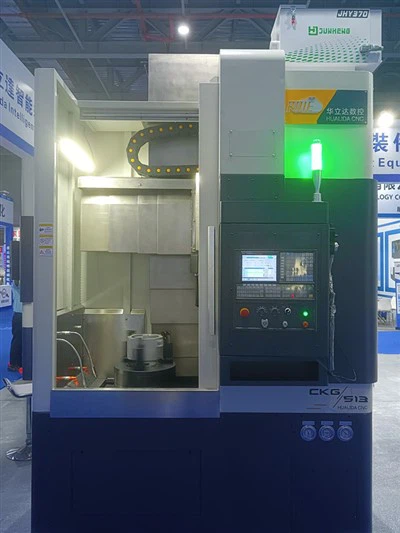
As a provider of CNC turning and milling machines, I understand the crucial role that the hydraulic system plays in the performance and longevity of these sophisticated pieces of equipment. The hydraulic system is the lifeblood of a CNC turning and milling machine, responsible for powering various components and ensuring smooth and precise operation. In this blog post, I will share some essential tips on how to maintain the hydraulic system of a CNC turning and milling machine to keep it running at its best.
Understanding the Hydraulic System in CNC Turning and Milling Machines
Before delving into maintenance tips, it's important to have a basic understanding of the hydraulic system in CNC turning and milling machines. The hydraulic system consists of several key components, including a hydraulic pump, valves, cylinders, and hydraulic fluid. The hydraulic pump is responsible for generating the pressure needed to move the hydraulic fluid through the system. Valves control the flow and direction of the hydraulic fluid, while cylinders convert the hydraulic pressure into mechanical force. The hydraulic fluid acts as a lubricant, coolant, and power transmission medium.
Regular Inspection and Monitoring
Regular inspection and monitoring are essential for maintaining the hydraulic system of a CNC turning and milling machine. Here are some key areas to focus on:
- Hydraulic Fluid Level and Quality: Check the hydraulic fluid level regularly and ensure it is within the recommended range. Low fluid levels can lead to cavitation, which can damage the hydraulic pump and other components. Additionally, monitor the quality of the hydraulic fluid. Over time, the fluid can become contaminated with dirt, debris, and moisture, which can affect its performance and cause damage to the system. Replace the hydraulic fluid at the recommended intervals and use a high-quality fluid that meets the manufacturer's specifications.
- Hydraulic Hoses and Fittings: Inspect the hydraulic hoses and fittings for signs of wear, damage, or leaks. Cracked or damaged hoses can lead to fluid leaks, which can not only cause a loss of hydraulic pressure but also pose a safety hazard. Tighten loose fittings and replace any damaged hoses or fittings immediately.
- Valves and Cylinders: Check the valves and cylinders for proper operation. Look for signs of leakage, sticking, or abnormal noise. If you notice any issues, have the valves and cylinders inspected and repaired by a qualified technician.
- Filters: The hydraulic system is equipped with filters to remove contaminants from the hydraulic fluid. Check the filters regularly and replace them as needed. Clogged filters can restrict the flow of hydraulic fluid, leading to reduced performance and potential damage to the system.
Proper Fluid Maintenance
Proper fluid maintenance is crucial for the longevity and performance of the hydraulic system. Here are some tips to keep in mind:
- Use the Right Fluid: Always use the hydraulic fluid recommended by the machine manufacturer. Different machines may require different types of hydraulic fluid, depending on factors such as operating temperature, pressure, and viscosity. Using the wrong fluid can lead to poor performance, increased wear and tear, and potential damage to the system.
- Keep the Fluid Clean: Contamination is one of the leading causes of hydraulic system failure. To keep the fluid clean, store it in a clean, dry place and use clean containers when transferring the fluid. Additionally, avoid introducing dirt, debris, or moisture into the system during maintenance or repair procedures.
- Monitor Fluid Temperature: Excessive fluid temperature can cause the hydraulic fluid to break down, leading to reduced performance and potential damage to the system. Monitor the fluid temperature regularly and ensure it stays within the recommended range. If the fluid temperature is too high, check for potential causes such as overloading, restricted airflow, or a malfunctioning cooling system.
- Perform Regular Fluid Analysis: Regular fluid analysis can provide valuable insights into the condition of the hydraulic system. By analyzing the fluid for contaminants, wear particles, and other indicators, you can detect potential problems early and take corrective action before they cause significant damage.
Lubrication and Sealing
Proper lubrication and sealing are essential for the smooth operation of the hydraulic system. Here are some tips to ensure optimal lubrication and sealing:
- Lubricate Moving Parts: The hydraulic system contains many moving parts, such as pumps, valves, and cylinders. These parts require proper lubrication to reduce friction and wear. Follow the manufacturer's recommendations for lubrication intervals and use the recommended lubricant.
- Check Seals and Gaskets: Seals and gaskets are used to prevent fluid leaks in the hydraulic system. Inspect the seals and gaskets regularly for signs of wear, damage, or leakage. Replace any worn or damaged seals and gaskets immediately to prevent fluid leaks and ensure proper system operation.
- Avoid Over-Tightening: When installing or tightening components in the hydraulic system, be careful not to over-tighten. Over-tightening can damage the seals and gaskets, leading to fluid leaks and potential system failure. Follow the manufacturer's torque specifications when tightening bolts and fittings.
Training and Operator Awareness
Proper training and operator awareness are crucial for maintaining the hydraulic system of a CNC turning and milling machine. Here are some steps you can take to ensure your operators are well-trained and aware of the importance of hydraulic system maintenance:
- Provide Comprehensive Training: Train your operators on the proper operation and maintenance of the CNC turning and milling machine, including the hydraulic system. Make sure they understand the importance of regular inspection, monitoring, and maintenance, as well as the potential consequences of neglecting these tasks.
- Establish Maintenance Procedures: Develop and implement a comprehensive maintenance program for the CNC turning and milling machine, including specific procedures for maintaining the hydraulic system. Make sure the maintenance procedures are clearly documented and easily accessible to your operators.
- Encourage Operator Feedback: Encourage your operators to report any issues or concerns they notice with the hydraulic system. By addressing these issues promptly, you can prevent potential problems from escalating and ensure the continued performance of the machine.
Conclusion
Maintaining the hydraulic system of a CNC turning and milling machine is essential for ensuring its performance, reliability, and longevity. By following the tips outlined in this blog post, you can keep your hydraulic system in top condition and minimize the risk of costly breakdowns and repairs. Remember to perform regular inspections and monitoring, practice proper fluid maintenance, ensure proper lubrication and sealing, and provide your operators with the training and awareness they need to maintain the system effectively.
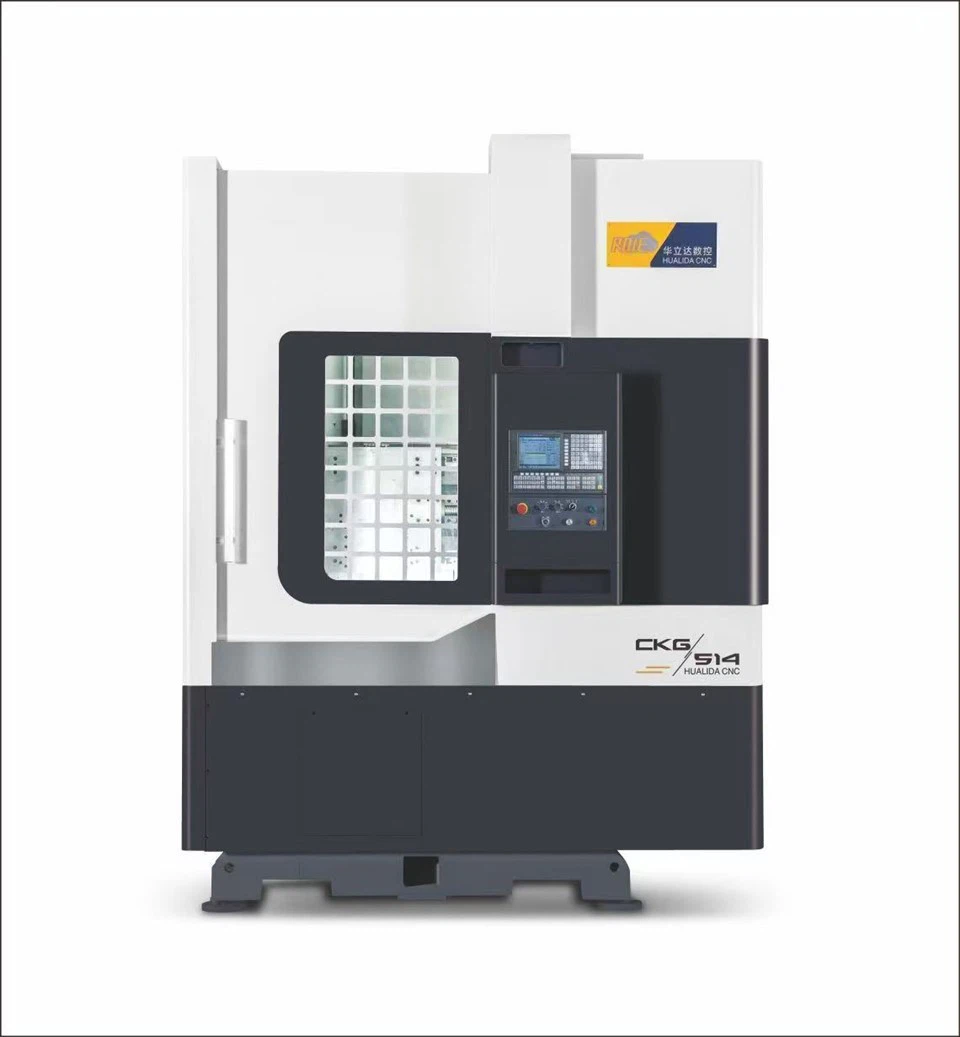

If you are in the market for a CNC Turning and Milling machine or CNC Turning and Milling Machine Tools, or a CNC Lathe and Milling Machine, we are here to help. Our team of experts can provide you with the guidance and support you need to choose the right machine for your needs and ensure its proper installation, operation, and maintenance. Contact us today to learn more about our products and services and to start a conversation about your specific requirements.
References
- Manufacturer's manuals and documentation for CNC turning and milling machines.
- Industry standards and best practices for hydraulic system maintenance.
- Technical articles and research papers on hydraulic system technology and maintenance.