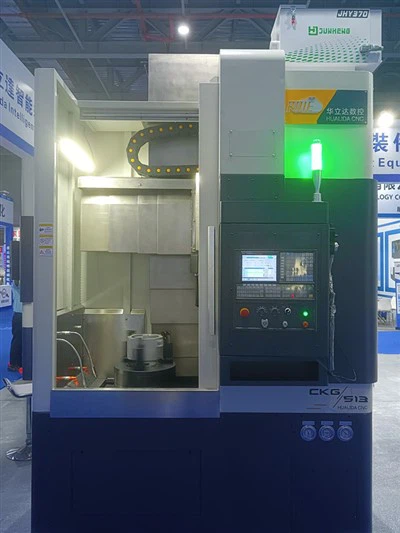
Hey there! As a supplier of High Precision Vertical Lathes, I've seen firsthand how crucial it is to optimize the machining process on these bad boys. It's not just about getting the job done; it's about doing it efficiently, accurately, and cost - effectively. So, let's dive into some tips on how to optimize the machining process on a high precision vertical lathe.
1. Select the Right Tools
First off, tool selection is super important. You gotta pick the right cutting tools for the material you're working with. Different materials, like steel, aluminum, or titanium, require different types of cutting edges and coatings. For example, when machining hard materials such as stainless steel, carbide - tipped tools are a great choice because they can withstand high temperatures and pressures.
On the other hand, if you're working with softer materials like aluminum, high - speed steel tools might do the trick. Also, don't forget about the tool geometry. The right rake angle, clearance angle, and cutting edge radius can significantly improve the cutting performance. Make sure to check the manufacturer's recommendations for tool selection based on your specific machining requirements. And here's a great resource for more advanced tools: Turning and Grinding Compound Machine Tools.
2. Optimize Cutting Parameters
Cutting parameters, including cutting speed, feed rate, and depth of cut, play a huge role in the machining process. You need to find the sweet spot for these parameters to get the best results.


- Cutting Speed: This is how fast the cutting tool moves across the workpiece. A higher cutting speed can increase productivity, but it can also cause excessive tool wear. You have to balance it according to the tool material and the workpiece material. For instance, when using a carbide tool on a steel workpiece, you can generally go for a higher cutting speed compared to using a high - speed steel tool.
- Feed Rate: It refers to how fast the tool advances into the workpiece. A higher feed rate can also boost productivity, but if it's too high, it can lead to poor surface finish and increased cutting forces. You need to find the right feed rate based on the tool's capabilities and the desired surface quality.
- Depth of Cut: This is how deep the tool penetrates into the workpiece. A larger depth of cut can remove more material in one pass, but it also requires more power and can put more stress on the tool. You should start with a smaller depth of cut and gradually increase it if the machine and the tool can handle it.
3. Workpiece Fixturing
Proper workpiece fixturing is essential for accurate machining. You need to make sure the workpiece is firmly held in place to prevent any movement during the cutting process. There are different types of fixtures available, such as chucks, vises, and clamps.
For example, a three - jaw chuck is great for round workpieces, while a vise is more suitable for rectangular workpieces. When choosing a fixture, consider the shape, size, and weight of the workpiece. Also, make sure the fixture doesn't interfere with the cutting tool's path. A well - designed fixture can improve the accuracy and repeatability of the machining process.
4. Machine Maintenance
Regular machine maintenance is a must if you want to keep your high precision vertical lathe running smoothly. This includes cleaning the machine, lubricating the moving parts, and checking the alignment of the spindle and other components.
- Cleaning: Remove chips, coolant, and debris from the machine regularly. This helps prevent corrosion and damage to the machine parts.
- Lubrication: Make sure all the moving parts are properly lubricated. This reduces friction and wear, and it also helps in maintaining the accuracy of the machine.
- Alignment: Check the alignment of the spindle, the slides, and other critical components. Misalignment can lead to poor machining accuracy and premature tool wear.
You can find some useful information about related machine maintenance on CNC Vertical Grinding Machine, as many maintenance principles are similar.
5. Use of Coolants and Lubricants
Coolants and lubricants are your friends in the machining process. They help in reducing heat, improving the surface finish, and extending the tool life.
- Coolants: They dissipate the heat generated during cutting, which prevents the workpiece and the tool from overheating. This is especially important when machining materials that generate a lot of heat, like stainless steel.
- Lubricants: They reduce friction between the cutting tool and the workpiece. This results in a better surface finish and less wear on the tool.
Choose the right coolant or lubricant based on the material you're machining and the cutting conditions. Some coolants are designed for specific materials or machining operations, so do your research before making a choice.
6. Programming and Control
If your high precision vertical lathe is CNC - controlled, then proper programming is key. Use advanced CAD/CAM software to generate accurate tool paths. Make sure the program takes into account all the cutting parameters, the tool geometry, and the workpiece dimensions.
You can also use the machine's control system to monitor and adjust the machining process in real - time. For example, some machines can automatically adjust the cutting speed and feed rate based on the cutting forces. This helps in optimizing the process and ensuring consistent quality.
7. Operator Training
Last but not least, the operator's skills and knowledge are crucial. Make sure your operators are well - trained on how to operate the high precision vertical lathe. They should know how to select the right tools, set the cutting parameters, fixture the workpiece, and perform basic maintenance tasks.
Provide regular training sessions to keep them updated with the latest techniques and technologies. A skilled operator can make a big difference in the efficiency and quality of the machining process.
In conclusion, optimizing the machining process on a high precision vertical lathe involves a combination of factors, from tool selection to operator training. By following these tips, you can improve productivity, accuracy, and cost - effectiveness. If you're in the market for a high - quality High Precision Vertical Lathe, we've got you covered. Check out our High Precision Vertical Lathe for more details. If you're interested in purchasing or have any questions about optimizing your machining process, feel free to reach out for a procurement discussion. We're here to help you take your machining operations to the next level!
References
- Machinery's Handbook: A comprehensive reference for machining processes, tool selection, and cutting parameters.
- Manufacturer's manuals for High Precision Vertical Lathes, which provide detailed information on machine operation, maintenance, and recommended practices.