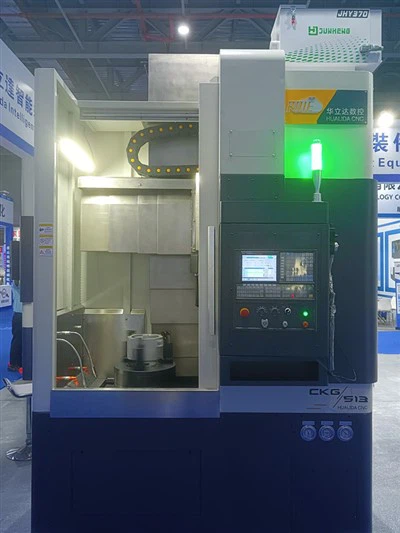
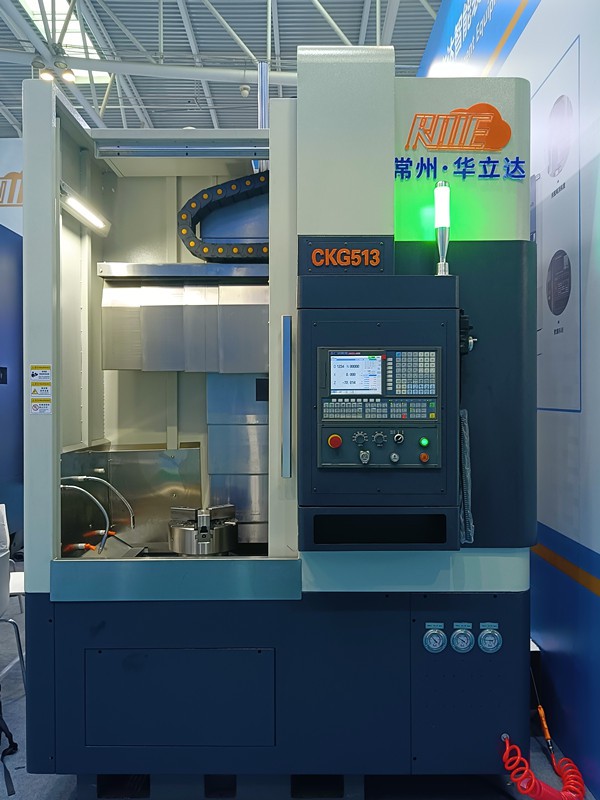
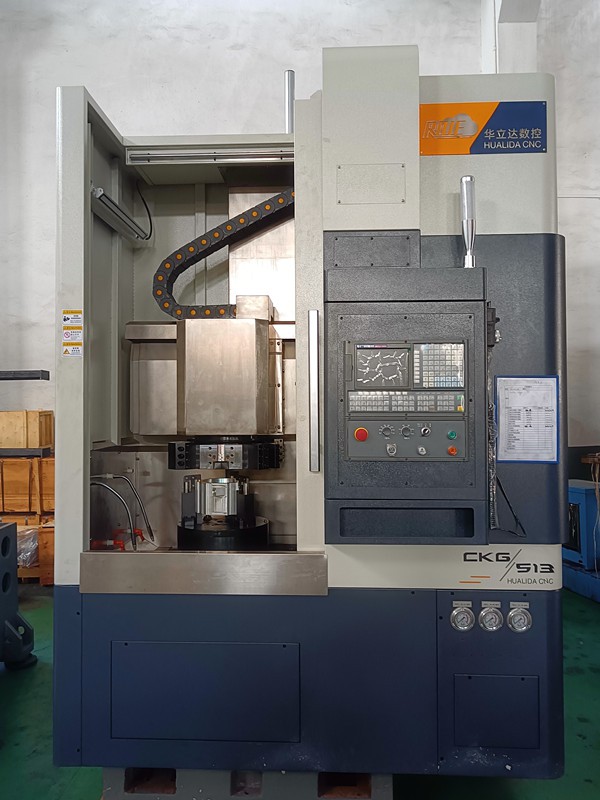
Chip entanglement is a common and troublesome issue in the operation of a Hard Rail Vertical Lathe. As a reliable supplier of Hard Rail Vertical Lathe, we understand the negative impacts it can have on machining efficiency, tool life, and the overall quality of the workpiece. In this blog, we will delve into the causes of chip entanglement and provide effective strategies to prevent it.
Understanding the Causes of Chip Entanglement
Before we can effectively prevent chip entanglement, it is essential to understand the root causes. Several factors contribute to this problem, including the material being machined, the cutting parameters, the tool geometry, and the chip evacuation system.
Material Properties
Different materials have different chip - forming characteristics. For example, ductile materials such as aluminum and mild steel tend to produce long, continuous chips. These chips are more likely to become entangled around the cutting tool, workpiece, or other components of the lathe. In contrast, brittle materials like cast iron produce short, discontinuous chips that are less prone to entanglement.
Cutting Parameters
The cutting parameters, including cutting speed, feed rate, and depth of cut, play a crucial role in chip formation. If the cutting speed is too low or the feed rate is too high, the chips may not break properly and will form long, stringy shapes. Similarly, an excessive depth of cut can also lead to large, unmanageable chips that are difficult to evacuate.
Tool Geometry
The geometry of the cutting tool significantly affects chip formation. Tools with improper rake angles, clearance angles, or chip breakers may not break the chips effectively. For instance, a tool with a small rake angle may produce chips that are difficult to curl and break, increasing the risk of entanglement.
Chip Evacuation System
A poorly designed or malfunctioning chip evacuation system is a major contributor to chip entanglement. If the chips cannot be removed from the cutting area quickly and efficiently, they will accumulate and become entangled. This can be due to factors such as clogged chip conveyors, inadequate coolant flow, or improper positioning of the coolant nozzles.
Strategies to Prevent Chip Entanglement
Based on the understanding of the causes, we can implement several strategies to prevent chip entanglement in a Hard Rail Vertical Lathe.
Select the Right Cutting Tools
- Proper Tool Geometry: Choose cutting tools with appropriate rake angles, clearance angles, and chip breakers. For ductile materials, tools with positive rake angles and effective chip breakers can help curl and break the chips into manageable sizes.
- Tool Coating: Consider using coated cutting tools. Coatings such as titanium nitride (TiN), titanium carbonitride (TiCN), and aluminum titanium nitride (AlTiN) can reduce friction between the tool and the chip, improving chip flow and reducing the likelihood of entanglement.
Optimize Cutting Parameters
- Cutting Speed: Adjust the cutting speed according to the material being machined. Generally, increasing the cutting speed can help break the chips more effectively. However, it is important to stay within the recommended speed range for the tool and material to avoid excessive tool wear.
- Feed Rate: Select an appropriate feed rate. A lower feed rate may be necessary for materials that tend to produce long chips. Experiment with different feed rates to find the optimal value that produces short, manageable chips.
- Depth of Cut: Control the depth of cut to ensure that the chips are not too large. A smaller depth of cut can reduce the forces on the tool and make it easier to break the chips.
Improve Chip Evacuation
- Chip Conveyor Maintenance: Regularly clean and maintain the chip conveyor to prevent clogging. Check for any signs of wear or damage and replace any worn - out parts promptly.
- Coolant System: Ensure that the coolant system is working properly. The coolant helps to lubricate the cutting process, reduce heat, and flush the chips away from the cutting area. Position the coolant nozzles correctly to direct the coolant flow towards the cutting edge and the chip formation zone.
- Chip Flute Design: Some cutting tools have special chip flute designs that enhance chip evacuation. Consider using tools with optimized chip flutes to improve the flow of chips out of the cutting area.
Use Chip Breaking Devices
- External Chip Breakers: In some cases, external chip breakers can be used to assist in breaking the chips. These devices can be attached to the lathe and are designed to physically break the chips as they are formed.
- Programmable Chip Breaking: Modern Hard Rail Vertical Lathes often have programmable features that allow for controlled chip breaking. By programming the lathe to change the cutting parameters at regular intervals, the chips can be broken into smaller pieces.
Case Studies and Real - World Examples
Let's take a look at some real - world examples of how these strategies have been successfully applied to prevent chip entanglement.
Case Study 1: Machining Aluminum Components
A customer was using our Hard Rail Vertical Lathe to machine aluminum components. They were experiencing severe chip entanglement issues, which were affecting the surface finish of the parts and reducing the tool life. After analyzing the situation, we recommended changing the cutting tool to one with a positive rake angle and a more effective chip breaker. We also optimized the cutting parameters by increasing the cutting speed and reducing the feed rate. Additionally, we adjusted the coolant nozzles to improve chip evacuation. As a result, the chip entanglement problem was significantly reduced, and the machining efficiency and part quality were improved.
Case Study 2: Machining Steel Workpieces
Another customer was machining steel workpieces on a Heavy Vertical Lathe. The long, continuous chips were getting entangled around the tool and the workpiece, causing frequent machine stoppages. We suggested using a coated cutting tool with a special chip flute design to enhance chip evacuation. We also implemented a programmable chip - breaking strategy, where the lathe changed the cutting parameters every few passes. These measures effectively broke the chips into smaller pieces and eliminated the chip entanglement problem.
Conclusion
Chip entanglement is a challenging problem in the operation of a Hard Rail Vertical Lathe, but it can be effectively prevented by understanding the causes and implementing the right strategies. By selecting the appropriate cutting tools, optimizing the cutting parameters, improving the chip evacuation system, and using chip - breaking devices, we can ensure smooth and efficient machining operations.
As a leading supplier of Hard Rail Vertical Lathe, Heavy Vertical Lathe, and Large Cutting Vertical Lathe, we are committed to providing our customers with high - quality products and comprehensive technical support. If you are facing chip entanglement issues or have any other concerns regarding our lathes, we encourage you to contact us for a detailed consultation. Our team of experts will be happy to assist you in finding the best solutions for your machining needs.
References
- "Metal Cutting Principles" by Peter Oxley
- "Machining Fundamentals" by Society of Manufacturing Engineers
- Technical manuals of Hard Rail Vertical Lathes from leading manufacturers