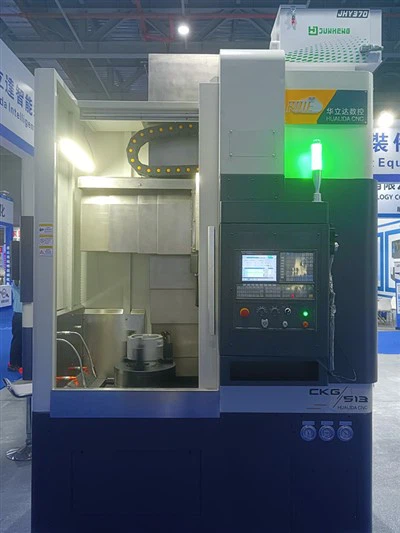
Selecting the appropriate boring tool for the CKG515 CNC Vertical Lathe is a crucial decision that can significantly impact the quality, efficiency, and cost-effectiveness of your machining operations. As a supplier of the CKG515 CNC Vertical Turning Lathe [/cnc-vertical-lathe/ckg515-cnc-vertical-turning-lathe.html], I understand the importance of this choice and am here to guide you through the process.
Understanding the CKG515 CNC Vertical Lathe
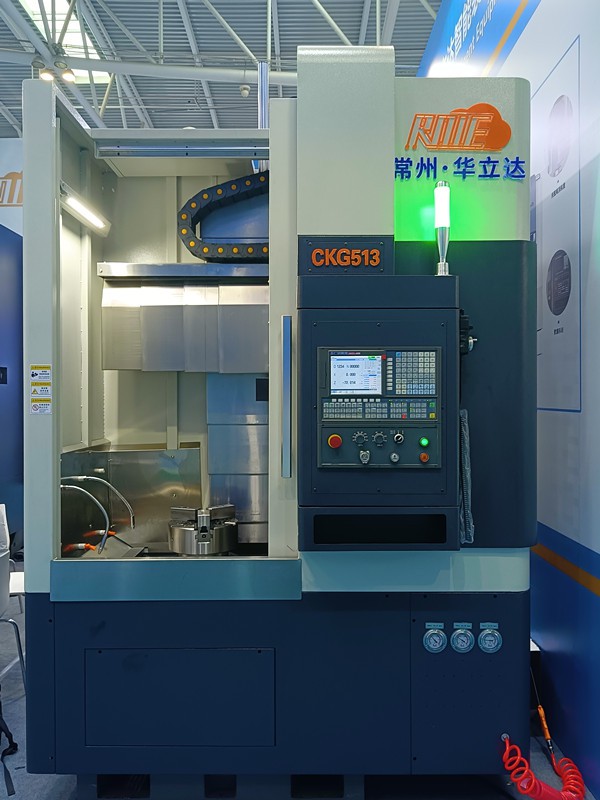
Before delving into the selection of boring tools, it's essential to have a clear understanding of the CKG515 CNC Vertical Lathe. This machine is designed for precision turning and boring operations on a variety of workpieces. It offers high rigidity, accuracy, and stability, making it suitable for both small-scale and large-scale production. The CKG515 is equipped with advanced CNC controls that allow for precise programming and automation, enabling operators to achieve complex machining tasks with ease.
Factors to Consider When Selecting a Boring Tool
1. Workpiece Material
The material of the workpiece is one of the most critical factors to consider when selecting a boring tool. Different materials have different hardness, toughness, and machinability characteristics, which require specific tool materials and geometries. For example, when machining hard materials such as stainless steel or titanium, carbide cutting tools are often preferred due to their high hardness and wear resistance. On the other hand, high-speed steel (HSS) tools may be more suitable for softer materials like aluminum or brass.
2. Bore Diameter and Depth
The diameter and depth of the bore to be machined also play a significant role in tool selection. For small-diameter bores, solid carbide boring bars are typically used as they offer high precision and rigidity. As the bore diameter increases, adjustable boring heads or modular boring systems may be more appropriate. These systems allow for easy adjustment of the cutting diameter, making them suitable for a wide range of bore sizes. In addition, the depth of the bore can affect the choice of tool length and overhang. Longer tools are required for deeper bores, but they also increase the risk of vibration and deflection, which can negatively impact the surface finish and accuracy of the bore.
3. Machining Tolerance and Surface Finish
The required machining tolerance and surface finish of the bore are important considerations when selecting a boring tool. Tighter tolerances and better surface finishes typically require more precise and high-quality tools. For example, precision-ground carbide inserts or diamond-coated tools may be necessary to achieve micron-level tolerances and mirror-like surface finishes. Additionally, the cutting parameters, such as cutting speed, feed rate, and depth of cut, also need to be carefully selected to ensure that the desired tolerance and surface finish are achieved.
4. Cutting Conditions
The cutting conditions, including cutting speed, feed rate, and depth of cut, have a direct impact on the performance and life of the boring tool. Higher cutting speeds generally result in increased productivity but can also lead to faster tool wear. Feed rate affects the chip thickness and the surface finish of the bore. A higher feed rate can increase the material removal rate but may also cause poor surface finish or tool breakage. The depth of cut determines the amount of material removed in each pass and can affect the cutting forces and tool life. When selecting a boring tool, it's important to consider the recommended cutting conditions provided by the tool manufacturer and adjust them based on the specific machining requirements.
5. Tool Geometry
The geometry of the boring tool, including the rake angle, clearance angle, and cutting edge shape, can significantly affect the cutting performance and chip formation. The rake angle influences the cutting forces and the ease of chip flow. A positive rake angle reduces the cutting forces but may also decrease the tool's strength. The clearance angle prevents the tool from rubbing against the workpiece and helps to improve the surface finish. The cutting edge shape can be optimized for different machining operations, such as roughing, finishing, or threading.
Types of Boring Tools for the CKG515 CNC Vertical Lathe
1. Solid Carbide Boring Bars
Solid carbide boring bars are made from a single piece of carbide material and offer high rigidity and precision. They are suitable for machining small-diameter bores with tight tolerances and excellent surface finishes. Solid carbide boring bars are available in various diameters and lengths and can be used with different types of inserts for different machining applications.
2. Adjustable Boring Heads
Adjustable boring heads are versatile tools that allow for easy adjustment of the cutting diameter. They typically consist of a body, an adjustable insert holder, and a locking mechanism. Adjustable boring heads can be used for both roughing and finishing operations and are suitable for a wide range of bore sizes. They are often used in combination with modular boring systems to achieve greater flexibility and efficiency.
3. Modular Boring Systems
Modular boring systems are composed of a series of interchangeable components, such as boring bars, inserts, and holders. These systems offer high flexibility and can be easily customized to meet different machining requirements. Modular boring systems are suitable for machining large-diameter bores and complex geometries. They allow for quick tool changes and can significantly reduce setup time.
4. Indexable Inserts
Indexable inserts are replaceable cutting tips that can be easily mounted on boring bars or heads. They are available in a variety of shapes, sizes, and materials, allowing for different cutting operations and workpiece materials. Indexable inserts offer cost savings compared to solid carbide tools as they can be reused by simply rotating or replacing the worn cutting edge.
Tips for Using Boring Tools on the CKG515 CNC Vertical Lathe
1. Proper Tool Installation
Ensure that the boring tool is properly installed in the tool holder and tightened securely. Incorrect tool installation can lead to tool vibration, poor surface finish, and even tool breakage. Follow the manufacturer's instructions for tool installation and use the appropriate tools and torque values.
2. Tool Alignment
Proper tool alignment is crucial for achieving accurate and consistent bore diameters. Use a dial indicator or other alignment tools to ensure that the boring tool is aligned with the center of the workpiece. Misaligned tools can cause uneven cutting, poor surface finish, and dimensional errors.
3. Cutting Fluid
Using the appropriate cutting fluid can significantly improve the cutting performance and tool life. Cutting fluid helps to cool the cutting tool, reduce friction, and flush away chips. Choose a cutting fluid that is compatible with the workpiece material and the cutting conditions.

4. Tool Monitoring
Regularly monitor the performance of the boring tool during machining. Check for signs of tool wear, such as dull cutting edges, chipping, or excessive vibration. Replace the tool or insert when necessary to ensure consistent quality and productivity.
Conclusion
Selecting the appropriate boring tool for the CKG515 CNC Vertical Lathe requires careful consideration of several factors, including workpiece material, bore diameter and depth, machining tolerance and surface finish, cutting conditions, and tool geometry. By understanding these factors and choosing the right tool for the job, you can achieve high-quality, efficient, and cost-effective machining operations.
If you are interested in learning more about the CKG515 CNC Vertical Turning Lathe or need assistance in selecting the appropriate boring tools for your specific application, please feel free to contact us. We are a leading supplier of CNC Vertical Turning Lathe Machine and have a team of experienced professionals who can provide you with expert advice and support. We also offer a wide range of boring tools and accessories to meet your machining needs.
References
- "Machining Handbook," Industrial Press Inc.
- "Cutting Tool Engineering," Society of Manufacturing Engineers.
- Manufacturer's catalogs and technical documentation for CKG515 CNC Vertical Lathe and boring tools.