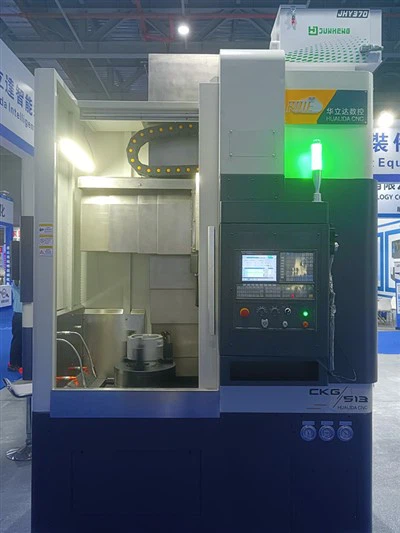
Training operators to use a heavy cutting vertical lathe proficiently is a multi - faceted process that requires a combination of theoretical knowledge, practical experience, and continuous learning. As a supplier of Heavy Cutting Vertical Lathes, I understand the importance of ensuring that operators can fully utilize the capabilities of our machines. In this blog, I will share some effective strategies for training operators to use these powerful machines proficiently.
1. Understanding the Basics of Heavy Cutting Vertical Lathes
Before diving into the training process, it's crucial for operators to have a solid understanding of what a heavy cutting vertical lathe is and how it differs from other types of lathes. A Heavy Cutting Vertical Lathe is designed to handle large and heavy workpieces with high precision and efficiency. It features a vertical spindle orientation, which allows for better support of the workpiece during cutting operations, especially when dealing with heavy cuts.
Operators should be familiar with the key components of the lathe, such as the spindle, turret, tool holders, and control panel. They need to know how these components work together to perform various machining operations, including turning, boring, facing, and threading. Theoretical training can be provided through lectures, manuals, and online resources to ensure that operators have a comprehensive understanding of the machine's structure and function.
2. Safety Training
Safety is of utmost importance when operating a heavy cutting vertical lathe. These machines are powerful and can pose significant risks if not used properly. Therefore, safety training should be the first step in the operator training program.
Operators should be trained on how to use personal protective equipment (PPE), such as safety glasses, gloves, and ear protection. They need to understand the safety features of the lathe, such as emergency stop buttons, safety guards, and interlocks. Additionally, operators should be taught about the potential hazards associated with the machine, such as flying chips, rotating parts, and electrical shock, and how to prevent accidents.
Regular safety drills and inspections should be conducted to reinforce safety awareness and ensure that operators follow safety procedures at all times.
3. Programming and Operation Training
One of the most critical aspects of operating a heavy cutting vertical lathe is programming and operation. Modern heavy cutting vertical lathes are often equipped with computer numerical control (CNC) systems, which allow for precise and automated machining operations.
Operators need to learn how to read and interpret CNC programs, which are written in a specific programming language. They should be trained on how to create simple programs for basic machining operations, such as turning a cylindrical workpiece. Training can include hands - on practice on the machine's control panel, where operators can enter and edit programs, set up workpieces, and select appropriate cutting tools.
In addition to programming, operators should also be trained on the basic operation of the lathe, such as starting and stopping the machine, adjusting the spindle speed and feed rate, and changing cutting tools. They need to understand how to use the machine's control functions, such as jogging, rapid traverse, and cycle start.
4. Tooling and Setup Training
Proper tooling and setup are essential for achieving high - quality machining results on a heavy cutting vertical lathe. Operators need to be trained on how to select the right cutting tools for different machining operations, based on factors such as the workpiece material, cutting speed, and feed rate.

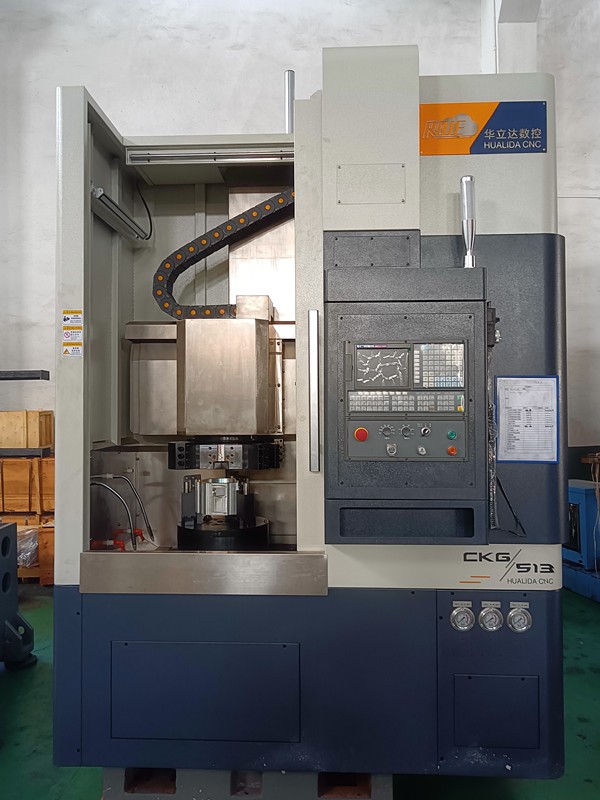
They should learn how to install and uninstall cutting tools correctly, ensuring that the tools are securely held in the tool holders. Additionally, operators need to be trained on workpiece setup, including how to mount the workpiece on the chuck or fixture, align it accurately, and secure it properly.
Tooling and setup training can be provided through practical demonstrations and hands - on exercises. Operators can practice setting up different types of workpieces and selecting the appropriate cutting tools under the supervision of experienced trainers.
5. Maintenance and Troubleshooting Training
To ensure the long - term performance and reliability of the heavy cutting vertical lathe, operators should also receive training on machine maintenance and troubleshooting.
They need to learn how to perform routine maintenance tasks, such as cleaning the machine, lubricating the moving parts, and checking the coolant level. Operators should also be trained on how to identify and diagnose common problems with the lathe, such as tool wear, spindle vibration, and electrical malfunctions.
By learning how to perform basic maintenance and troubleshooting tasks, operators can prevent minor issues from escalating into major problems, which can lead to costly downtime and repairs. Maintenance and troubleshooting training can be provided through a combination of theoretical instruction and practical hands - on experience.
6. Continuous Learning and Improvement
Training is not a one - time event but an ongoing process. As technology advances and new machining techniques are developed, operators need to continuously update their knowledge and skills.
We, as a Heavy Cutting Vertical Lathe supplier, can provide our customers with access to the latest training materials, such as online courses, webinars, and technical bulletins. We can also organize regular training workshops and seminars to keep operators up - to - date with the latest trends and best practices in heavy cutting vertical lathe operation.
Encouraging operators to participate in industry events and competitions can also help them gain exposure to new ideas and technologies, and improve their skills and knowledge.
7. On - the - Job Training and Mentoring
On - the - job training is an effective way to reinforce the theoretical knowledge and practical skills learned in the training program. New operators can be paired with experienced operators who can serve as mentors.
Mentors can provide real - time guidance and feedback to new operators, helping them to apply what they have learned in a real - world machining environment. They can also share their practical experience and tips on how to optimize machining processes and solve common problems.
On - the - job training should be structured and supervised to ensure that new operators are gradually exposed to more complex machining tasks as they gain confidence and proficiency.
Conclusion
Training operators to use a heavy cutting vertical lathe proficiently is a comprehensive process that requires a combination of theoretical knowledge, practical experience, and continuous learning. By following the strategies outlined in this blog, operators can become skilled and confident in operating our Heavy Cutting Vertical Lathes.
If you are interested in purchasing a heavy cutting vertical lathe or need more information about our training programs, please feel free to contact us for procurement and negotiation. We are committed to providing you with high - quality machines and excellent after - sales support.
References
- "CNC Machining Handbook"
- "Vertical Lathe Operation and Maintenance Guide"
- Industry - specific technical articles on heavy cutting vertical lathes