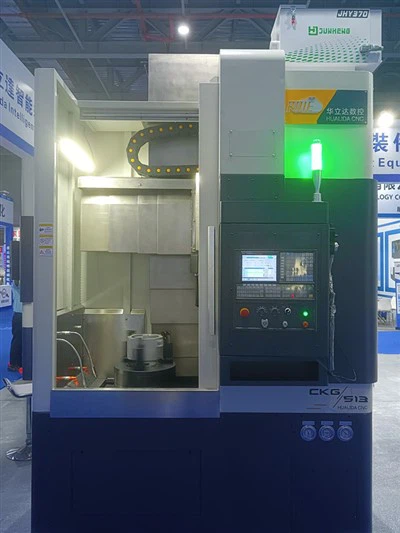
Upgrading the control system of a CNC turning and milling machine is a significant decision that can enhance the machine's performance, efficiency, and precision. As a trusted supplier of CNC Turning and Milling Machine Tools, I have witnessed firsthand the transformative impact of system upgrades on manufacturing operations. In this blog post, I will share some insights and practical steps on how to upgrade the control system of a CNC turning and milling machine.
Understanding the Need for an Upgrade
Before embarking on an upgrade, it is crucial to understand the specific reasons why you need to upgrade the control system. Some common indicators that an upgrade is necessary include:
- Outdated Technology: If your CNC machine is using an old control system that no longer supports the latest features and functions, upgrading can bring your machine up to date. For example, newer control systems may offer advanced programming capabilities, better connectivity, and improved user interfaces.
- Performance Issues: Frequent breakdowns, slow processing speeds, or inaccurate machining results can be signs of a deteriorating control system. Upgrading can improve the machine's reliability and performance, reducing downtime and increasing productivity.
- New Requirements: As your business grows and your manufacturing needs change, you may require additional features or capabilities from your CNC machine. A control system upgrade can help you meet these new requirements, such as multi-axis machining, complex contouring, or automation.
Assessing Your Machine and Requirements
Once you have identified the need for an upgrade, the next step is to assess your CNC turning and milling machine and your specific requirements. Here are some key factors to consider:
- Machine Compatibility: Not all control systems are compatible with every CNC machine. You need to ensure that the new control system you choose is compatible with your machine's hardware, including the spindle, motors, and drives. Consult the machine manufacturer or a professional technician for guidance on compatibility.
- Functionality Requirements: Determine the specific features and functions you need from the new control system. This may include advanced programming languages, toolpath optimization, real-time monitoring, or compatibility with CAD/CAM software. Make a list of your requirements to help you narrow down your options.
- Budget: Upgrading the control system of a CNC machine can be a significant investment. Establish a budget and consider the cost of the new control system, installation, training, and any additional hardware or software required. Compare prices from different suppliers to find the best value for your money.
Selecting the Right Control System
With so many control systems available on the market, choosing the right one for your CNC turning and milling machine can be a daunting task. Here are some tips to help you make an informed decision:
- Research and Compare: Conduct thorough research on different control systems and compare their features, performance, reliability, and price. Read product reviews and testimonials from other users to get an idea of their experiences.
- Supplier Reputation: Choose a reputable supplier with a proven track record in providing high-quality control systems and excellent customer support. Look for suppliers who offer technical assistance, training, and after-sales service.
- Compatibility and Integration: Ensure that the control system you choose is compatible with your existing machine and can be easily integrated with other equipment and software in your manufacturing environment. This will minimize downtime and ensure a smooth transition.
- Future Expansion: Consider the potential for future expansion and upgrades. Choose a control system that offers scalability and flexibility to accommodate your changing needs and technological advancements.
Planning the Upgrade Process
Once you have selected the right control system for your CNC turning and milling machine, it is time to plan the upgrade process. Here are some steps to follow:
- Create a Project Plan: Develop a detailed project plan that outlines the tasks, timelines, and resources required for the upgrade. Include milestones and deadlines to ensure that the project stays on track.
- Schedule Downtime: Coordinate with your production team to schedule the upgrade during a period of low production or maintenance to minimize disruption to your operations. Communicate the downtime schedule to all relevant stakeholders.
- Prepare the Machine: Before the upgrade, thoroughly clean and inspect the machine to ensure that it is in good working condition. Make any necessary repairs or adjustments to the hardware components.
- Backup Data: Back up all important data and programs from the existing control system to prevent data loss during the upgrade. This includes tool offsets, part programs, and machine settings.
- Install the New Control System: Follow the manufacturer's instructions carefully when installing the new control system. This may involve mounting the control panel, connecting the cables, and configuring the software settings.
- Test and Validate: After the installation is complete, conduct thorough testing and validation to ensure that the new control system is functioning properly. Run test programs, check the accuracy of the machining operations, and verify the connectivity with other equipment.
- Train Your Operators: Provide comprehensive training to your operators on how to use the new control system effectively. This may include training on programming, operation, maintenance, and troubleshooting.
Implementing the Upgrade
Once the planning phase is complete, it is time to implement the upgrade. Here are some best practices to follow:
- Follow Safety Procedures: Ensure that all safety procedures are followed during the upgrade process to prevent accidents and injuries. This may include wearing appropriate personal protective equipment (PPE) and following lockout/tagout procedures.
- Monitor the Upgrade Process: Keep a close eye on the upgrade process to ensure that everything is going smoothly. Address any issues or problems that arise immediately to minimize downtime.
- Document the Upgrade: Document the entire upgrade process, including the installation steps, configuration settings, test results, and any changes made to the machine. This documentation will be useful for future reference and maintenance.
- Provide Support and Training: Offer ongoing support and training to your operators to help them adapt to the new control system. Encourage them to provide feedback and suggestions for improvement.
Evaluating the Results
After the upgrade is complete, it is important to evaluate the results to determine the effectiveness of the upgrade. Here are some key performance indicators (KPIs) to consider:


- Productivity: Measure the increase in productivity by comparing the machining time, output volume, and throughput before and after the upgrade. Look for improvements in cycle times, tool change times, and overall efficiency.
- Quality: Evaluate the quality of the machined parts by comparing the dimensional accuracy, surface finish, and tolerance levels before and after the upgrade. Look for reductions in scrap rates and rework.
- Reliability: Monitor the machine's reliability by tracking the number of breakdowns, maintenance requirements, and downtime. Look for improvements in the mean time between failures (MTBF) and mean time to repair (MTTR).
- Cost Savings: Calculate the cost savings associated with the upgrade, including the reduction in labor costs, energy consumption, and tooling costs. Compare the total cost of ownership (TCO) before and after the upgrade.
Conclusion
Upgrading the control system of a CNC turning and milling machine is a strategic investment that can enhance the machine's performance, efficiency, and precision. By following the steps outlined in this blog post, you can ensure a smooth and successful upgrade process. As a leading supplier of CNC Turning and Milling and CNC Lathe and Milling Machine solutions, we are committed to providing our customers with the highest quality products and services. If you are considering upgrading the control system of your CNC machine, we would be happy to discuss your options and provide you with a customized solution that meets your specific needs. Contact us today to learn more and start the conversation about your next upgrade project.
References
- "CNC Machine Tool Control Systems: A Comprehensive Guide." Manufacturing.net.
- "Upgrading Your CNC Control System: What You Need to Know." Modern Machine Shop.
- "The Benefits of Upgrading Your CNC Machine's Control System." Precision Machining Technology Association.