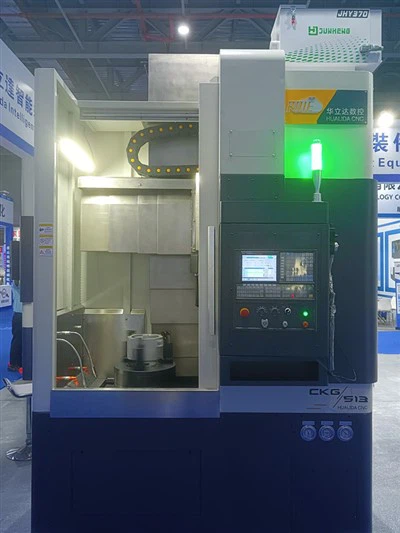
Hey there! As a supplier of CNC vertical grinding machines, I've got a lot to share about the communication interfaces available in these awesome pieces of equipment. Let's dive right in!
First off, why are communication interfaces so important in a CNC vertical grinding machine? Well, they're like the bridges that connect different parts of the machine and allow them to talk to each other. They also enable the machine to communicate with external devices, like computers or other manufacturing equipment. This communication is crucial for things like programming the machine, monitoring its performance, and making adjustments on the fly.
One of the most common communication interfaces you'll find in a CNC vertical grinding machine is the Ethernet interface. Ethernet is a widely used standard for networking, and it offers several advantages. For starters, it provides high - speed data transfer. This means that you can quickly send large programs to the machine or receive real - time data about its operation. It's also very reliable, and most modern computers and industrial devices support Ethernet connections. With an Ethernet interface, you can easily connect your CNC vertical grinding machine to a local area network (LAN) or even the internet. This allows for remote monitoring and control, which is super handy if you want to keep an eye on the machine's performance from anywhere in the world. For example, you can use a computer or a mobile device to check the status of a grinding operation, adjust settings, or troubleshoot issues without being physically present at the machine. You can find more about some of our related machines, like the CNC Vertical Grinding Compound Machine, which also benefit from Ethernet - based communication for seamless operation.
Another popular interface is the USB (Universal Serial Bus) interface. USB is well - known for its simplicity and widespread use. It's a plug - and - play interface, which means you can easily connect a USB drive or other USB - enabled devices to the CNC vertical grinding machine. This is great for transferring programs and data. For instance, if you've created a new grinding program on your computer, you can save it to a USB drive and then plug the drive into the machine. The machine can quickly read the program from the USB drive and start the grinding operation. USB interfaces are also useful for updating the machine's firmware. Manufacturers often release firmware updates to improve the machine's performance, add new features, or fix bugs. You can use a USB drive to transfer the firmware update to the machine and install it with just a few clicks.
RS - 232 is an older but still widely used communication interface in CNC vertical grinding machines. It's a serial communication protocol that has been around for a long time. RS - 232 is relatively simple and inexpensive to implement. It's often used for communication between the CNC controller and other devices, like a printer or a data collection system. For example, you can use an RS - 232 connection to send the grinding operation data to a printer for documentation purposes. However, RS - 232 has some limitations. It has a relatively low data transfer rate compared to Ethernet and USB, and the communication distance is limited. But for some basic communication tasks, it still gets the job done.
CAN (Controller Area Network) is another important interface in the world of CNC vertical grinding machines. CAN is a serial communication protocol that is designed for use in automotive and industrial applications. It's known for its high - speed, reliable communication and its ability to handle multiple devices on the same network. In a CNC vertical grinding machine, CAN can be used to connect different sensors and actuators within the machine. For example, you can use CAN to connect the sensors that measure the grinding wheel's speed, the workpiece's position, and the coolant level. The CNC controller can then receive data from these sensors in real - time and make adjustments to the grinding operation accordingly. CAN also supports fault tolerance, which means that if one device on the network fails, the other devices can still communicate with each other. This is important for ensuring the machine's reliability and safety.
Now, let's talk about fieldbus interfaces. Fieldbus is a family of industrial communication protocols that are used to connect field devices, like sensors, actuators, and controllers, in a manufacturing environment. There are several types of fieldbus protocols, such as Profibus, DeviceNet, and Modbus. These protocols offer different features and performance levels, and they are often chosen based on the specific requirements of the CNC vertical grinding machine. For example, Profibus is a popular fieldbus protocol in Europe. It offers high - speed communication and is suitable for connecting a large number of devices. DeviceNet is commonly used in North America and is known for its simplicity and cost - effectiveness. Modbus is a very widely used protocol that is easy to implement and supports a variety of devices. Fieldbus interfaces allow for seamless integration of the CNC vertical grinding machine into a larger manufacturing system. You can connect the machine to other equipment on the factory floor, like a conveyor belt or a robotic arm, and coordinate their operations for a more efficient manufacturing process. You can learn more about some of our machines that support fieldbus - based communication, such as the Fixed Beam CNC Vertical Milling Machine, which can be integrated into complex manufacturing setups.
In addition to these standard interfaces, some CNC vertical grinding machines also support proprietary communication interfaces. These interfaces are developed by the machine's manufacturer and are designed to provide unique features and functionality. For example, a manufacturer might develop a proprietary interface that allows for more advanced programming and control options. While proprietary interfaces can offer some advantages, they also have some drawbacks. They may not be compatible with other devices or systems, which can limit the machine's flexibility and interoperability.
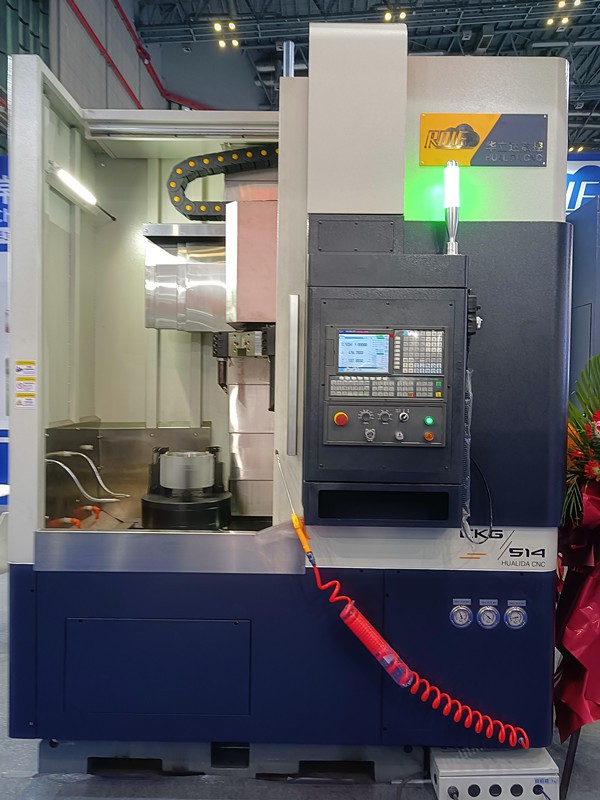

When choosing a CNC vertical grinding machine, it's important to consider the communication interfaces it offers. You need to think about your specific requirements, such as the type of data you need to transfer, the speed of communication, and the compatibility with other devices. If you plan to integrate the machine into a larger manufacturing system, you'll want to make sure it supports the appropriate fieldbus or Ethernet interfaces. If you just need to transfer programs and data occasionally, a USB or RS - 232 interface might be sufficient.
At our company, we understand the importance of having the right communication interfaces in our CNC vertical grinding machines. That's why we offer a wide range of machines with different interface options to meet the diverse needs of our customers. Whether you're a small - scale manufacturer looking for a simple and cost - effective machine or a large - scale industrial operation in need of a high - performance machine with advanced communication capabilities, we've got you covered. We also offer machines like the Turning and Grinding Compound Machine Tools, which come with state - of - the - art communication interfaces for seamless operation.
If you're interested in learning more about our CNC vertical grinding machines or have any questions about the communication interfaces, we'd love to hear from you. We're here to help you find the perfect machine for your needs and provide you with all the support you need. So, don't hesitate to reach out to us for a consultation and let's start a conversation about how we can take your manufacturing process to the next level.
References
- "CNC Machine Handbook"
- "Industrial Communication Protocols: Principles and Applications"
- "Automation Technology for Manufacturing Systems"