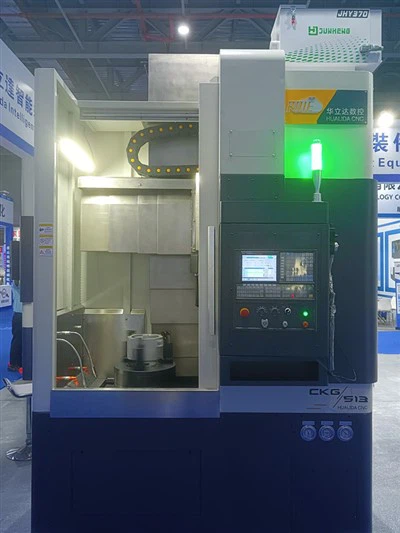
In the world of manufacturing, turning is a fundamental machining process used to create cylindrical parts. There are two primary methods of turning: manual turning and CNC (Computer Numerical Control) turning. As a supplier of CNC Turning and Milling, I have witnessed firsthand the differences between these two approaches, each with its own set of advantages and limitations.
1. Operation and Control
Manual Turning
Manual turning is a traditional machining method that relies on the skill and experience of the operator. The operator controls the movement of the cutting tool and the workpiece directly using hand - wheels and levers on the lathe. For example, to change the depth of cut, the operator has to turn a hand - wheel to move the tool post towards or away from the rotating workpiece. To control the feed rate, another hand - wheel is adjusted. This hands - on approach requires a high level of manual dexterity and a deep understanding of machining principles. The operator needs to constantly monitor the process, make real - time adjustments, and use their judgment to ensure the quality of the finished part.
CNC Turning
In contrast, CNC turning is an automated process. The machine is controlled by a computer program that contains a set of instructions specifying the movements of the cutting tool and the workpiece. These instructions are typically created using CAD (Computer - Aided Design) and CAM (Computer - Aided Manufacturing) software. Once the program is loaded into the CNC Lathe and Milling Machine, the machine can operate autonomously. The computer precisely controls the speed of the spindle, the feed rate of the tool, and the depth of cut. This automation reduces the need for constant operator intervention, allowing the operator to focus on other tasks such as quality control and tool management.
2. Precision and Accuracy
Manual Turning
The precision of manual turning largely depends on the skill of the operator. Even the most experienced machinists may have slight variations in their operations, which can lead to small errors in the finished part. The accuracy of manual turning is typically in the range of ±0.001 - 0.005 inches. Factors such as the operator's fatigue, the quality of the measuring tools, and the stability of the machine can all affect the final precision. For example, if an operator is tired after a long shift, they may not be able to make as precise adjustments as they would when fresh, resulting in a less accurate part.
CNC Turning
CNC turning offers much higher precision and accuracy. The computer - controlled system can execute commands with extremely high repeatability, typically achieving an accuracy of ±0.0001 - 0.0005 inches. Since the machine follows the same set of instructions every time, the parts produced are highly consistent. This makes CNC turning ideal for applications that require tight tolerances, such as aerospace and medical device manufacturing. For instance, in the production of aircraft engine components, the high precision of CNC turning ensures that the parts fit together perfectly, reducing the risk of mechanical failures.
3. Production Speed
Manual Turning
Manual turning is generally a slower process, especially for complex parts. The operator has to perform each operation step - by - step, which can be time - consuming. For example, if a part requires multiple cuts at different angles and depths, the operator has to make several adjustments to the machine settings between each cut. Additionally, the speed of manual turning is limited by the physical capabilities of the operator. As the operator gets tired, their working speed may also decrease.
CNC Turning
CNC turning can significantly improve production speed. Once the program is set up, the machine can run continuously at a high speed, performing multiple operations in a single setup. The machine can also change tools automatically, reducing the time spent on tool changes. For mass production, CNC turning can produce parts much faster than manual turning. For example, in the production of automotive parts, CNC turning can produce thousands of identical parts in a relatively short period, meeting the high - volume demands of the automotive industry.

4. Complexity of Parts
Manual Turning
Manual turning is suitable for relatively simple parts with basic geometries, such as straight cylinders, cones, and threads. The operator can easily visualize and execute the machining operations for these parts. However, when it comes to complex parts with irregular shapes, non - circular profiles, or multiple features, manual turning becomes extremely challenging. The operator may have to use special fixtures and techniques, which can be time - consuming and difficult to execute accurately.
CNC Turning
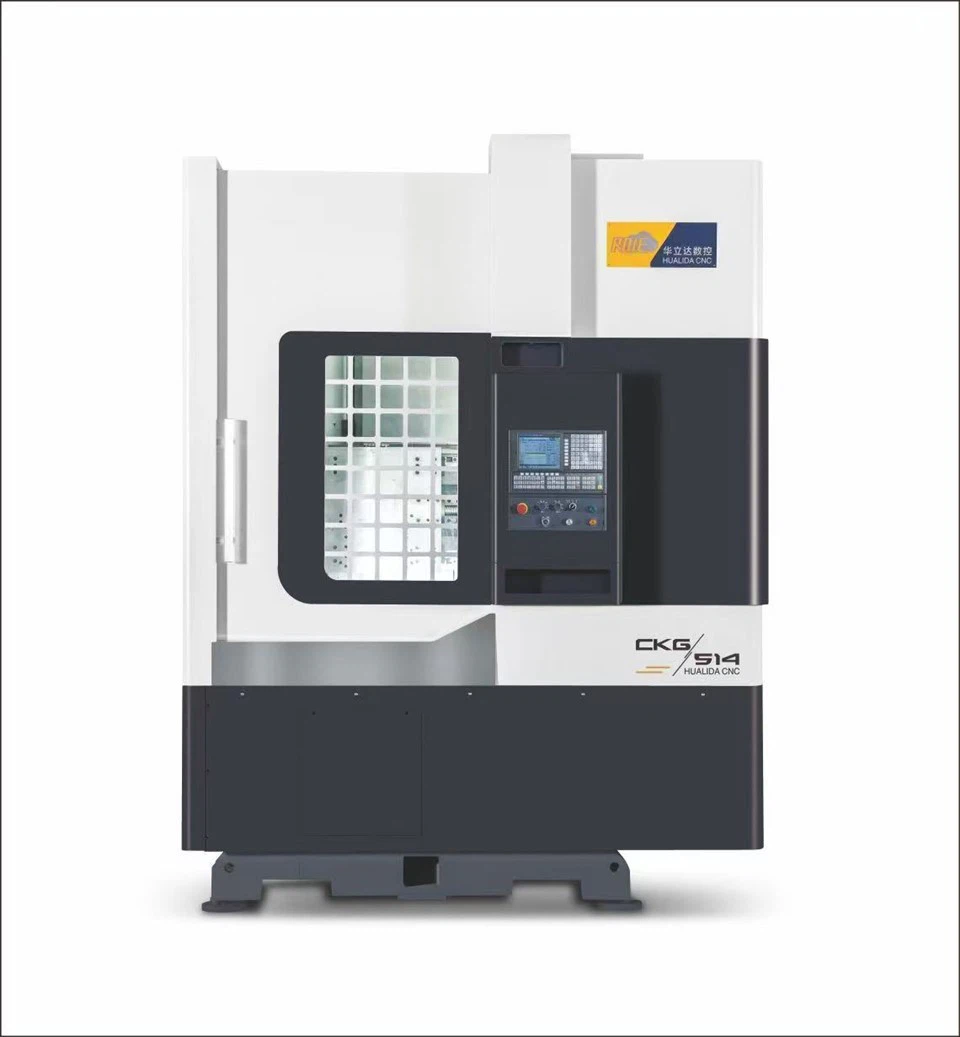
CNC turning excels in producing complex parts. The computer - controlled system can handle intricate geometries with ease. Using advanced programming techniques, the machine can create parts with complex curves, contours, and multiple features in a single setup. For example, in the production of turbine blades, which have complex aerodynamic shapes, CNC turning can precisely machine the blades according to the design specifications, something that would be nearly impossible to achieve with manual turning.
5. Cost
Manual Turning
Manual turning has lower initial investment costs. A manual lathe is generally less expensive than a CNC Turning and Milling Machine Tools. Additionally, there is no need to invest in expensive CAD/CAM software or hire highly - skilled programmers. However, the labor cost for manual turning is relatively high, as it requires a skilled operator. For small - scale production or one - off parts, manual turning can be a cost - effective option.
CNC Turning
CNC turning has a higher initial investment. The cost of a CNC lathe, along with the associated software and training, can be substantial. However, for large - scale production, the cost per part is often lower. The high production speed and low labor requirements of CNC turning offset the initial investment over time. Moreover, the high precision and quality of CNC - produced parts can reduce the cost of rework and scrap, further contributing to cost savings in the long run.
6. Flexibility
Manual Turning
Manual turning offers a high degree of flexibility. The operator can easily make on - the - fly adjustments to the machining process based on the actual situation. If a part has a slight variation from the design, the operator can modify the machining operations accordingly. This flexibility makes manual turning suitable for prototyping and small - batch production, where changes to the part design may be frequent.
CNC Turning
While CNC turning may seem less flexible at first glance, modern CNC machines are actually quite adaptable. The programs can be easily modified to accommodate changes in the part design. With the use of advanced CAM software, new programs can be generated quickly. However, setting up a new program and making major changes to the machining process may take some time, which makes CNC turning less suitable for very small - batch production with frequent design changes.
Conclusion
In conclusion, both manual and CNC turning have their own unique advantages and are suitable for different applications. Manual turning is a traditional and flexible method that is well - suited for simple parts, prototyping, and small - batch production. It relies on the skill and experience of the operator. On the other hand, CNC turning offers high precision, accuracy, production speed, and the ability to produce complex parts. It is ideal for mass production and applications that require tight tolerances.
As a supplier of CNC Turning and Milling, we understand the specific needs of our customers and can provide the most appropriate machining solutions. Whether you need a small number of simple parts or a large quantity of complex components, we have the expertise and equipment to meet your requirements. If you are interested in our products and services, we invite you to contact us for a detailed discussion on your project and to explore how we can help you achieve your manufacturing goals.
References
- Groover, M. P. (2010). Fundamentals of Modern Manufacturing: Materials, Processes, and Systems. Wiley.
- Kalpakjian, S., & Schmid, S. R. (2013). Manufacturing Engineering and Technology. Pearson.