


Yo, folks! As a supplier of Heavy Cutting Vertical Lathes, I've seen my fair share of challenges in the industry. One major headache that often crops up is electromagnetic interference (EMI). It can mess with the performance of these machines big time, leading to all sorts of issues like inaccurate cuts, malfunctions, and even safety hazards. So, in this blog, I'm gonna break down some effective EMI prevention measures for heavy cutting vertical lathes.
Understanding Electromagnetic Interference
First things first, let's get a grip on what EMI is. EMI is basically the disruption caused by electromagnetic radiation on an electrical circuit. In a heavy cutting vertical lathe, there are all kinds of electrical components, motors, and control systems. These can generate electromagnetic fields that interfere with each other or with other nearby equipment. There are two main types of EMI: conducted and radiated. Conducted EMI travels through power lines and signal cables, while radiated EMI spreads through the air like radio waves.
Shielding
One of the most common and effective ways to prevent EMI is shielding. We use shielding materials to create a barrier that blocks or reduces the electromagnetic fields. For example, we can use metal enclosures for the electrical components of the Heavy Cutting Vertical Lathe. These enclosures act like a Faraday cage, which traps the electromagnetic waves inside and prevents them from escaping and causing interference.
We also use shielded cables. These cables have a conductive layer around the inner wires, which helps to contain the electromagnetic fields generated by the current flowing through the wires. This reduces the chances of the fields interfering with other cables or components. When installing the shielded cables, it's important to make sure they are properly grounded. Grounding helps to divert the unwanted electrical charges and electromagnetic energy safely to the ground.
Grounding
Grounding is another crucial aspect of EMI prevention. A proper grounding system provides a low - resistance path for the electrical current to flow to the ground. In a heavy cutting vertical lathe, all the electrical components, including the motors, control panels, and sensors, should be grounded correctly. This helps to equalize the electrical potential between different parts of the machine and reduces the risk of electrical noise and interference.
We usually use a single - point grounding system. This means that all the grounding wires are connected to a single point, which is then connected to the main ground. This helps to avoid ground loops, which can be a major source of EMI. Ground loops occur when there are multiple paths for the electrical current to flow to the ground, creating a loop that can pick up and amplify electromagnetic interference.
Filtering
Filtering is a technique used to remove unwanted frequencies from the electrical signals. In a heavy cutting vertical lathe, we use filters in the power supply and signal lines. Power line filters are installed between the power source and the machine to remove high - frequency noise and interference from the incoming power. These filters typically consist of capacitors, inductors, and resistors arranged in a specific circuit configuration.

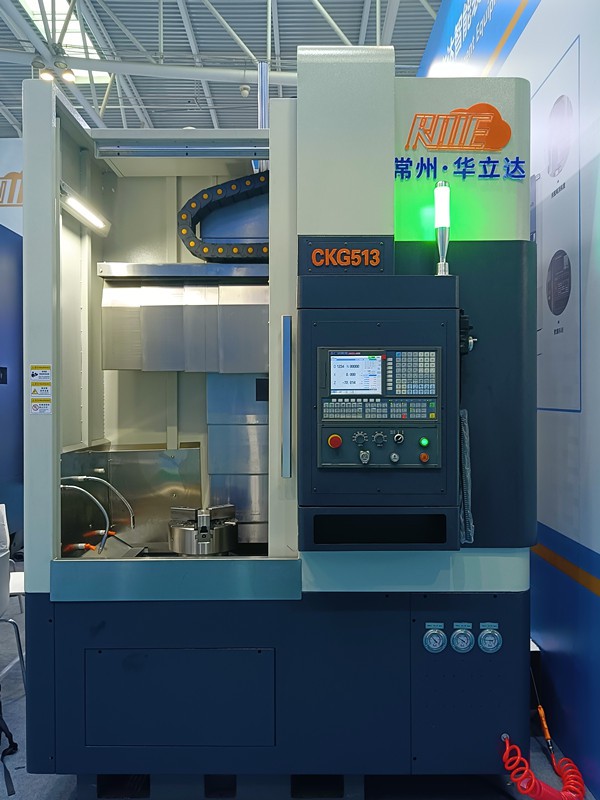
Signal line filters are used to clean up the signals transmitted between different components of the machine, such as sensors and control panels. They help to remove any unwanted electrical noise that could distort the signals and cause errors in the machine's operation. For example, if a sensor is sending a signal about the position of a cutting tool, a signal line filter can ensure that the signal is clear and accurate.
Component Placement
The way we place the electrical components in the Heavy Vertical Lathe can also have a big impact on EMI prevention. We try to keep sensitive components away from sources of electromagnetic interference, such as motors and transformers. Motors, especially high - power ones, can generate strong electromagnetic fields. So, we place them in a separate enclosure or at a sufficient distance from the control panels and sensors.
We also pay attention to the layout of the cables. Cables carrying high - frequency signals should be kept away from cables carrying low - frequency signals. This helps to prevent cross - talk, which is a form of interference where the signals from one cable bleed into another cable. Additionally, we try to minimize the length of the cables, as longer cables are more likely to pick up and transmit electromagnetic interference.
Software and Control System Design
In modern heavy cutting vertical lathes, the software and control systems play a vital role in preventing EMI. The control software can be designed to detect and compensate for any interference that may occur. For example, it can use algorithms to filter out noise from the sensor signals and adjust the machine's operation accordingly.
We also implement error - correction codes in the communication protocols between different components of the machine. These codes help to detect and correct any errors in the data transmission caused by EMI. This ensures that the machine operates accurately and reliably, even in the presence of some level of electromagnetic interference.
Testing and Certification
Before we ship out our Vertical Lathe Machine, we conduct rigorous EMI testing. We use specialized equipment to measure the electromagnetic emissions of the machine and check if they comply with the relevant international standards, such as the CISPR (International Special Committee on Radio Interference) standards.
If the machine fails to meet the standards, we go back and make the necessary adjustments, such as improving the shielding, grounding, or filtering. Once the machine passes the EMI testing, we can provide our customers with a certification that shows the machine meets the required electromagnetic compatibility (EMC) standards. This gives our customers peace of mind knowing that the machine will operate smoothly without causing or being affected by electromagnetic interference.
Conclusion
In conclusion, electromagnetic interference is a serious issue in heavy cutting vertical lathes, but there are several effective prevention measures we can take. By using shielding, grounding, filtering, proper component placement, and smart software design, we can significantly reduce the impact of EMI on the machine's performance.
At our company, we are committed to providing high - quality heavy cutting vertical lathes that are free from electromagnetic interference. We use the latest technologies and best practices to ensure that our machines meet the highest standards of reliability and accuracy.
If you're in the market for a heavy cutting vertical lathe and want to learn more about how we prevent EMI in our machines, or if you have any other questions, don't hesitate to reach out to us. We're always here to help you make the right choice for your machining needs. Let's start a conversation and see how we can work together to take your machining operations to the next level.
References
- "Electromagnetic Compatibility Engineering" by Henry W. Ott
- International Electrotechnical Commission (IEC) standards on electromagnetic compatibility
- CISPR publications on radio interference limits and measurement methods


