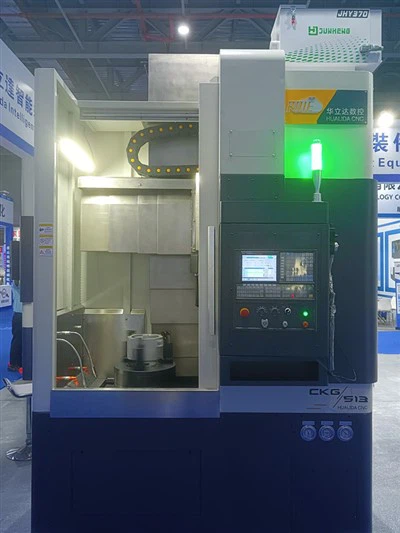
Troubleshooting the electrical system of a heavy vertical lathe can be a real headache, but don't worry! As a heavy vertical lathe supplier, I've dealt with my fair share of electrical issues over the years. In this blog, I'll share some tips and tricks on how to troubleshoot these problems like a pro.
Understanding the Basics
First things first, you need to have a basic understanding of the electrical system in a heavy vertical lathe. The electrical system consists of various components, including motors, controllers, sensors, and wiring. Each component plays a crucial role in the operation of the lathe, and any malfunction can lead to problems.
The main power source for the lathe is usually a three - phase electrical supply. The power is then distributed to different parts of the machine through a series of circuit breakers, contactors, and relays. The control system, often a CNC (Computer Numerical Control) unit, manages the operation of the lathe, such as spindle speed, feed rate, and tool movement.
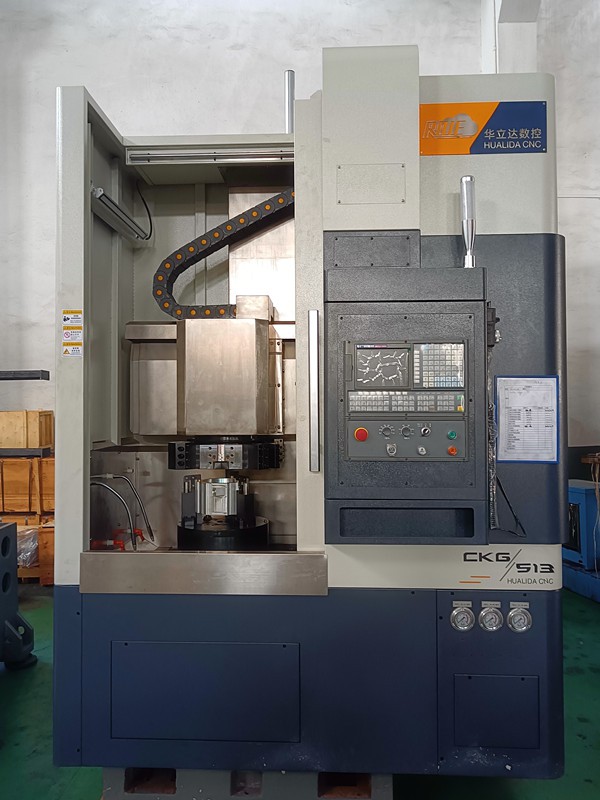

Common Electrical Problems
Let's start by looking at some of the most common electrical problems you might encounter with a heavy vertical lathe.
1. No Power
One of the most obvious problems is when the lathe won't turn on at all. This could be due to a tripped circuit breaker. Check the main electrical panel for any tripped breakers and reset them if necessary. Another possible cause is a blown fuse. Fuses are designed to protect the electrical system from over - current, and if there's a short circuit or an overload, the fuse will blow. Replace the blown fuse with one of the same rating.
2. Spindle Motor Issues
The spindle motor is the heart of the lathe, and any problems with it can seriously affect the performance. If the spindle motor won't start, it could be a problem with the motor itself, the motor controller, or the wiring. Check the motor for any visible signs of damage, such as burned insulation or loose connections. The motor controller might also have a fault code displayed. Refer to the controller's manual to diagnose and fix the issue.
3. Sensor Malfunctions
Sensors are used in the lathe to detect the position of the tools, the speed of the spindle, and other important parameters. If a sensor malfunctions, it can cause inaccurate machining or even safety issues. For example, if the tool position sensor is not working correctly, the lathe might not move the tool to the right position, leading to poor quality parts. Check the sensor for any physical damage and make sure it's properly connected. You may also need to calibrate the sensor according to the manufacturer's instructions.
4. Wiring Problems
Over time, the wiring in the lathe can become damaged due to vibration, heat, or wear and tear. Loose connections, frayed wires, or short circuits can all cause electrical problems. Inspect the wiring carefully, looking for any signs of damage. Tighten any loose connections and replace any damaged wires. It's also a good idea to label the wires properly to make it easier to troubleshoot in the future.
Troubleshooting Steps
Now that we've identified some common problems, let's go through the steps to troubleshoot the electrical system of a heavy vertical lathe.
Step 1: Safety First
Before you start any troubleshooting, make sure the lathe is turned off and unplugged from the power source. This will prevent any electrical shocks or other accidents. Wear appropriate safety gear, such as insulated gloves and safety glasses.
Step 2: Gather Information
Look for any error messages on the control panel. These messages can provide valuable clues about what's going wrong. Check the lathe's operating manual for a list of error codes and their meanings. Also, talk to the operator to find out if there were any unusual noises or behaviors before the problem occurred.
Step 3: Visual Inspection
As mentioned earlier, do a visual inspection of the electrical components. Check the circuit breakers, fuses, motors, sensors, and wiring for any visible signs of damage. Look for loose connections, burned parts, or any other obvious problems.
Step 4: Use Testing Equipment
If you don't find any obvious problems during the visual inspection, it's time to use some testing equipment. A multimeter is a handy tool for checking the voltage, current, and resistance in the electrical system. You can use it to test the power supply, the motor, and the sensors. For example, you can measure the voltage at the motor terminals to see if it's getting the right amount of power.
Step 5: Isolate the Problem
Once you've identified a potential problem area, try to isolate it. For example, if you suspect a problem with a particular sensor, disconnect it from the system and see if the problem persists. If the problem goes away, then the sensor is likely the culprit.
Step 6: Repair or Replace
After you've identified the faulty component, decide whether to repair or replace it. In some cases, a simple repair, such as tightening a loose connection or replacing a worn - out part, might be enough. In other cases, you may need to replace the entire component. Make sure to use high - quality replacement parts to ensure the long - term reliability of the lathe.
Resources for Further Help
If you're still having trouble troubleshooting the electrical system of your heavy vertical lathe, don't hesitate to reach out for help. You can contact the manufacturer's technical support team, who can provide you with more detailed guidance. There are also many online forums and communities where you can ask questions and get advice from other lathe users.
If you're in the market for a new heavy vertical lathe, we offer a wide range of options, including Heavy Cutting and Vertical Lathe, Hard Rail Vertical Lathe, and Large Cutting Vertical Lathe. Our lathes are known for their high quality, reliability, and advanced features.
If you're interested in purchasing a heavy vertical lathe or have any questions about our products, feel free to contact us for a purchase negotiation. We're here to help you find the right lathe for your needs.
References
- Manufacturer's operating manuals for heavy vertical lathes
- Electrical engineering textbooks on industrial electrical systems
- Online resources and forums for lathe users