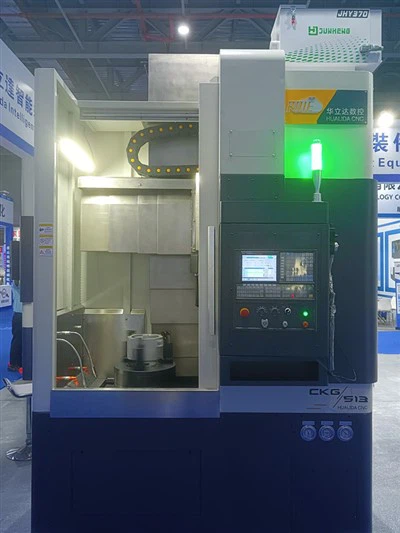
Selecting the right insert for CNC turning is crucial, especially when you're in the business of CNC Turning and Milling. As a supplier of CNC Lathe and Milling Machine and CNC Turning and Milling Machine Tools, I've seen firsthand how the wrong insert can mess up a project. So, let's dive into how you can pick the perfect insert for your CNC turning needs.
Understanding the Basics of Inserts
First off, what exactly are inserts? Inserts are the cutting tips used in CNC turning. They're made from different materials, each with its own set of properties that make it suitable for specific applications. The most common materials include carbide, ceramic, cubic boron nitride (CBN), and diamond.
Carbide inserts are the go - to for most general - purpose turning. They're tough, can handle a wide range of cutting speeds and feeds, and are relatively affordable. Ceramic inserts, on the other hand, are great for high - speed machining of hard materials. They have excellent heat resistance but are a bit more brittle, so you've got to be careful with them.
CBN inserts are used for machining extremely hard materials like hardened steels. They can withstand high temperatures and maintain their cutting edge for a long time. Diamond inserts are the top dogs when it comes to machining non - ferrous materials like aluminum and composites. They offer super - smooth finishes and high cutting speeds.
Consider the Material You're Cutting
The material you're turning is the first thing to consider when selecting an insert. Different materials have different hardness, toughness, and machinability. For example, if you're turning mild steel, a carbide insert with a general - purpose coating will work just fine. But if you're dealing with stainless steel, which is a lot tougher and has a tendency to work - harden, you'll need a more specialized insert.
Stainless steel generates a lot of heat during cutting, so you'll want an insert with good heat resistance. A carbide insert with a titanium aluminum nitride (TiAlN) coating can be a great choice. It can handle the high temperatures and also reduce friction, which helps to prevent built - up edge on the insert.
When it comes to non - ferrous materials like aluminum, you want an insert that won't react chemically with the material. Diamond inserts are ideal for this because they have a low chemical affinity with aluminum, which means they won't stick to the material and cause poor surface finishes.
Think About the Cutting Operation
The type of cutting operation you're performing also plays a big role in insert selection. Are you doing roughing or finishing? Roughing operations involve removing a large amount of material quickly, so you need an insert that can handle high cutting forces. A carbide insert with a strong cutting edge and a chipbreaker designed for heavy - duty roughing is a good option.
Finishing operations, on the other hand, require a different approach. You're looking for an insert that can produce a smooth surface finish. A smaller nose radius insert can help to reduce the scallop height on the workpiece, resulting in a better finish. Also, inserts with a polished cutting edge can minimize friction and improve the surface quality.
Cutting Parameters Matter
Cutting parameters such as cutting speed, feed rate, and depth of cut are closely related to insert selection. If you're running at high cutting speeds, you'll need an insert that can withstand the heat and stress. For example, ceramic inserts are well - suited for high - speed machining because of their excellent heat resistance.
The feed rate also affects the insert's performance. A higher feed rate means more material is being removed per revolution, which can put more stress on the insert. You'll need to choose an insert with a strong cutting edge and a chipbreaker that can handle the increased chip load.
The depth of cut is another important factor. A deeper cut requires an insert with a stronger cutting edge and a larger nose radius to prevent chipping. If you're making shallow cuts, you can use an insert with a smaller nose radius for better precision.
Insert Geometry and Coatings
Insert geometry is all about the shape and design of the insert. Different geometries are suitable for different applications. For example, a triangular insert is great for general - purpose turning, while a square insert can be used for facing and profiling.
Coatings are also a big deal. They can improve the insert's performance in many ways. A coated insert can reduce friction, increase wear resistance, and improve heat dissipation. Some common coatings include titanium nitride (TiN), titanium carbonitride (TiCN), and TiAlN. Each coating has its own unique properties, so you'll need to choose the one that best suits your application.
Toolholder Compatibility
Don't forget about the toolholder. The insert has to fit properly in the toolholder. Make sure the toolholder is designed to hold the insert securely and that it provides the right amount of support. A loose or misaligned insert can lead to poor cutting performance and even damage to the insert and the workpiece.
Cost - Benefit Analysis
Last but not least, you've got to think about the cost. While it might be tempting to go for the cheapest insert, that's not always the best option. Sometimes, spending a bit more on a high - quality insert can save you money in the long run. A better insert can last longer, reduce downtime for insert changes, and improve the overall quality of your work.
Do a cost - benefit analysis. Consider the cost of the insert, the cost of the machining time, and the cost of any potential rework due to poor surface finishes or dimensional inaccuracies.
Conclusion
Selecting the right insert for CNC turning is a complex process that involves considering the material you're cutting, the type of cutting operation, cutting parameters, insert geometry and coatings, toolholder compatibility, and cost. As a CNC Turning and Milling supplier, I've seen the importance of getting it right.
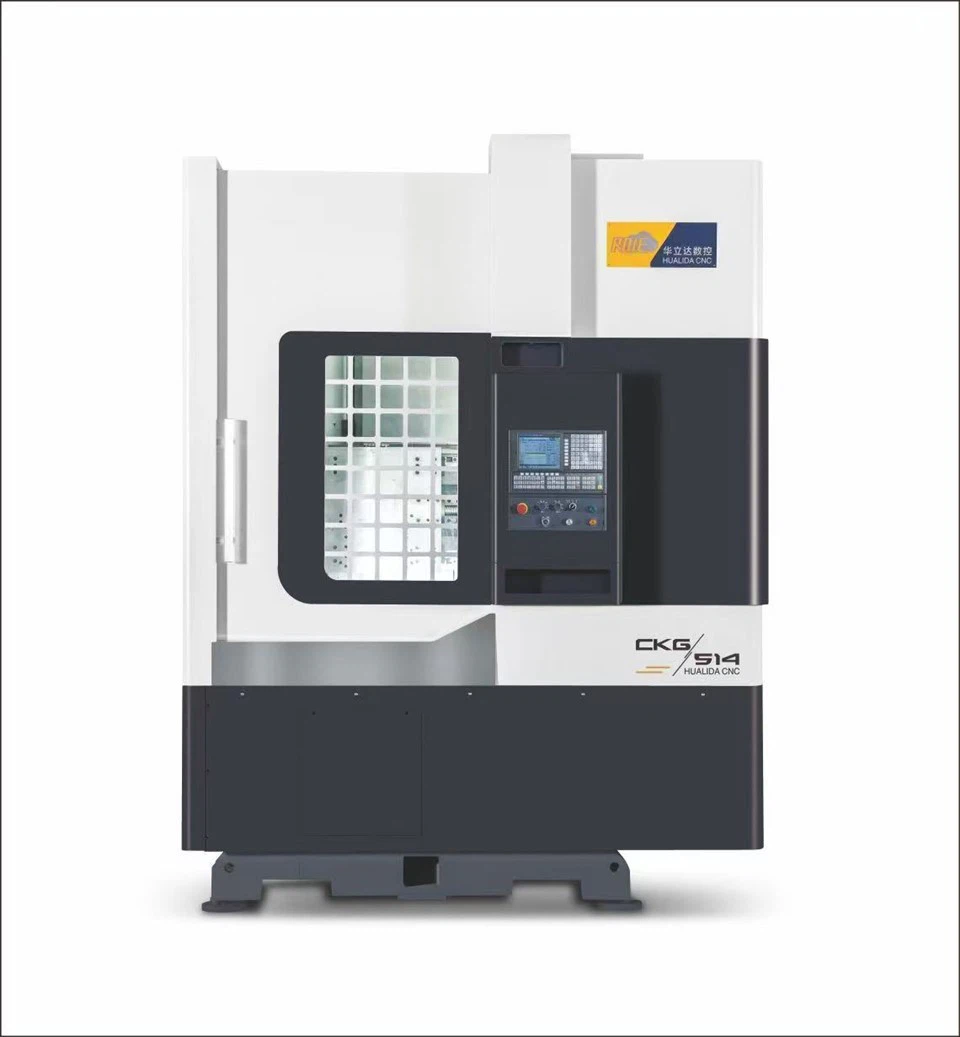

If you're still not sure which insert is best for your project, don't hesitate to reach out. We're here to help you make the right choice. Whether you're a small - scale workshop or a large - scale manufacturing plant, we can provide you with the right inserts and CNC Turning and Milling Machine Tools to meet your needs. Contact us to start a procurement discussion and take your CNC turning operations to the next level.
References
- "Metal Cutting Principles" by Paul K. Wright and David A. Dewhurst
- "CNC Machining Handbook" by Mark C. Albino