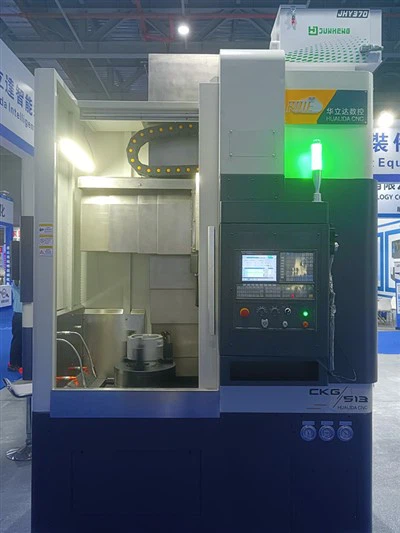
Hey there! As a supplier of Vertical Lathe Machines, I've had my fair share of questions about the different components of these powerful machines. One part that often gets overlooked but plays a super important role is the lead - screw. So, let's dive into what the lead - screw does in a vertical lathe machine.
What's a Lead - Screw Anyway?
First things first, what is a lead - screw? Well, it's a type of screw that's designed to convert rotational motion into linear motion. In a vertical lathe machine, it's like the behind - the - scenes hero that helps move different parts precisely where they need to go. Picture a big, long screw that turns and, as it does, makes other parts of the lathe move up, down, or side to side.
Precision Movement
One of the main jobs of the lead - screw in a vertical lathe machine is to provide precise movement. When you're working on a piece of metal or any other material in a vertical lathe, accuracy is key. The lead - screw helps the cutting tool move at a very specific rate. For example, if you're cutting a thread on a metal rod, the lead - screw makes sure that the tool moves along the rod at just the right speed and distance to create a perfect thread.
Let's say you're using a Heavy Vertical Lathe to work on a large and heavy workpiece. The lead - screw ensures that the cutting tool can move smoothly and precisely across the surface of the workpiece. This precision is crucial for creating high - quality products. If the lead - screw wasn't there or wasn't working properly, the cuts would be uneven, and the final product wouldn't meet the required standards.
Controlling Feed Rate
Another important role of the lead - screw is to control the feed rate. The feed rate is how fast the cutting tool moves into the workpiece. A well - functioning lead - screw allows you to adjust the feed rate according to the material you're working with and the type of cut you want to make.
For instance, when using a Large Cutting Vertical Lathe to cut through a thick piece of steel, you might need a slower feed rate. The lead - screw makes it possible to set this slower rate, so the cutting tool doesn't get damaged and can make a clean cut. On the other hand, if you're working on a softer material like aluminum, you can increase the feed rate with the help of the lead - screw to get the job done more quickly.

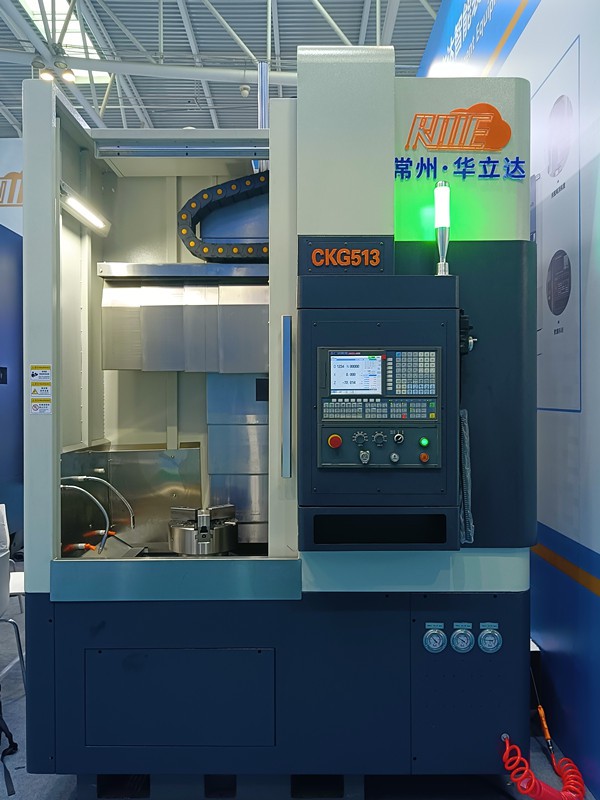
Power Transmission
The lead - screw also plays a part in power transmission. In a vertical lathe machine, there's a motor that provides the power. The lead - screw takes this rotational power from the motor and converts it into linear power that moves the different parts of the lathe.
Think of it like a chain reaction. The motor starts spinning, and the lead - screw takes that spinning motion and turns it into a straight - line movement. This is essential for making the cutting tool move and perform its job. Without the lead - screw, the power from the motor wouldn't be effectively transferred to the parts that need to move, and the lathe wouldn't work as it should.
Synchronization
In a vertical lathe, different parts need to work together in harmony. The lead - screw helps with synchronization. It ensures that the movement of the cutting tool is in sync with the rotation of the workpiece.
For example, when using a Heavy Cutting Vertical Lathe to cut a complex shape on a large workpiece, the lead - screw makes sure that the cutting tool moves at the right time and in the right direction as the workpiece rotates. This synchronization is vital for creating accurate and detailed cuts.
Maintenance and Its Impact on the Lead - Screw
Now, let's talk about maintenance. Just like any other part of a vertical lathe machine, the lead - screw needs proper care. If it's not maintained well, it can cause a whole bunch of problems.
Over time, the lead - screw can wear out. Dirt, debris, and lack of lubrication can speed up this wear. When the lead - screw starts to wear, the precision of the lathe's movement decreases. The cuts might become less accurate, and the feed rate might not be as consistent.
Regular cleaning and lubrication are essential for keeping the lead - screw in good shape. You also need to check for any signs of damage or excessive wear. If you notice any issues, it's important to address them right away. Otherwise, it could lead to more serious problems with the entire vertical lathe machine.
Conclusion and Call to Action
So, as you can see, the lead - screw is a crucial component in a vertical lathe machine. It's responsible for precision movement, controlling the feed rate, power transmission, and synchronization. Without a properly functioning lead - screw, a vertical lathe wouldn't be able to produce high - quality products.
If you're in the market for a vertical lathe machine or need to replace some parts like the lead - screw, we're here to help. We're a trusted supplier of vertical lathe machines, and we can offer you the best products and support. Whether you need a Heavy Vertical Lathe, a Large Cutting Vertical Lathe, or a Heavy Cutting Vertical Lathe, we've got you covered. Contact us to start a discussion about your specific needs and let's work together to get the perfect vertical lathe solution for your business.
References
- Machine Tool Handbook, various editions
- Technical manuals of vertical lathe machines
- Industry research papers on precision machining and lead - screw technology