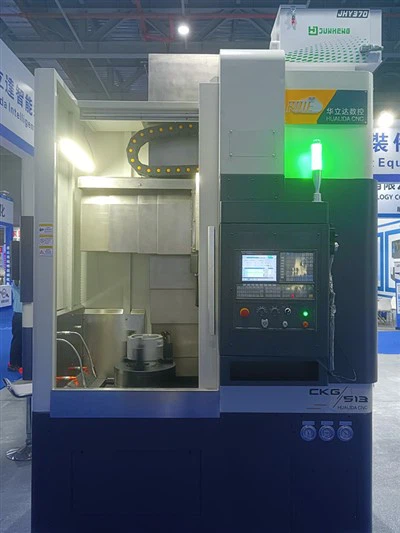
In the world of precision machining, high-speed vertical lathes stand as crucial equipment, offering unparalleled efficiency and accuracy in turning operations. One of the key aspects that determine the performance and productivity of these machines is the feeding system. As a reputable supplier of high-speed vertical lathes, I am excited to delve into the various feeding systems employed in these advanced machines.
Types of Feeding Systems in High-Speed Vertical Lathes
1. Manual Feeding System
The manual feeding system is the most basic and traditional method of controlling the movement of the cutting tool in a vertical lathe. Operators use handwheels or levers to adjust the position of the tool along the X and Z axes. This system provides a high level of control and is particularly useful for small-scale production or when intricate operations require human intervention.
However, manual feeding has its limitations. It is time-consuming and labor-intensive, making it less suitable for high-volume production. Moreover, the accuracy of the cuts depends heavily on the skill and experience of the operator, which can lead to inconsistencies in the finished products.
2. Mechanical Feeding System
Mechanical feeding systems utilize gears, belts, and other mechanical components to transmit power from the machine's motor to the tool carriage. These systems offer a more automated approach compared to manual feeding, allowing for faster and more consistent tool movements.
One of the advantages of mechanical feeding systems is their reliability. They are relatively simple in design and require minimal maintenance, making them a cost-effective option for many manufacturers. However, they may lack the precision and flexibility of more advanced feeding systems, especially when dealing with complex machining tasks.
3. Hydraulic Feeding System
Hydraulic feeding systems rely on hydraulic pressure to drive the movement of the tool carriage. These systems offer several advantages, including high power density, smooth and precise movements, and the ability to handle heavy loads.
Hydraulic feeding systems are commonly used in high-speed vertical lathes for large-scale production, where high productivity and accuracy are essential. They can be easily adjusted to provide different feed rates and forces, allowing for greater flexibility in machining operations. However, hydraulic systems can be complex and expensive to install and maintain, and they require a reliable source of hydraulic fluid.
4. Servo Feeding System
Servo feeding systems are the most advanced and widely used feeding systems in modern high-speed vertical lathes. These systems use servo motors to control the movement of the tool carriage, providing precise and accurate positioning.
Servo motors are capable of responding quickly to changes in commands, allowing for high-speed and high-precision machining. They can be programmed to follow complex paths and perform intricate operations with ease. Additionally, servo feeding systems can be integrated with the machine's CNC control system, enabling seamless automation and optimization of the machining process.
One of the key advantages of servo feeding systems is their flexibility. They can be easily adjusted to meet the specific requirements of different machining tasks, and they offer a high level of repeatability and accuracy. However, servo systems can be more expensive than other feeding systems, and they require a sophisticated control system to operate effectively.
Factors Affecting the Choice of Feeding System
When selecting a feeding system for a high-speed vertical lathe, several factors need to be considered, including:
1. Production Volume
The production volume is one of the most important factors to consider when choosing a feeding system. For high-volume production, automated feeding systems such as servo or hydraulic systems are preferred, as they offer high productivity and efficiency. On the other hand, for small-scale production or prototyping, manual or mechanical feeding systems may be more suitable, as they provide greater control and flexibility.
2. Machining Accuracy
The required machining accuracy is another crucial factor. If high precision is required, servo feeding systems are the best choice, as they offer the highest level of accuracy and repeatability. Hydraulic feeding systems can also provide good accuracy, but they may be less precise than servo systems. Manual and mechanical feeding systems are generally less accurate and are more suitable for less demanding applications.
3. Complexity of Machining Tasks
The complexity of the machining tasks also plays a role in the choice of feeding system. For simple turning operations, manual or mechanical feeding systems may be sufficient. However, for more complex operations such as contouring, threading, or milling, servo or hydraulic feeding systems are required to provide the necessary precision and flexibility.
4. Cost
Cost is always a consideration when purchasing a high-speed vertical lathe. Manual and mechanical feeding systems are generally the most cost-effective options, while servo and hydraulic feeding systems are more expensive. However, the higher cost of these advanced systems is often justified by their superior performance and productivity.
Our High-Speed Vertical Lathes and Feeding Systems
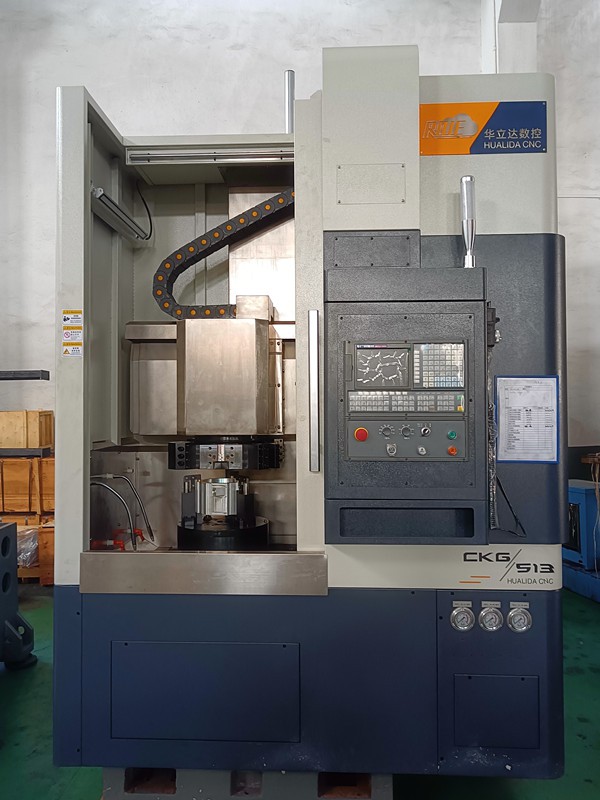
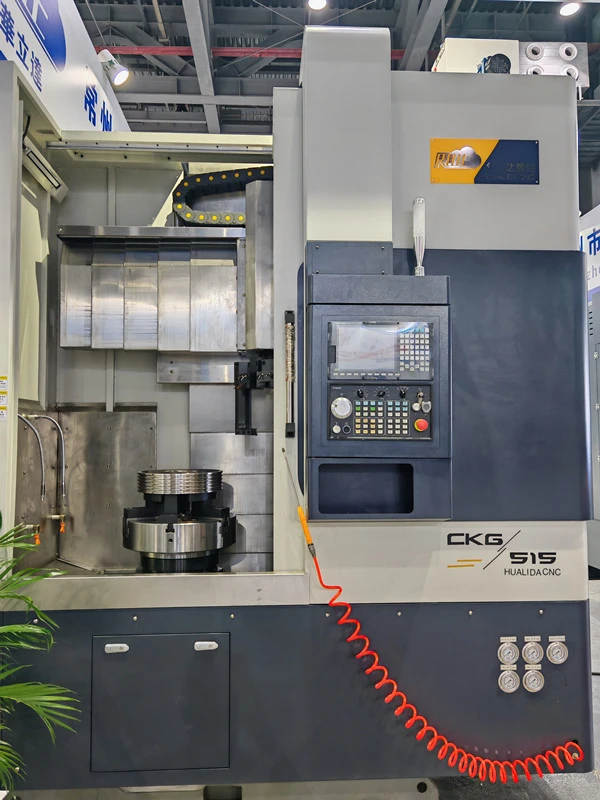
At our company, we offer a wide range of high-speed vertical lathes equipped with different feeding systems to meet the diverse needs of our customers. Our CKG5110 CNC Vertical Lathe is a popular choice for small to medium-sized production, featuring a servo feeding system for precise and efficient machining.
For larger-scale production, our CNC Vertical Turning Lathe is available with either a hydraulic or servo feeding system, depending on the specific requirements of the application. These machines are designed to handle heavy loads and provide high productivity, making them ideal for industries such as automotive, aerospace, and machinery manufacturing.
We also offer New CNC Vertical Lathe models that incorporate the latest technologies and features, including advanced servo feeding systems and intelligent control systems. These machines are capable of performing complex machining tasks with high precision and efficiency, helping our customers stay competitive in the global market.
Conclusion
The feeding system is a critical component of a high-speed vertical lathe, directly affecting its performance, productivity, and accuracy. By understanding the different types of feeding systems available and the factors to consider when choosing one, manufacturers can make an informed decision that best suits their specific needs.
As a leading supplier of high-speed vertical lathes, we are committed to providing our customers with the highest quality machines and feeding systems. Our team of experts is always available to assist you in selecting the right machine and feeding system for your application, and to provide comprehensive after-sales support.
If you are interested in learning more about our high-speed vertical lathes or would like to discuss your specific requirements, please do not hesitate to contact us. We look forward to the opportunity to work with you and help you achieve your machining goals.
References
- "Machine Tool Practices" by Robert L. Norton
- "CNC Programming Handbook" by Peter Smid
- "Fundamentals of Modern Manufacturing: Materials, Processes, and Systems" by Mikell P. Groover