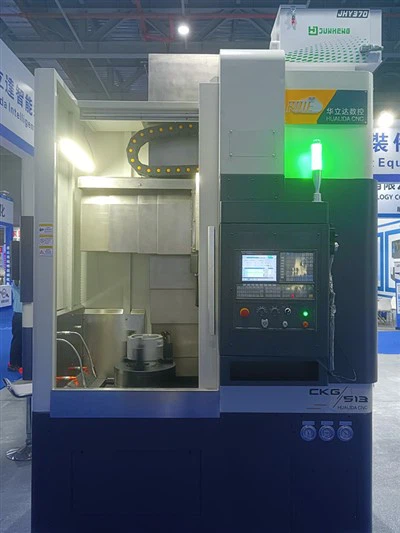
As a supplier of Large Cutting Vertical Lathes, I've witnessed firsthand the importance of cutting quality in machining operations. A high-quality cut not only ensures the precision and accuracy of the finished product but also enhances productivity and reduces waste. In this blog, I'll share some effective methods to improve the cutting quality of a Large Cutting Vertical Lathe.
1. Machine Selection and Maintenance
- Choose the Right Machine: Selecting a suitable Large Cutting Vertical Lathe is the first step. Consider factors such as the machine's power, rigidity, and precision. Our Heavy Cutting and Vertical Lathe is designed for heavy-duty cutting tasks, providing high torque and stability. It has a robust structure that can withstand large cutting forces, ensuring consistent cutting quality.
- Regular Maintenance: Proper maintenance is crucial for the long - term performance of the lathe. Regularly check and lubricate all moving parts, such as the spindle, slides, and lead screws. Inspect the cutting tools and replace them when they are worn. A well - maintained machine will have fewer vibrations and better accuracy, which directly impacts the cutting quality. For example, if the spindle bearings are not lubricated properly, it can cause uneven rotation and lead to poor surface finish on the workpiece.
2. Cutting Tool Selection and Geometry
- Appropriate Tool Material: The choice of cutting tool material depends on the workpiece material. For example, when machining hard materials like stainless steel or titanium, carbide tools are a good option due to their high hardness and wear resistance. High - speed steel (HSS) tools are more suitable for softer materials. Our company offers a wide range of cutting tools that are specifically designed for different workpiece materials, ensuring optimal cutting performance.
- Optimal Tool Geometry: The geometry of the cutting tool, including the rake angle, clearance angle, and cutting edge radius, has a significant impact on the cutting quality. A proper rake angle can reduce cutting forces and improve chip formation. For instance, a positive rake angle is suitable for machining soft materials as it reduces the cutting force and makes the cutting process smoother. On the other hand, a negative rake angle is often used for hard materials to increase the tool's strength.
3. Cutting Parameters Optimization
- Cutting Speed: The cutting speed is the speed at which the cutting edge of the tool moves relative to the workpiece. It is one of the most important cutting parameters. A too - low cutting speed can result in built - up edge formation, which deteriorates the surface finish. A too - high cutting speed can cause excessive tool wear and even tool breakage. By referring to the tool manufacturer's recommendations and conducting some trial cuts, you can determine the optimal cutting speed for your specific workpiece and tool combination.
- Feed Rate: The feed rate is the distance the tool advances into the workpiece per revolution of the spindle. A proper feed rate is essential for achieving a good surface finish. A high feed rate can lead to a rough surface, while a low feed rate may reduce productivity. You need to balance the feed rate with the cutting speed and the depth of cut to get the best results.
- Depth of Cut: The depth of cut is the thickness of the material removed in each pass. A larger depth of cut can increase productivity but may also increase cutting forces and vibrations. You should choose an appropriate depth of cut based on the machine's power, the tool's strength, and the workpiece's material and geometry.
4. Workpiece Fixturing
- Secure Workpiece Holding: A stable workpiece fixture is essential for accurate cutting. If the workpiece is not held securely, it can move during the cutting process, resulting in poor dimensional accuracy and surface finish. Use appropriate fixtures such as chucks, vises, or custom - made fixtures to hold the workpiece firmly. Make sure the fixture is properly aligned with the machine's axis to ensure concentricity and parallelism.
- Minimize Vibration: Vibration can have a negative impact on the cutting quality. To minimize vibration, use anti - vibration pads or dampers. Also, make sure the workpiece is balanced if it is a rotating part. For example, in a large - diameter workpiece, any imbalance can cause significant vibrations during high - speed cutting, leading to poor surface finish and dimensional errors.
5. Operator Skill and Training
- Skilled Operators: An experienced and skilled operator is crucial for achieving high - quality cuts. Operators should have a good understanding of the machine's operation, cutting parameters, and tool selection. They should be able to identify and troubleshoot problems during the cutting process. Our company provides training programs for operators to improve their skills and knowledge.
- Continuous Learning: The field of machining is constantly evolving, with new technologies and techniques emerging. Encourage operators to participate in training courses and workshops to keep up with the latest trends. This will enable them to apply the most advanced methods to improve the cutting quality.
6. Quality Control and Inspection
- In - process Inspection: Conduct in - process inspections to monitor the cutting quality. Use measuring tools such as calipers, micrometers, and surface roughness testers to check the dimensions and surface finish of the workpiece during the cutting process. If any deviations are detected, adjustments can be made immediately to ensure the final product meets the quality requirements.
- Final Inspection: After the cutting process is completed, perform a final inspection of the workpiece. Compare the actual dimensions and surface finish with the design specifications. If there are any non - conformities, analyze the causes and take corrective actions for future production.
In conclusion, improving the cutting quality of a Large Cutting Vertical Lathe requires a comprehensive approach that includes machine selection and maintenance, cutting tool selection and geometry, cutting parameters optimization, workpiece fixturing, operator skill and training, and quality control and inspection. By implementing these methods, you can achieve high - precision, high - quality cuts, which will enhance your competitiveness in the market.

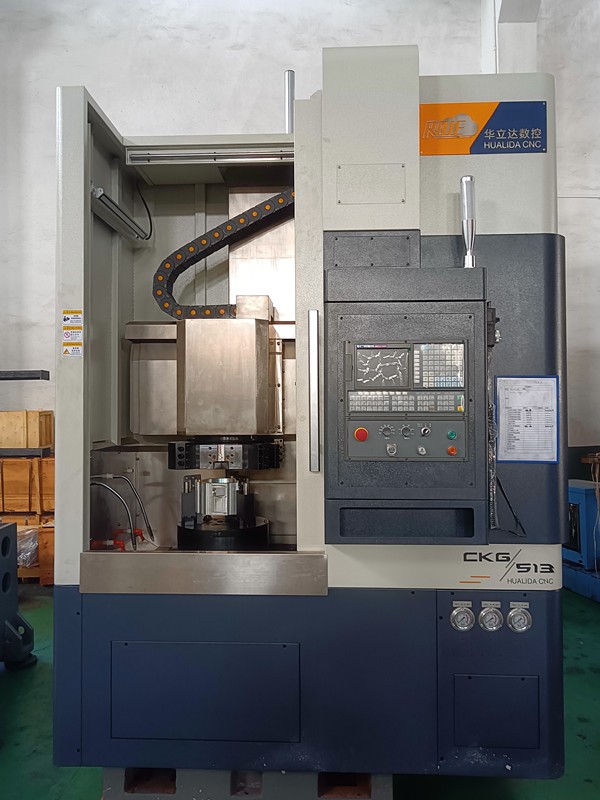
If you are interested in our Vertical Lathe Machine or Hard Rail Vertical Lathe, or if you have any questions about improving cutting quality, please feel free to contact us for further discussion and procurement negotiation.
References
- Kalpakjian, S., & Schmid, S. R. (2013). Manufacturing Engineering and Technology. Pearson.
- Trent, E. M., & Wright, P. K. (2000). Metal Cutting. Butterworth - Heinemann.