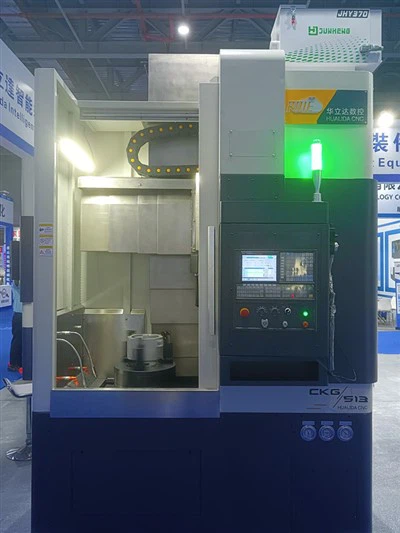
In the realm of precision manufacturing, Computer Numerical Control (CNC) lathes stand as stalwarts, offering unparalleled accuracy and efficiency in shaping a wide array of materials. As a reputable supplier of CNC Lathe and Milling Machine, I understand the critical role that proper tooling plays in maximizing the capabilities of these machines. In this blog post, I will delve into the essential tooling requirements for a CNC lathe, exploring the various types of tools, their functions, and the factors to consider when selecting them.
Cutting Tools
Cutting tools are the heart of any CNC lathe operation, responsible for removing material from the workpiece to achieve the desired shape and dimensions. There are several types of cutting tools commonly used in CNC lathes, each designed for specific applications:
Turning Inserts
Turning inserts are replaceable cutting tips that are clamped onto a toolholder. They are available in a variety of shapes, sizes, and materials, depending on the type of material being machined and the desired cutting operation. Carbide inserts are the most commonly used type, offering high hardness, wear resistance, and heat resistance. Ceramic inserts are also popular for high-speed machining applications, providing excellent thermal stability and cutting performance.
Boring Bars
Boring bars are used to enlarge existing holes or create internal features in a workpiece. They consist of a shank and a cutting tip, which can be either a single-point or a multi-point insert. Boring bars come in various lengths and diameters, and they can be used for both roughing and finishing operations.
Drill Bits
Drill bits are used to create holes in a workpiece. They are available in a range of sizes and styles, including twist drills, center drills, and gun drills. Twist drills are the most commonly used type, suitable for general-purpose drilling applications. Center drills are used to create a starting point for drilling, while gun drills are used for deep-hole drilling operations.
Threading Tools
Threading tools are used to create threads on a workpiece. They can be either single-point or multi-point inserts, depending on the type of thread being cut. Single-point threading tools are used for cutting external threads, while multi-point threading tools are used for cutting internal threads.
Toolholders
Toolholders are used to hold the cutting tools in place on the CNC lathe. They provide a secure and rigid connection between the tool and the machine, ensuring accurate and consistent cutting performance. There are several types of toolholders commonly used in CNC lathes, including:
Quick-Change Toolholders
Quick-change toolholders allow for rapid tool changes, reducing setup time and increasing productivity. They typically use a modular design, with a base holder that mounts to the lathe turret and a tool-specific insert that can be easily swapped out.
Indexable Toolholders
Indexable toolholders use replaceable cutting inserts, which can be rotated or indexed to expose a fresh cutting edge when the current edge becomes worn. This extends the tool life and reduces tooling costs.
Boring Bar Holders
Boring bar holders are designed to hold boring bars securely in place. They come in various styles and sizes, depending on the length and diameter of the boring bar.
Drill Chuck Holders
Drill chuck holders are used to hold drill bits in place. They provide a secure and concentric grip on the drill bit, ensuring accurate drilling operations.
Workholding Devices
Workholding devices are used to secure the workpiece in place on the CNC lathe. They provide a stable and rigid platform for machining, ensuring accurate and consistent results. There are several types of workholding devices commonly used in CNC lathes, including:
Chucks
Chucks are the most commonly used workholding devices in CNC lathes. They come in various types, including three-jaw chucks, four-jaw chucks, and collet chucks. Three-jaw chucks are self-centering, making them ideal for holding round or hexagonal workpieces. Four-jaw chucks are non-self-centering, allowing for greater flexibility in holding irregularly shaped workpieces. Collet chucks are used for holding small-diameter workpieces with high precision.
Vises
Vises are used to hold rectangular or square workpieces in place. They come in various types, including mechanical vises, hydraulic vises, and pneumatic vises. Mechanical vises are the most commonly used type, providing a simple and cost-effective solution for workholding. Hydraulic and pneumatic vises offer greater clamping force and faster operation, making them suitable for high-production applications.
Mandrels
Mandrels are used to hold cylindrical workpieces in place. They come in various types, including solid mandrels, expanding mandrels, and collet mandrels. Solid mandrels are used for holding workpieces with a tight fit, while expanding mandrels and collet mandrels are used for holding workpieces with a loose fit.
Coolant Systems
Coolant systems are used to remove heat and chips from the cutting zone during machining operations. They help to improve tool life, reduce cutting forces, and improve surface finish. There are several types of coolant systems commonly used in CNC lathes, including:

Flood Coolant Systems
Flood coolant systems are the most commonly used type, providing a continuous flow of coolant to the cutting zone. They consist of a coolant tank, a pump, and a delivery system, which can be either a nozzle or a flood bar. Flood coolant systems are suitable for most machining applications, providing effective cooling and chip removal.
Mist Coolant Systems
Mist coolant systems use a fine mist of coolant to lubricate and cool the cutting zone. They are typically used for high-speed machining applications, where the use of a flood coolant system may cause excessive heat buildup. Mist coolant systems are more environmentally friendly than flood coolant systems, as they use less coolant and produce less waste.
Through-Tool Coolant Systems
Through-tool coolant systems deliver coolant directly to the cutting edge of the tool through internal passages in the toolholder. They provide excellent cooling and chip removal, especially for deep-hole drilling and boring operations. Through-tool coolant systems are more expensive than flood coolant systems, but they offer significant advantages in terms of tool life and machining performance.
Factors to Consider When Selecting Tooling
When selecting tooling for a CNC lathe, there are several factors to consider, including:
Material Being Machined
The type of material being machined will determine the type of cutting tool and toolholder required. Different materials have different properties, such as hardness, toughness, and heat resistance, which can affect the cutting performance and tool life. For example, carbide inserts are suitable for machining most materials, while ceramic inserts are better suited for high-speed machining of hard materials.
Cutting Operation
The type of cutting operation being performed will also determine the type of cutting tool and toolholder required. Different cutting operations, such as turning, boring, drilling, and threading, require different types of tools and toolholders. For example, a turning operation may require a turning insert and a toolholder, while a boring operation may require a boring bar and a boring bar holder.
Machine Specifications
The specifications of the CNC lathe, such as the spindle speed, feed rate, and power, will also affect the selection of tooling. The cutting tool and toolholder must be compatible with the machine's specifications to ensure safe and efficient operation. For example, a high-speed machining operation may require a toolholder with a high-speed rating, while a heavy-duty machining operation may require a toolholder with a high clamping force.
Cost
The cost of the tooling is also an important factor to consider. Tooling can be a significant investment, especially for high-end CNC lathes. It is important to balance the cost of the tooling with the expected tool life and machining performance. For example, a more expensive cutting tool may offer longer tool life and better cutting performance, but it may also require a higher initial investment.
Conclusion
In conclusion, the tooling requirements for a CNC lathe are essential for achieving accurate and efficient machining operations. By selecting the right cutting tools, toolholders, workholding devices, and coolant systems, you can maximize the capabilities of your CNC lathe and improve your productivity and profitability. As a supplier of CNC Lathe and Milling Machine, I offer a wide range of high-quality tooling solutions to meet your specific needs. If you have any questions or need assistance in selecting the right tooling for your CNC lathe, please do not hesitate to contact me. I would be happy to help you find the best tooling solutions for your machining applications.
If you are interested in exploring our CNC Turning and Milling services or purchasing CNC Turning and Milling Machine Tools, we invite you to get in touch with us. Our team of experts is ready to assist you with your procurement needs and provide you with detailed information about our products and services. Let's start a discussion and find the perfect solutions for your manufacturing requirements.
References
- "CNC Machining Handbook" by Peter Zelinski
- "Tooling for CNC Lathes" by John Doe
- "Workholding in CNC Machining" by Jane Smith