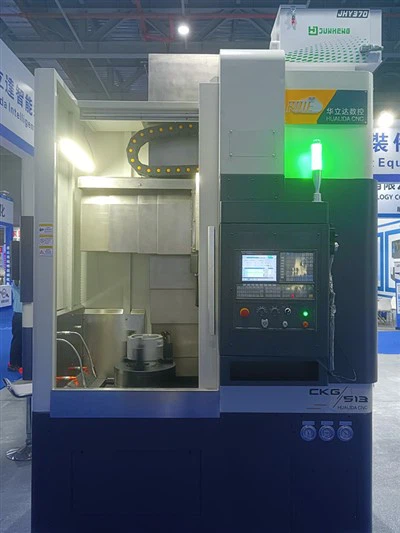
Hey there! As a supplier of CNC Lathe and Milling Machine, I've seen firsthand how vibrations can mess up the performance of a CNC lathe. In this blog, I'm gonna share some of the vibration control methods that can make a real difference in your machining operations.
Why Vibration Control Matters in CNC Lathes
Before we dive into the methods, let's quickly talk about why vibration control is so important. When a CNC lathe vibrates during operation, it can lead to a bunch of problems. First off, it affects the surface finish of the workpiece. Instead of getting a smooth, precise finish, you might end up with rough patches or even chatter marks. This is a big no - no, especially if you're making parts that need to meet high - quality standards.
Secondly, vibration can cause premature wear and tear on the cutting tools. The constant shaking puts extra stress on the tools, which means they'll break down faster and need to be replaced more often. And let's face it, tool replacement can be a costly affair.
Finally, excessive vibration can also reduce the accuracy of the machining process. If the lathe is vibrating, it's harder to achieve the tight tolerances that many modern manufacturing applications require. So, keeping vibrations in check is crucial for getting the best results from your CNC lathe.
Vibration Control Methods
1. Machine Design and Construction
The first line of defense against vibrations starts with the design and construction of the CNC lathe itself. A well - designed machine is built to minimize vibrations from the get - go.

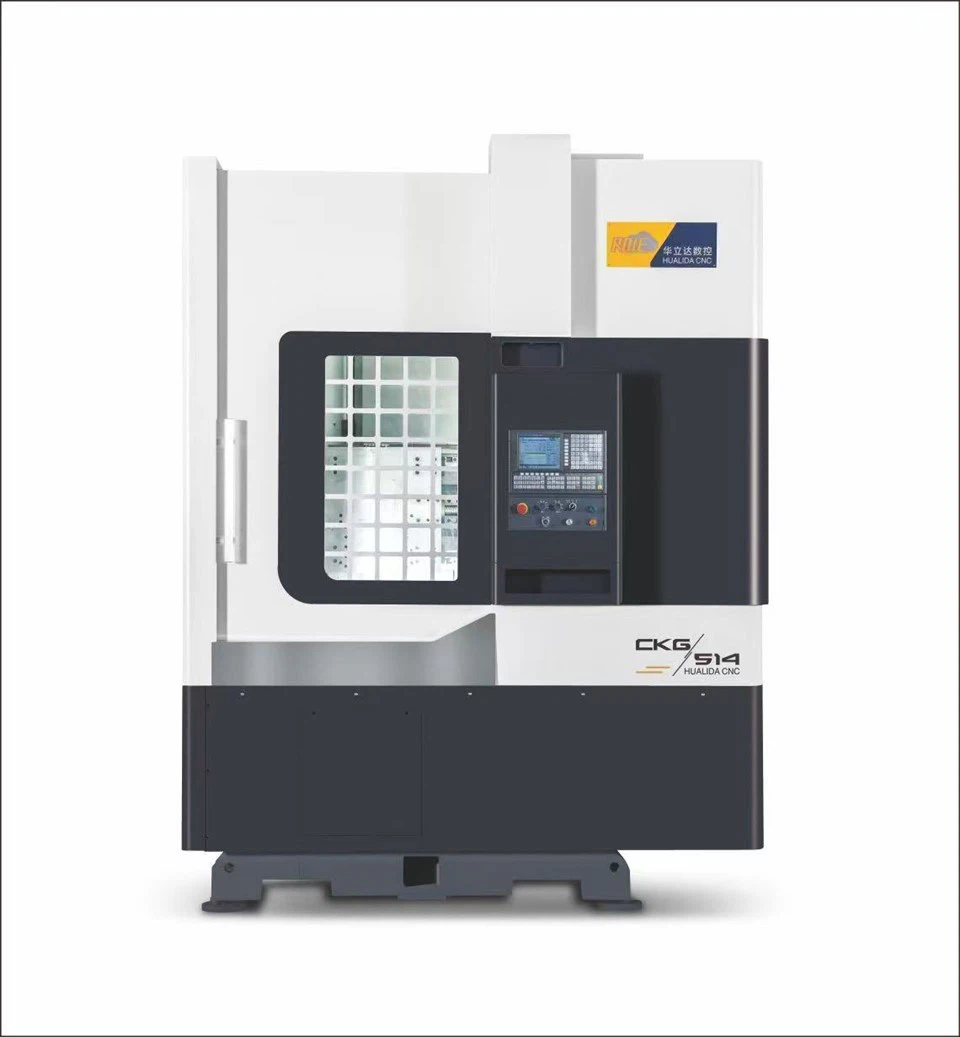
- Rigid Frame: A sturdy and rigid frame is essential. The frame should be made of high - quality materials that can absorb and dampen vibrations. For example, cast iron is a popular choice for CNC lathe frames because it has good vibration - damping properties. When the lathe is in operation, the rigid frame helps to keep the machine stable and reduces the transmission of vibrations.
- Balanced Components: All the rotating components in the CNC lathe, such as the spindle and the chuck, need to be properly balanced. An unbalanced component can create a centrifugal force that causes vibrations. By balancing these components, we can ensure that they rotate smoothly and reduce the chances of vibration.
2. Tool Selection and Setup
The cutting tools used in a CNC lathe also play a big role in vibration control.
- Proper Tool Geometry: Choosing the right tool geometry is crucial. Tools with the correct rake angle, clearance angle, and cutting edge radius can reduce the cutting forces and, in turn, the vibrations. For example, a tool with a positive rake angle can cut more smoothly and generate less force, which helps to minimize vibrations.
- Tool Holder Rigidity: The tool holder needs to be rigid and secure. A loose or flexible tool holder can allow the tool to move during cutting, which leads to vibrations. Make sure the tool is properly clamped in the holder and that the holder is firmly attached to the tool post.
3. Cutting Parameters Optimization
Adjusting the cutting parameters is another effective way to control vibrations in a CNC lathe.
- Cutting Speed: The cutting speed refers to how fast the cutting tool moves relative to the workpiece. If the cutting speed is too high, it can cause vibrations. On the other hand, if it's too low, the machining process will be inefficient. Finding the optimal cutting speed for the specific material and tool being used is key. Usually, you can refer to the tool manufacturer's recommendations to get a starting point and then fine - tune the speed based on your actual machining experience.
- Feed Rate: The feed rate is the rate at which the cutting tool advances into the workpiece. A high feed rate can increase the cutting forces and cause vibrations. By reducing the feed rate, we can reduce the forces and make the cutting process smoother. However, we also need to make sure that the feed rate is not too low, or the machining time will be too long.
- Depth of Cut: The depth of cut is how deep the cutting tool penetrates into the workpiece. A large depth of cut can generate more cutting forces and vibrations. So, it's often better to take multiple shallow cuts rather than one deep cut. This approach can help to keep the cutting forces under control and reduce vibrations.
4. Damping Devices
There are several types of damping devices that can be used to reduce vibrations in a CNC lathe.
- Vibration Dampers: These are devices that are specifically designed to absorb and dissipate vibrations. They can be installed on the machine frame, the tool post, or other critical areas. Vibration dampers work by converting the kinetic energy of the vibrations into heat energy, which is then dissipated into the surrounding environment.
- Dynamic Absorbers: A dynamic absorber is a device that consists of a mass - spring - damper system. It is tuned to the natural frequency of the vibrating system. When the machine vibrates, the dynamic absorber oscillates out of phase with the vibration, which helps to cancel out the vibrations.
5. Environmental Factors
The environment in which the CNC lathe operates can also have an impact on vibrations.
- Leveling and Mounting: The CNC lathe needs to be properly leveled and mounted on a stable surface. If the machine is not level, it can cause uneven loading and vibrations. Use a spirit level to ensure that the lathe is perfectly horizontal. Also, make sure the mounting surface is solid and free from any vibrations or movement.
- Isolation from External Vibrations: The CNC lathe should be isolated from external sources of vibrations, such as other machinery in the workshop or traffic outside. You can use vibration - isolating pads or mounts to separate the lathe from the floor and reduce the transmission of external vibrations.
Conclusion
Controlling vibrations in a CNC lathe is a multi - faceted process that involves machine design, tool selection, cutting parameter optimization, and attention to environmental factors. By implementing these vibration control methods, you can improve the surface finish of your workpieces, extend the life of your cutting tools, and increase the accuracy of your machining operations.
If you're in the market for a high - quality CNC Turning and Milling Machine Tools or looking to upgrade your existing CNC lathe, we've got you covered. Our CNC Turning and Milling products are designed with vibration control in mind to ensure the best performance.
If you're interested in learning more about our products or have any questions about vibration control in CNC lathes, don't hesitate to reach out. We're here to help you find the best solutions for your manufacturing needs and get the most out of your CNC machining operations.
References
- Smith, J. (2018). "Advanced Machining Technologies." Publisher: ABC Publications.
- Johnson, M. (2019). "CNC Machining Handbook." Publisher: XYZ Press.