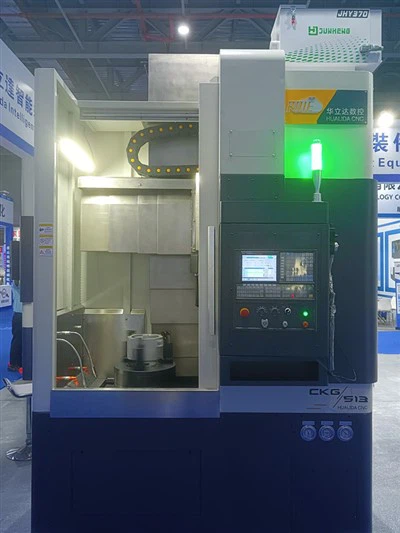
As a leading supplier of Heavy Vertical Lathes, I often encounter inquiries regarding the anti - corrosion treatment of these sophisticated machines. In this blog, I will delve into the significance of anti - corrosion treatment for heavy vertical lathes, explore the various methods available, and discuss how we, as a supplier, ensure the longevity and performance of our products through effective anti - corrosion measures.
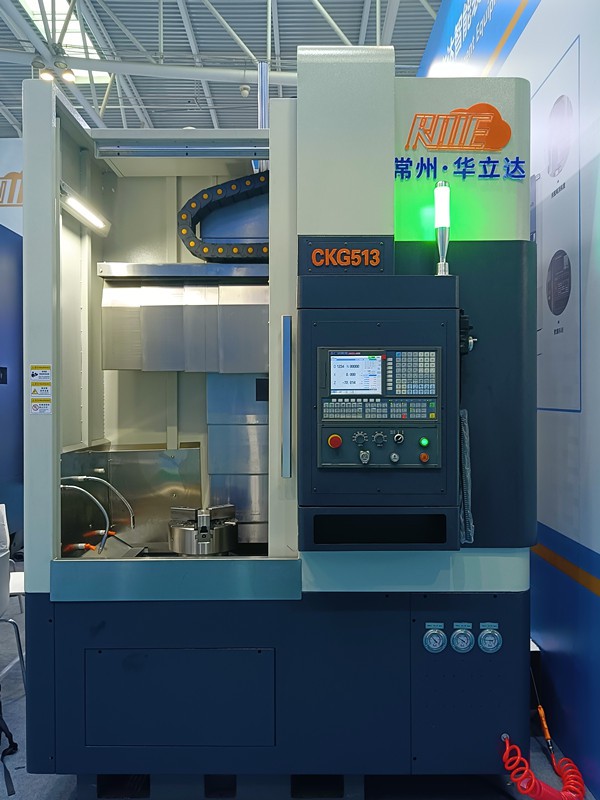

The Importance of Anti - Corrosion Treatment for Heavy Vertical Lathes
Heavy vertical lathes are high - precision and expensive industrial equipment. They are typically used in harsh manufacturing environments where they are exposed to various corrosive agents such as cutting fluids, moisture, and chemicals. Corrosion can have a detrimental impact on the performance and lifespan of these machines.
Firstly, corrosion can cause damage to the machine's structural components. The heavy vertical lathe's bed, columns, and saddles are made of high - strength metals. When these components corrode, their mechanical properties can be significantly reduced, leading to issues such as deformation and reduced rigidity. This, in turn, can affect the machining accuracy of the lathe, resulting in sub - standard products.
Secondly, corrosion can also affect the moving parts of the heavy vertical lathe. For example, the guide rails, ball screws, and bearings are critical components that require smooth operation. Corrosion on these parts can increase friction, cause wear and tear, and even lead to mechanical failures. This not only disrupts the production process but also incurs high maintenance and replacement costs.
Common Anti - Corrosion Treatment Methods
Surface Coating
One of the most common anti - corrosion treatment methods is surface coating. There are several types of surface coatings available for heavy vertical lathes.
- Paint Coating: A simple and cost - effective method, paint coating can provide a physical barrier between the metal surface and the corrosive environment. High - quality industrial paints are often used, which have good adhesion, flexibility, and resistance to chemicals and abrasion. We usually apply multiple layers of paint to ensure a thick and durable coating. For example, a primer layer is first applied to enhance adhesion, followed by a top - coat layer for protection and aesthetics.
- Electroplating: Electroplating involves depositing a thin layer of metal, such as chromium or nickel, onto the surface of the lathe components. This layer can provide excellent corrosion resistance and also improve the hardness and wear resistance of the surface. For critical components like the guide rails, electroplating can significantly extend their service life.
- Powder Coating: Powder coating is a process where a dry powder is electrostatically applied to the metal surface and then cured under heat. This results in a hard, smooth, and durable coating that is highly resistant to corrosion, chemicals, and UV radiation. Powder coating is also environmentally friendly as it produces less waste compared to liquid paint coating.
Corrosion - Inhibiting Oils and Greases
Corrosion - inhibiting oils and greases are another important anti - corrosion measure. These products are applied to the moving parts and exposed metal surfaces of the heavy vertical lathe.
- Cutting Fluids with Corrosion Inhibitors: Cutting fluids are used during the machining process to cool and lubricate the cutting tool and workpiece. By adding corrosion inhibitors to the cutting fluids, we can protect the machine components from the corrosive effects of the chips and the cutting environment. These inhibitors form a protective film on the metal surface, preventing the access of moisture and oxygen.
- Lubricating Greases: Greases are used to lubricate the bearings, ball screws, and other moving parts. Corrosion - inhibiting greases contain additives that can prevent rust and corrosion. They also have good adhesion and can withstand high pressures and temperatures, ensuring long - term protection for the components.
Design Optimization
In addition to the above treatment methods, design optimization can also play an important role in anti - corrosion.
- Drainage Design: Proper drainage design is crucial to prevent the accumulation of cutting fluids and moisture on the machine. For example, the heavy vertical lathe can be designed with slopes and channels to ensure that the fluids flow away quickly. This reduces the contact time between the metal surface and the corrosive fluids, minimizing the risk of corrosion.
- Sealing Design: Sealing components such as gaskets and O - rings are used to prevent the ingress of dust, moisture, and chemicals into the internal parts of the machine. High - quality seals can effectively protect the sensitive components from corrosion and contamination.
Our Approach as a Heavy Vertical Lathe Supplier
As a supplier of Heavy Vertical Lathe, we take anti - corrosion treatment very seriously. Our manufacturing process incorporates a comprehensive anti - corrosion strategy.
- Material Selection: We carefully select high - quality metals with good corrosion resistance for the main components of the heavy vertical lathe. For example, stainless steel is used for some parts that are more exposed to corrosive environments.
- Advanced Coating Technologies: We use state - of - the - art coating technologies to ensure the best anti - corrosion performance. Our paint coating process is highly automated, which ensures uniform thickness and excellent adhesion. We also have strict quality control measures in place to ensure the quality of the electroplating and powder coating.
- Regular Maintenance and Inspection: We provide our customers with detailed maintenance manuals and offer after - sales services. Regular maintenance and inspection can help detect early signs of corrosion and take timely measures to prevent further damage. We also offer training to our customers' operators on how to properly maintain the machine to prevent corrosion.
Different Types of Heavy Vertical Lathes and Anti - Corrosion
There are different types of heavy vertical lathes, such as Vertical CNC Lathe and Hard Rail Vertical Lathe, and each type may have specific anti - corrosion requirements.
- Vertical CNC Lathe: Vertical CNC lathes often have more complex control systems and electronic components. In addition to the anti - corrosion treatment for the mechanical parts, special attention needs to be paid to protecting the electronic components from moisture and dust. We use sealed enclosures and moisture - absorbing materials to protect the electronic cabinets.
- Hard Rail Vertical Lathe: Hard rail vertical lathes rely on the hard rails for precise movement. The anti - corrosion treatment of the hard rails is particularly important. We use a combination of electroplating and lubricating greases to ensure the smooth operation and long - term protection of the hard rails.
Conclusion
Anti - corrosion treatment is an essential aspect of ensuring the performance and longevity of heavy vertical lathes. By using a combination of surface coating, corrosion - inhibiting oils and greases, and design optimization, we can effectively protect these machines from the damaging effects of corrosion. As a professional heavy vertical lathe supplier, we are committed to providing our customers with high - quality products that are well - protected against corrosion.
If you are interested in our heavy vertical lathes or have any questions regarding anti - corrosion treatment, please feel free to contact us for further discussion and potential procurement. We are more than happy to assist you in finding the most suitable solution for your manufacturing needs.
References
- ASM Handbook, Volume 13A: Corrosion: Fundamentals, Testing, and Protection. ASM International.
- Machinery's Handbook: A Reference Book for the Mechanical Engineer, Designer, Manufacturing Engineer, Draftsman, Toolmaker, and Machinist. Industrial Press Inc.