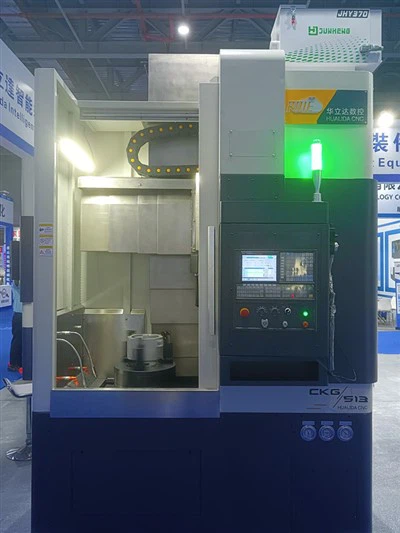
As a seasoned supplier of heavy vertical lathes, I often encounter inquiries from clients about the differences between CNC heavy vertical lathes and conventional heavy vertical lathes. In this blog post, I'll delve into the key distinctions to help you make an informed decision when choosing the right machine for your manufacturing needs.
Precision and Accuracy
One of the most significant differences between CNC heavy vertical lathes and conventional heavy vertical lathes lies in their precision and accuracy. CNC (Computer Numerical Control) technology allows for highly precise control of the machining process. The machine follows a pre-programmed set of instructions, which ensures consistent and accurate cuts every time. This level of precision is particularly crucial when working on complex parts with tight tolerances.
On the other hand, conventional heavy vertical lathes rely on manual operation, which is more prone to human error. Even the most skilled operators may introduce slight variations in the machining process, leading to less consistent results. While conventional lathes can still produce high-quality parts, they may not be able to achieve the same level of precision as CNC lathes, especially for large-scale production.
Automation and Productivity
CNC heavy vertical lathes offer a high degree of automation, which significantly improves productivity. Once the program is set up, the machine can run continuously with minimal operator intervention. This allows operators to focus on other tasks, such as quality control or setting up the next job. Additionally, CNC lathes can perform multiple operations in a single setup, reducing the need for manual handling and increasing overall efficiency.
Conventional heavy vertical lathes, on the other hand, require more hands-on operation. The operator must manually control the movement of the cutting tool, adjust the speed and feed rates, and monitor the machining process. This not only requires more skill and attention but also limits the productivity of the machine. While conventional lathes can be suitable for small-scale production or custom jobs, they may not be the most efficient choice for high-volume manufacturing.
Flexibility and Adaptability
CNC heavy vertical lathes are highly flexible and adaptable to different machining requirements. The program can be easily modified to accommodate changes in part design or production volume. This makes CNC lathes ideal for prototyping, small-batch production, and custom manufacturing. Additionally, CNC lathes can be equipped with a variety of cutting tools and attachments, allowing for a wide range of machining operations.
Conventional heavy vertical lathes, on the other hand, are less flexible. Changing the machining process often requires significant manual adjustments to the machine, which can be time-consuming and costly. While conventional lathes can be used for a variety of machining operations, they may not be as easily adaptable to changes in part design or production requirements.
Cost and Investment
CNC heavy vertical lathes typically require a higher initial investment compared to conventional heavy vertical lathes. The cost of the machine itself, as well as the software and programming, can be significant. However, the long-term benefits of increased productivity, precision, and flexibility often outweigh the initial cost. Additionally, CNC lathes can reduce labor costs by requiring less operator intervention and increasing overall efficiency.
Conventional heavy vertical lathes are generally more affordable upfront. However, the cost of labor and maintenance can be higher in the long run. The need for skilled operators and the potential for human error can also increase the cost of production. When considering the cost of a heavy vertical lathe, it's important to take into account the total cost of ownership, including the initial investment, operating costs, and maintenance expenses.
Applications
CNC heavy vertical lathes are commonly used in industries that require high precision, productivity, and flexibility, such as aerospace, automotive, and medical device manufacturing. They are ideal for machining large, complex parts with tight tolerances, such as engine blocks, turbine blades, and medical implants.
Conventional heavy vertical lathes are still widely used in industries that require less precision and flexibility, such as general machining, fabrication, and repair. They are suitable for machining large, simple parts, such as shafts, pulleys, and gears.
Conclusion
In conclusion, the choice between a CNC heavy vertical lathe and a conventional heavy vertical lathe depends on your specific manufacturing needs. If you require high precision, productivity, and flexibility, a CNC heavy vertical lathe may be the better choice. However, if you have a lower budget and require less precision and flexibility, a conventional heavy vertical lathe may be sufficient.
As a supplier of heavy vertical lathes, we offer a wide range of Hard Rail Vertical Lathe, Heavy Cutting and Vertical Lathe, and Vertical Lathe Machine to meet your specific requirements. Our team of experts can help you choose the right machine for your application and provide you with the support and training you need to get the most out of your investment.

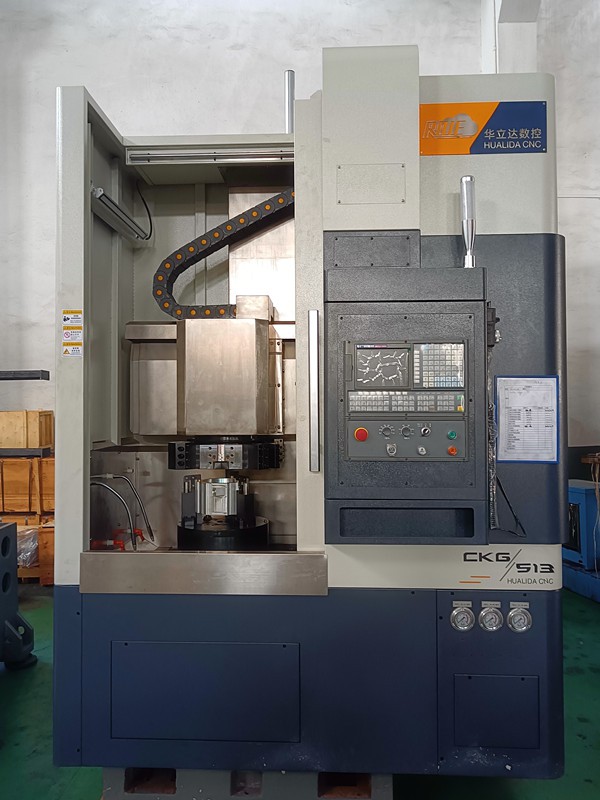
If you're interested in learning more about our heavy vertical lathes or would like to discuss your specific needs, please don't hesitate to contact us. We look forward to helping you take your manufacturing to the next level.
References
- "CNC Machining Handbook" by Peter Smid
- "Modern Manufacturing Technology" by Mikell P. Groover
- "Machine Tool Practices" by Richard A. Rowland