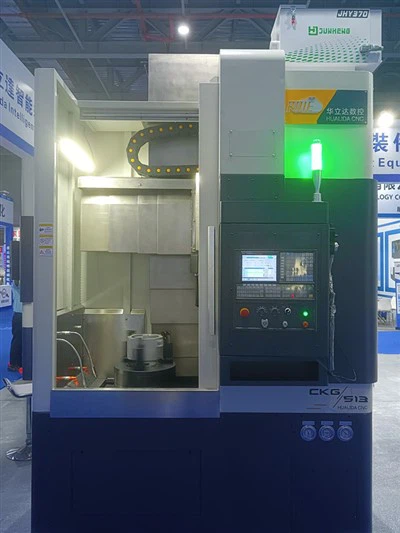
As a supplier of Heavy Cutting Vertical Lathes, I've witnessed firsthand the pivotal role that lubrication conditions play in the performance of these robust machines. In this blog, I'll delve into the various aspects of how lubrication impacts the operation and longevity of heavy cutting vertical lathes.
1. Basics of Heavy Cutting Vertical Lathes
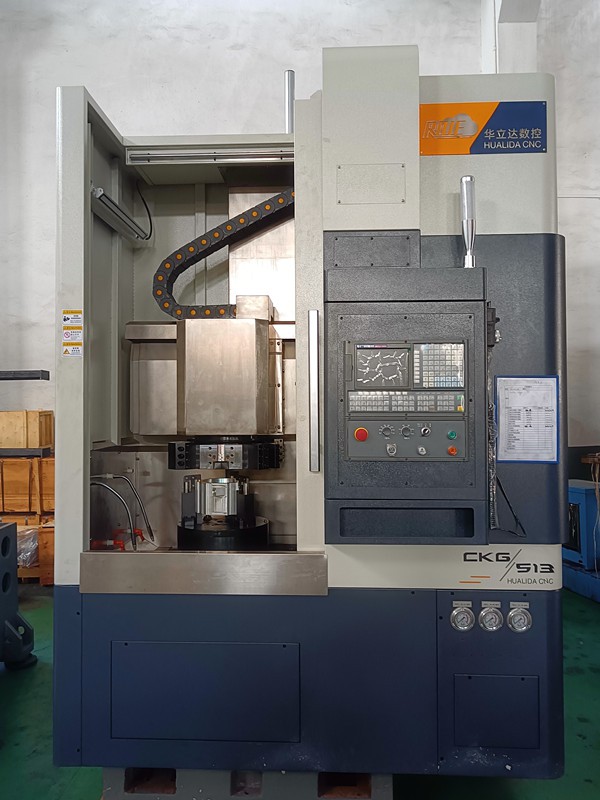
Heavy Cutting Vertical Lathes are designed to handle large and heavy workpieces with high precision. They are commonly used in industries such as aerospace, automotive, and heavy machinery manufacturing. These machines are built to withstand high cutting forces and provide accurate machining results. The Heavy Cutting Vertical Lathe is a key player in the metalworking industry, offering the ability to perform heavy-duty cutting operations efficiently.
2. The Role of Lubrication in Machine Tools
Lubrication serves multiple purposes in a heavy cutting vertical lathe. Firstly, it reduces friction between moving parts. In a lathe, there are numerous components that move relative to each other, such as the spindle, slides, and lead screws. Friction can cause excessive wear and tear, leading to premature failure of these parts. By applying an appropriate lubricant, the coefficient of friction is significantly reduced, which in turn minimizes wear and extends the lifespan of the machine.
Secondly, lubrication helps in heat dissipation. During heavy cutting operations, a large amount of heat is generated due to the friction between the cutting tool and the workpiece. If this heat is not dissipated effectively, it can cause thermal expansion of the machine components, leading to dimensional inaccuracies in the machined parts. A good lubricant can absorb and carry away the heat, maintaining a stable temperature within the machine.
Thirdly, lubrication acts as a protective barrier against corrosion. The metal components of a heavy cutting vertical lathe are exposed to various environmental factors, such as moisture and contaminants. These can cause corrosion, which weakens the structural integrity of the machine. A lubricant forms a thin film on the surface of the metal, preventing direct contact with moisture and contaminants and thus protecting the machine from corrosion.

3. Impact of Lubrication Condition on Spindle Performance
The spindle is the heart of a heavy cutting vertical lathe. It rotates the workpiece at high speeds and is responsible for the accuracy of the machining process. The lubrication condition of the spindle has a direct impact on its performance.
Inadequate lubrication can lead to increased friction and heat generation in the spindle bearings. This can cause the bearings to overheat, resulting in reduced bearing life and increased vibration. Vibration in the spindle can lead to poor surface finish of the machined parts and decreased dimensional accuracy. On the other hand, proper lubrication ensures smooth rotation of the spindle, reducing vibration and improving the overall machining quality.
The type of lubricant used for the spindle is also crucial. High - speed spindles often require a special type of lubricant with excellent anti - wear and high - temperature resistance properties. For example, synthetic oils are commonly used for high - performance spindles as they can maintain their viscosity and lubricating properties at high temperatures.
4. Influence on Slide and Guideway Performance
The slides and guideways of a heavy cutting vertical lathe are responsible for the linear movement of the cutting tool and the workpiece. Good lubrication is essential for their smooth operation.
When the lubrication is insufficient, the slides and guideways may experience stick - slip motion. Stick - slip is a phenomenon where the moving part alternately sticks and slips, causing irregular movement and poor positioning accuracy. This can lead to inconsistent machining results and reduced productivity.
Proper lubrication ensures a continuous and smooth movement of the slides and guideways. It also helps to maintain the accuracy of the positioning system. The lubricant fills the small gaps between the mating surfaces of the slides and guideways, reducing the effects of wear and ensuring precise movement. Our Hard Rail Vertical Lathe models rely on well - lubricated slides and guideways to achieve high - precision machining.
5. Effect on Cutting Tool Life
The lubrication condition can also significantly affect the life of the cutting tool. During the cutting process, the cutting tool is subjected to high temperatures and forces. A good lubricant can reduce the friction between the cutting tool and the workpiece, which in turn reduces the cutting forces and heat generation.
Lower cutting forces mean less stress on the cutting tool, reducing the risk of tool breakage. Additionally, the reduced heat helps to prevent the cutting edge from overheating and losing its hardness. This results in a longer tool life and fewer tool changes, which can save both time and money in the machining process.
6. Challenges in Maintaining Optimal Lubrication
Maintaining the optimal lubrication condition in a heavy cutting vertical lathe is not without challenges. One of the main challenges is contamination. The machining environment is often filled with chips, dust, and coolant. These contaminants can mix with the lubricant, reducing its effectiveness. Regular filtration and monitoring of the lubricant are necessary to ensure its purity.
Another challenge is the proper selection of lubricants. Different components of the lathe may require different types of lubricants based on their operating conditions. For example, the spindle may need a high - performance synthetic oil, while the slides may require a grease with good adhesion properties. Selecting the wrong lubricant can lead to poor performance and potential damage to the machine.
7. Importance of Regular Lubrication Maintenance
Regular lubrication maintenance is crucial for the optimal performance of a heavy cutting vertical lathe. This includes checking the lubricant level, changing the lubricant at the recommended intervals, and inspecting the lubrication system for any leaks or blockages.
By adhering to a strict lubrication maintenance schedule, the machine can operate at its peak efficiency for a longer period. It also helps to prevent unexpected breakdowns and costly repairs. Our company provides detailed lubrication maintenance guidelines for all our Vertical Lathe Machine models to ensure that our customers can get the most out of their machines.
8. Conclusion and Call to Action
In conclusion, the lubrication condition has a profound influence on the performance of a heavy cutting vertical lathe. From the spindle to the cutting tool, every component benefits from proper lubrication. By ensuring optimal lubrication, you can improve the machining quality, extend the machine's lifespan, and reduce operating costs.
If you're in the market for a high - quality heavy cutting vertical lathe or need advice on lubrication maintenance, we're here to help. Our team of experts can provide you with the right solutions tailored to your specific needs. Contact us to start a discussion about your procurement requirements and let's work together to enhance your machining capabilities.
References
- "Machine Tool Lubrication Handbook", Industrial Press Inc.
- "Metal Cutting Principles", by Paul K. Wright and David A. Dewhurst.
- Technical papers from leading machine tool manufacturers on the topic of lubrication in heavy - duty machining.