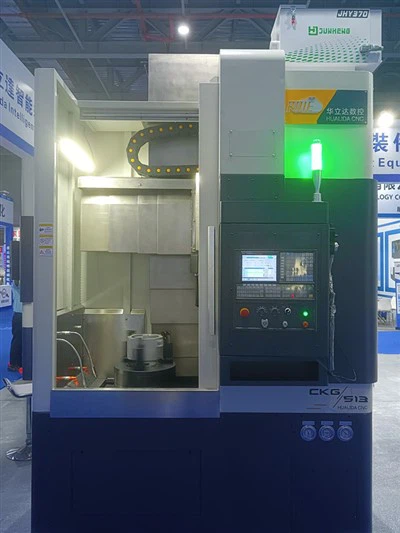
In the realm of heavy - duty machining, the heavy vertical lathe stands as a cornerstone of precision and power. As a prominent supplier of heavy vertical lathes, I am often asked about the intricacies of its various systems, and one that frequently comes up is the lubrication system. In this blog, I will delve deep into what the lubrication system of a heavy vertical lathe is, its importance, components, and how it impacts the overall performance of the machine.
The Importance of the Lubrication System
The lubrication system in a heavy vertical lathe is not just an accessory; it is a critical component that ensures the smooth and efficient operation of the machine. Heavy vertical lathes are designed to handle large - scale workpieces with high precision. They operate under extreme conditions, including high loads, high speeds, and intense friction. Without proper lubrication, the machine's components would experience excessive wear and tear, leading to premature failure, decreased accuracy, and increased maintenance costs.
Lubrication serves several key functions in a heavy vertical lathe. Firstly, it reduces friction between moving parts. Friction generates heat, and excessive heat can cause thermal expansion, which in turn can lead to misalignment and dimensional inaccuracies in the machining process. By reducing friction, the lubrication system helps to keep the temperature of the machine within acceptable limits, ensuring stable and precise machining.
Secondly, lubrication helps to prevent corrosion and rust on the machine's metal surfaces. In a machining environment, the presence of coolant, chips, and other contaminants can accelerate the corrosion process. A well - functioning lubrication system forms a protective film on the metal surfaces, shielding them from these corrosive elements and extending the lifespan of the components.
Finally, lubrication aids in the removal of debris and contaminants from the machine. As the lubricant circulates through the system, it picks up chips, dust, and other particles that may have entered the machine during operation. These contaminants are then filtered out, preventing them from causing damage to the moving parts.
Components of the Lubrication System
The lubrication system of a heavy vertical lathe typically consists of several key components, each with its own specific function.
Lubricant Reservoir
The lubricant reservoir is the storage tank for the lubricant. It holds a sufficient quantity of lubricant to ensure continuous operation of the machine. The size of the reservoir depends on the size and complexity of the lathe, as well as the operating conditions. In a heavy vertical lathe, the reservoir is usually large enough to provide a steady supply of lubricant for an extended period without the need for frequent refilling.
Pumps
Pumps are responsible for circulating the lubricant throughout the system. There are different types of pumps used in the lubrication system, such as gear pumps, piston pumps, and vane pumps. Gear pumps are commonly used due to their simplicity, reliability, and ability to provide a constant flow of lubricant at a relatively low pressure. Piston pumps, on the other hand, can generate higher pressures, which are required for lubricating certain high - load components.
Filters
Filters play a crucial role in maintaining the cleanliness of the lubricant. They are designed to remove contaminants such as chips, dust, and metal particles from the lubricant before it is recirculated through the system. There are different types of filters, including mechanical filters, magnetic filters, and centrifugal filters. Mechanical filters use a porous material to trap contaminants, while magnetic filters use magnetic fields to attract and remove ferrous particles. Centrifugal filters use centrifugal force to separate the contaminants from the lubricant.
Distribution Lines
The distribution lines are the pipes and hoses that carry the lubricant from the reservoir to the various parts of the machine that require lubrication. These lines are carefully designed to ensure that the lubricant is delivered to the right places at the right time and in the right quantity. In a heavy vertical lathe, the distribution lines are often routed through the machine's structure to reach the bearings, gears, slides, and other moving parts.
Lubrication Points
The lubrication points are the specific locations on the machine where the lubricant is applied. These points include the bearings, which support the rotating shafts; the gears, which transmit power; and the slides, which allow for linear movement. Each lubrication point has its own requirements in terms of the type of lubricant, the amount of lubricant, and the frequency of lubrication.
Types of Lubricants Used in Heavy Vertical Lathes
There are several types of lubricants that can be used in a heavy vertical lathe, and the choice of lubricant depends on various factors such as the operating conditions, the type of components being lubricated, and the manufacturer's recommendations.
Mineral Oils
Mineral oils are the most commonly used lubricants in heavy vertical lathes. They are derived from petroleum and offer good lubricating properties, thermal stability, and resistance to oxidation. Mineral oils are relatively inexpensive and are suitable for a wide range of operating conditions. However, they may not be suitable for high - temperature or high - load applications, as they may break down under extreme conditions.
Synthetic Oils
Synthetic oils are artificially engineered lubricants that offer superior performance compared to mineral oils. They have better thermal stability, oxidation resistance, and viscosity characteristics, making them suitable for high - temperature and high - load applications. Synthetic oils also have a longer service life, which can reduce the frequency of lubricant changes and maintenance costs. However, they are generally more expensive than mineral oils.
Greases
Greases are a semi - solid form of lubricant that are used in applications where a more viscous lubricant is required. They are often used in bearings and other components that operate at low speeds or under high loads. Greases have the advantage of staying in place and providing long - term lubrication, but they may require more frequent re - lubrication compared to oils.
Maintenance of the Lubrication System
Proper maintenance of the lubrication system is essential to ensure the reliable and efficient operation of the heavy vertical lathe. Here are some key maintenance tasks:
Regular Inspection
Regular inspection of the lubrication system is necessary to check for leaks, proper lubricant level, and the condition of the components. Any signs of leakage should be addressed immediately to prevent loss of lubricant and potential damage to the machine. The lubricant level in the reservoir should be checked regularly and topped up as needed.
Lubricant Change
The lubricant should be changed at regular intervals according to the manufacturer's recommendations. Over time, the lubricant may degrade due to oxidation, contamination, and thermal breakdown. Changing the lubricant at the appropriate intervals helps to maintain its performance and protect the machine's components.
Filter Replacement
The filters in the lubrication system should be replaced regularly to ensure effective removal of contaminants. A clogged filter can restrict the flow of lubricant, leading to insufficient lubrication and potential damage to the machine.
Cleaning of the System
Periodically, the lubrication system should be cleaned to remove any accumulated debris and contaminants. This may involve flushing the system with a cleaning solution and replacing the lubricant.
Impact on Machining Performance
The performance of the lubrication system has a direct impact on the machining performance of the heavy vertical lathe. A well - maintained lubrication system can significantly improve the accuracy, surface finish, and productivity of the machining process.
In terms of accuracy, as mentioned earlier, proper lubrication helps to keep the temperature of the machine stable and prevents thermal expansion. This ensures that the machine maintains its dimensional accuracy throughout the machining process, resulting in high - quality workpieces with tight tolerances.
The surface finish of the machined parts is also affected by the lubrication system. A smooth and consistent lubrication film on the cutting tool and the workpiece helps to reduce friction and prevent built - up edge formation. This results in a better surface finish, which is often a critical requirement in many machining applications.
Productivity is another area where the lubrication system plays a crucial role. A properly lubricated machine operates more smoothly and efficiently, with fewer breakdowns and less downtime for maintenance. This allows for continuous production and increased output, ultimately leading to higher profitability for the manufacturer.


Conclusion
In conclusion, the lubrication system of a heavy vertical lathe is a vital component that is essential for the machine's performance, reliability, and longevity. As a [Your Company Position] at a leading heavy vertical lathe supplier, I understand the importance of a well - designed and maintained lubrication system. Whether you are in the market for a Large Cutting Vertical Lathe, a Heavy Cutting Vertical Lathe, or a Vertical Lathe Machine, we can provide you with high - quality machines equipped with advanced lubrication systems.
If you are interested in learning more about our heavy vertical lathes or have any questions regarding the lubrication system or other aspects of the machine, we invite you to contact us for a detailed discussion. Our team of experts is ready to assist you in finding the right solution for your machining needs.
References
- "Machining Handbook" - A comprehensive guide to machining processes and machine tool technology.
- Manufacturer's manuals for heavy vertical lathes, which provide detailed information on the lubrication system and its maintenance.