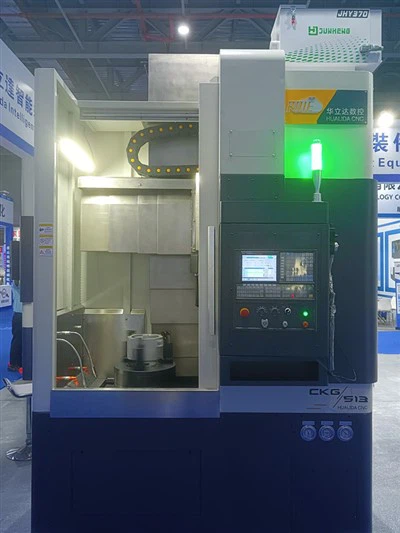
A vertical lathe machine is a crucial piece of equipment in the manufacturing industry, especially for tasks that require precision turning of large and heavy workpieces. One of the key components that ensure the smooth and efficient operation of a vertical lathe machine is its lubrication system. In this blog, as a supplier of vertical lathe machines, I will delve into what the lubrication system of a vertical lathe machine is, its importance, components, and how it functions.
Importance of the Lubrication System
The lubrication system in a vertical lathe machine serves multiple vital purposes. Firstly, it reduces friction between moving parts. In a vertical lathe, there are numerous components such as the spindle, gears, and slides that are in constant motion. Without proper lubrication, the friction between these parts would generate excessive heat, leading to accelerated wear and tear. This not only shortens the lifespan of the machine but also affects the precision of the machining process.
Secondly, lubrication helps to prevent corrosion. The metal components in a vertical lathe are exposed to various environmental factors, including moisture and contaminants. A well - functioning lubrication system forms a protective film on the surfaces of these components, shielding them from rust and corrosion.
Thirdly, lubrication aids in the removal of heat generated during the machining process. As the cutting tools interact with the workpiece, a significant amount of heat is produced. The lubricant absorbs this heat and transfers it away from the critical components, maintaining the optimal operating temperature of the machine.
Components of the Lubrication System
Lubricant Reservoir
The lubricant reservoir is the storage tank for the lubricant. It is usually designed to hold a sufficient quantity of lubricant to ensure continuous operation of the machine for an extended period. The size of the reservoir depends on the size and complexity of the vertical lathe machine. In larger machines, such as the Heavy Cutting Vertical Lathe, a larger reservoir is required to meet the higher lubrication demands.
Pumps
Pumps are responsible for circulating the lubricant throughout the system. There are different types of pumps used in vertical lathe lubrication systems, including gear pumps, vane pumps, and piston pumps. Gear pumps are commonly used due to their simplicity, reliability, and ability to provide a constant flow of lubricant at a relatively low cost. The pump draws the lubricant from the reservoir and delivers it to the various parts of the machine that require lubrication.
Filters
Filters play a crucial role in maintaining the quality of the lubricant. They remove contaminants such as metal particles, dirt, and debris that may enter the lubrication system during the machining process. A clogged filter can restrict the flow of lubricant, leading to inadequate lubrication and potential damage to the machine. Therefore, regular filter replacement or cleaning is essential to ensure the proper functioning of the lubrication system.
Distribution Lines
Distribution lines are the pipes or hoses that carry the lubricant from the pump to the different lubrication points in the machine. These lines are carefully designed to ensure that the lubricant reaches all the critical components in the correct quantity. In some cases, adjustable valves are installed along the distribution lines to control the flow rate of the lubricant to specific parts of the machine.
Lubrication Points
Lubrication points are the specific locations in the vertical lathe machine where the lubricant is applied. These include the spindle bearings, gearboxes, slideways, and lead screws. Each lubrication point has its own requirements in terms of the type and amount of lubricant needed. For example, the spindle bearings require a high - quality lubricant with excellent anti - wear and anti - oxidation properties to ensure smooth rotation and long - term reliability.
Types of Lubricants
Oil - based Lubricants
Oil - based lubricants are the most commonly used lubricants in vertical lathe machines. They offer good lubrication properties, heat dissipation, and anti - wear protection. Mineral oils are widely used due to their relatively low cost and availability. Synthetic oils, on the other hand, provide superior performance in terms of high - temperature stability, oxidation resistance, and viscosity control. They are often used in high - precision and high - speed vertical lathes, such as the Vertical CNC Lathe.
Grease - based Lubricants
Grease - based lubricants are a semi - solid form of lubricant. They are typically used in applications where a more viscous lubricant is required, such as in slow - moving or heavily loaded components. Grease has the advantage of staying in place for a longer time, providing continuous lubrication without the need for frequent re - application. However, it may not be as effective in dissipating heat as oil - based lubricants.
How the Lubrication System Functions
The lubrication system of a vertical lathe machine operates in a closed - loop cycle. It starts with the lubricant being stored in the reservoir. When the machine is turned on, the pump is activated, and it begins to draw the lubricant from the reservoir. The lubricant then passes through the filter to remove any contaminants before entering the distribution lines.
The distribution lines carry the lubricant to the various lubrication points in the machine. At each lubrication point, the lubricant is applied to the moving parts, reducing friction and providing protection. After performing its lubrication function, the lubricant drains back to the reservoir, where it is filtered again and recirculated.
In some advanced vertical lathe machines, the lubrication system is equipped with sensors and control systems. These sensors monitor the level, temperature, and pressure of the lubricant. If any abnormal conditions are detected, such as low lubricant level or high temperature, an alarm is triggered, and the machine may be automatically shut down to prevent damage.
Maintenance of the Lubrication System
Proper maintenance of the lubrication system is essential to ensure the reliable operation of the vertical lathe machine. Here are some key maintenance tasks:
Regular Lubricant Checks
The level of the lubricant in the reservoir should be checked regularly. If the level is low, additional lubricant should be added. It is also important to check the quality of the lubricant. Signs of contamination, such as discoloration or the presence of particles, indicate that the lubricant needs to be changed.
Filter Replacement
Filters should be replaced at regular intervals as recommended by the machine manufacturer. A clogged filter can reduce the flow of lubricant and cause damage to the machine.


Cleaning of the Reservoir
Periodically, the lubricant reservoir should be cleaned to remove any accumulated contaminants. This helps to maintain the quality of the lubricant and prevent the growth of bacteria or fungi.
Inspection of Distribution Lines
The distribution lines should be inspected for leaks, cracks, or blockages. Any damaged lines should be replaced immediately to ensure proper lubricant flow.
Conclusion
The lubrication system is an integral part of a vertical lathe machine. It plays a crucial role in reducing friction, preventing corrosion, dissipating heat, and ensuring the smooth and efficient operation of the machine. As a supplier of vertical lathe machines, we understand the importance of a well - designed and properly maintained lubrication system. Our machines, including the Heavy Cutting Vertical Lathe, Large Cutting Vertical Lathe, and Vertical CNC Lathe, are equipped with high - quality lubrication systems to meet the demanding requirements of the manufacturing industry.
If you are in the market for a vertical lathe machine or have any questions about our products, we encourage you to contact us for a detailed discussion. Our team of experts is ready to assist you in finding the most suitable machine for your specific needs.
References
- "Machinery's Handbook" - A comprehensive reference book on mechanical engineering, which provides detailed information on machine tools and their components, including lubrication systems.
- Manufacturer's manuals for vertical lathe machines, which contain specific information about the lubrication systems of their products.