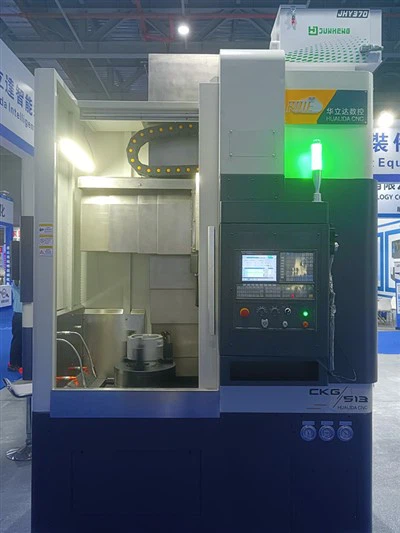
Hey there! As a supplier of CNC turning and milling machines, I often get asked about the maximum turning diameter of these machines. It's a crucial factor for many potential buyers, so I thought I'd dive deep into this topic and share everything you need to know.
First off, let's understand what the maximum turning diameter actually means. In simple terms, it's the largest diameter of a workpiece that a CNC turning and milling machine can handle. This measurement is super important because it determines the size of the parts you can produce with the machine. If you're planning to work on large - scale projects, you'll need a machine with a bigger maximum turning diameter.
Now, what affects the maximum turning diameter of a CNC turning and milling machine? Well, there are several factors. One of the main ones is the machine's design. Machines come in different sizes and configurations, and these are designed to accommodate specific workpiece sizes. For example, a smaller benchtop CNC turning and milling machine might have a maximum turning diameter of around 6 inches (152.4 mm). These are great for small - scale production, prototyping, or hobbyists. You can check out some of these compact CNC Lathe and Milling Machine options on our website.
On the other hand, industrial - grade CNC turning and milling machines can have much larger maximum turning diameters. Some heavy - duty machines can handle workpieces with diameters of up to 30 inches (762 mm) or even more. These machines are built to handle large - scale manufacturing, such as in the automotive or aerospace industries. They're usually more expensive and require more space, but they offer the power and capacity needed for big projects.
Another factor that influences the maximum turning diameter is the machine's spindle. The spindle is the part of the machine that holds and rotates the workpiece. A larger spindle can generally support a larger workpiece, which means a larger maximum turning diameter. The spindle's design, including its bearings and motor power, also plays a role. A high - power spindle can handle heavier workpieces and rotate them at higher speeds, which is essential for efficient machining.
The tooling system of the CNC turning and milling machine is also important. The tools used for turning and milling need to be able to reach the workpiece within the specified diameter. If the tooling can't reach the outer edges of a large - diameter workpiece, then the effective maximum turning diameter is limited. That's why it's crucial to choose a machine with a suitable tooling system for your intended applications. You can learn more about CNC Turning and Milling Machine Tools on our site.
When it comes to selecting the right maximum turning diameter for your needs, you need to consider your production requirements. If you're mainly working on small parts, like those used in electronics or jewelry, a machine with a smaller maximum turning diameter will be sufficient. It'll save you money on the initial purchase and on operating costs. However, if you're involved in large - scale manufacturing, such as making engine components or large gears, you'll need a machine with a much larger maximum turning diameter.
It's also important to think about future growth. If you expect your business to expand and take on larger projects in the future, it might be worth investing in a machine with a larger maximum turning diameter now. This way, you won't have to upgrade your equipment too soon.


Let's talk about the trade - offs. A machine with a larger maximum turning diameter usually comes with a higher price tag. You'll also need more space to install it, and it might consume more energy. Additionally, the setup and programming for larger workpieces can be more complex. On the other hand, a machine with a smaller maximum turning diameter is more affordable, takes up less space, and is generally easier to operate.
In the world of CNC Turning and Milling, precision is key. No matter what the maximum turning diameter of your machine is, you need to ensure that it can produce parts with the required level of accuracy. This means regular maintenance, proper calibration, and using high - quality cutting tools.
As a supplier, I've seen many customers make the wrong choice when it comes to the maximum turning diameter. Some buyers go for a machine with a larger diameter than they actually need, which leads to unnecessary expenses. Others choose a machine with a too - small diameter, and then they're limited in their production capabilities. That's why it's so important to do your research and understand your specific requirements before making a purchase.
If you're still unsure about what maximum turning diameter is right for you, don't hesitate to reach out. Our team of experts is here to help you make an informed decision. We can provide you with detailed information about our different CNC turning and milling machines, their specifications, and how they can meet your production needs. Whether you're a small business owner looking for a compact machine or a large - scale manufacturer in need of heavy - duty equipment, we've got you covered.
In conclusion, the maximum turning diameter of a CNC turning and milling machine is a critical factor that can significantly impact your production capabilities and costs. By understanding the factors that affect it and carefully considering your own requirements, you can choose the right machine for your business. So, if you're in the market for a CNC turning and milling machine, give us a shout. We're ready to assist you in finding the perfect solution for your machining needs.
References
- "CNC Machining Handbook"
- Industry reports on CNC turning and milling machine technology