What is the power consumption of a CNC turning machine?
As a supplier of CNC Turning and Milling, I often get asked about the power consumption of CNC turning machines. Understanding the power consumption of these machines is crucial for both manufacturers and operators, as it directly impacts operational costs and energy efficiency. In this blog post, I will delve into the factors that influence the power consumption of a CNC turning machine and provide some insights on how to manage it effectively.
Factors Affecting Power Consumption
Machine Size and Type
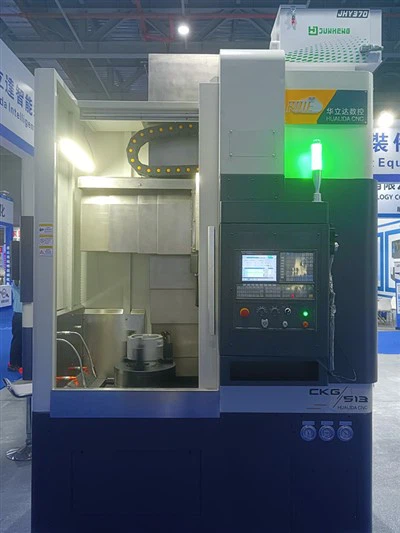
The size and type of a CNC turning machine play a significant role in determining its power consumption. Larger machines generally require more power to operate due to their larger motors, greater weight, and higher torque requirements. For example, a large - scale industrial CNC Lathe and Milling Machine used for heavy - duty machining will consume more power than a smaller, benchtop model designed for light - duty work.
There are also different types of CNC turning machines, such as vertical and horizontal lathes. Vertical lathes often have a different power consumption profile compared to horizontal ones, depending on their design and the way they handle the workpiece. The orientation of the spindle and the cutting forces involved can affect the power needed to drive the machine.
Spindle Speed and Torque
The spindle is one of the most power - hungry components of a CNC turning machine. The speed and torque settings of the spindle have a direct impact on power consumption. When the spindle runs at high speeds, it requires more power to maintain the rotation. Similarly, if high torque is needed for heavy cutting operations, such as roughing a large - diameter workpiece, the power consumption will increase.
Modern CNC turning machines are equipped with variable - speed drives that allow operators to adjust the spindle speed and torque according to the machining requirements. By optimizing these settings, it is possible to reduce power consumption without sacrificing the quality of the machining process. For instance, during finishing operations, where high precision but lower cutting forces are required, reducing the spindle speed can lead to significant energy savings.
Cutting Parameters
The cutting parameters, including cutting speed, feed rate, and depth of cut, also influence the power consumption of a CNC turning machine. Higher cutting speeds generally result in increased power consumption, as the cutting tool has to move faster through the workpiece. A larger feed rate means that more material is being removed per unit of time, which also requires more power. Similarly, a greater depth of cut demands more energy to overcome the resistance of the material.
However, it is important to note that the relationship between cutting parameters and power consumption is not always linear. In some cases, using slightly higher cutting speeds and feed rates within the recommended range can actually improve the efficiency of the machining process and reduce the overall power consumption. This is because the machining time is reduced, and the machine spends less time in operation.
Auxiliary Systems
CNC turning machines are equipped with various auxiliary systems, such as coolant pumps, lubrication systems, and chip conveyors. These systems also consume power. The coolant pump, for example, is used to supply coolant to the cutting area to reduce heat and improve tool life. The size and capacity of the coolant pump determine its power consumption.
Lubrication systems ensure that the moving parts of the machine are properly lubricated to reduce friction and wear. Depending on the type of lubrication system, it may require a certain amount of power to operate. Chip conveyors are used to remove the chips generated during the machining process. The power consumption of a chip conveyor depends on its length, speed, and the volume of chips it needs to handle.
Measuring Power Consumption
To accurately measure the power consumption of a CNC turning machine, it is necessary to use power - monitoring devices. These devices can be installed at the electrical inlet of the machine to measure the real - time power consumption. Some advanced CNC controllers also have built - in power - monitoring capabilities, which can provide valuable data on the power usage of different components of the machine.
By analyzing the power consumption data, operators can identify the peak power usage periods and the components that consume the most power. This information can be used to develop strategies for reducing energy consumption. For example, if it is found that the coolant pump is consuming a significant amount of power during idle periods, it may be possible to install a variable - speed pump or implement a control system to turn off the pump when it is not needed.
Strategies for Reducing Power Consumption
Optimize Machining Programs
One of the most effective ways to reduce power consumption is to optimize the machining programs. By carefully selecting the cutting parameters and tool paths, it is possible to minimize the time the machine spends in operation and reduce the power needed for each machining operation. For example, using a tool path that minimizes unnecessary movements of the cutting tool can save energy.
Modern CAD/CAM software can be used to generate optimized machining programs. These programs can take into account the material properties, machine capabilities, and power consumption characteristics to create the most efficient machining strategy. By simulating the machining process before running it on the actual machine, operators can identify and correct any inefficiencies in the program.
Regular Maintenance
Regular maintenance of the CNC turning machine is essential for ensuring its energy efficiency. Worn - out components, such as bearings and belts, can increase friction and require more power to drive the machine. By replacing these components in a timely manner, the power consumption can be reduced.
Proper lubrication of the moving parts is also crucial. Insufficient lubrication can lead to increased friction and power loss. By following the manufacturer's recommended lubrication schedule, the machine can operate more smoothly and consume less power.
Energy - Saving Features
Many modern CNC turning machines are equipped with energy - saving features. These features may include automatic shutdown functions that turn off the machine when it is idle for a certain period of time. Some machines also have power - management systems that adjust the power consumption of different components based on the machining status.
For example, the spindle may be put into a low - power standby mode when not in use, and the coolant pump may be adjusted to a lower flow rate during light - duty operations. By taking advantage of these energy - saving features, operators can significantly reduce the power consumption of the CNC turning machine.
Impact of Power Consumption on the Business
The power consumption of a CNC turning machine has a direct impact on the operating costs of a manufacturing business. High power consumption means higher electricity bills, which can eat into the profit margins. By reducing power consumption, businesses can lower their production costs and become more competitive in the market.
In addition to cost savings, reducing power consumption also has environmental benefits. It helps to reduce the carbon footprint of the manufacturing process, which is becoming increasingly important in today's environmentally - conscious world. Customers are also more likely to choose suppliers who demonstrate a commitment to sustainable manufacturing practices.


Conclusion
In conclusion, the power consumption of a CNC turning machine is influenced by several factors, including machine size and type, spindle speed and torque, cutting parameters, and auxiliary systems. By understanding these factors and implementing strategies to optimize power consumption, such as optimizing machining programs, performing regular maintenance, and using energy - saving features, it is possible to reduce the energy usage of the machine.
As a supplier of CNC Turning and Milling Machine Tools, we are committed to providing our customers with high - quality machines that are not only efficient in terms of machining performance but also energy - efficient. If you are interested in learning more about our CNC turning machines and how to manage their power consumption, or if you are considering a purchase, please feel free to contact us for further discussion and procurement negotiation.
References
- "CNC Machining Handbook", Industrial Press Inc.
- "Energy Efficiency in Machine Tools", International Journal of Machine Tools and Manufacture.
- Manufacturer's manuals of various CNC turning machines.