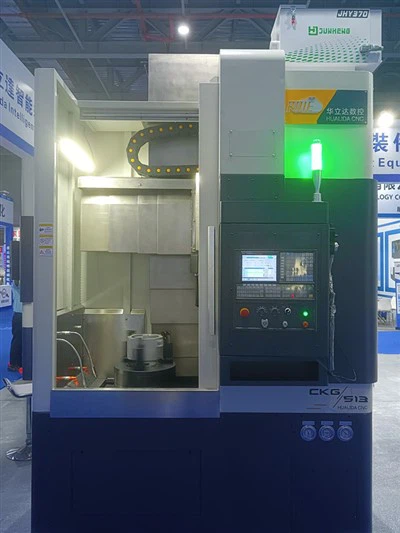
As a supplier of heavy vertical lathes, I've witnessed firsthand the transformative impact of servo motors on these powerful machining tools. In this blog, I'll delve into the crucial role that servo motors play in heavy vertical lathes, exploring their functions, benefits, and the ways they enhance the overall performance of these machines.
Understanding the Basics of Heavy Vertical Lathes
Heavy vertical lathes are large - scale machining tools designed to handle massive workpieces. They are commonly used in industries such as aerospace, energy, and heavy machinery manufacturing. These lathes are capable of performing a variety of operations, including turning, boring, facing, and threading on large - diameter components like engine shafts, turbine discs, and large flanges. The unique vertical orientation of the spindle in a heavy vertical lathe allows for better chip disposal and easier handling of heavy workpieces, making it an ideal choice for machining large and heavy parts.
The Core Role of Servo Motors in Heavy Vertical Lathes
1. Precision Motion Control
One of the primary roles of servo motors in heavy vertical lathes is to provide precise motion control. In machining operations, accuracy is paramount, and the ability to control the movement of the cutting tool and the workpiece with high precision can significantly affect the quality of the finished product. Servo motors are designed to convert electrical signals into mechanical motion with a high degree of accuracy. They can precisely control the position, speed, and torque of the machine's axes, ensuring that the cutting tool moves exactly as intended along the workpiece.
For example, when machining a complex contour on a large - diameter workpiece, the servo motor can adjust the position of the tool in real - time based on the programmed path. This real - time adjustment is crucial for achieving tight tolerances and smooth surface finishes. With the help of advanced servo control algorithms, the motor can compensate for errors caused by factors such as friction, thermal expansion, and mechanical backlash, ensuring that the machining process is as accurate as possible.
2. Speed and Torque Regulation
Heavy vertical lathes often need to operate at different speeds and torques depending on the machining requirements. Servo motors excel in regulating these parameters. They can quickly change speed and torque output in response to the changing demands of the machining process.
During rough machining, high torque is required to remove large amounts of material quickly. Servo motors can provide the necessary torque to drive the cutting tool through the workpiece, ensuring efficient material removal. On the other hand, during finishing operations, the focus shifts to achieving a high - quality surface finish, which requires lower speeds and more precise control. Servo motors can smoothly transition to lower speeds while maintaining the required level of accuracy, allowing for a seamless transition between roughing and finishing operations.
3. Dynamic Response and Stability
In a heavy vertical lathe, the machining process is often subject to various dynamic forces, such as cutting forces, vibrations, and shocks. Servo motors are designed to have a fast dynamic response, which means they can quickly adjust to these changing forces and maintain stable operation.
When a sudden change in cutting force occurs, for example, when the cutting tool encounters a hard spot in the workpiece, the servo motor can immediately adjust its output torque to prevent the tool from stalling or causing excessive wear. This dynamic response helps to improve the overall stability of the machining process, reducing the risk of tool breakage and improving the surface quality of the workpiece.
Benefits of Using Servo Motors in Heavy Vertical Lathes
1. Improved Productivity
The precision and speed control capabilities of servo motors lead to increased productivity in heavy vertical lathes. By enabling faster machining speeds and more efficient material removal, servo motors can significantly reduce the machining time for each workpiece. Additionally, the ability to perform multiple operations in a single setup, thanks to the precise control of the machine's axes, further enhances productivity by eliminating the need for multiple setups and reducing downtime.
2. Enhanced Quality
As mentioned earlier, the precise motion control provided by servo motors results in higher - quality finished products. The ability to achieve tight tolerances and smooth surface finishes is essential for many industries, such as aerospace and automotive, where the performance and reliability of components depend on their dimensional accuracy and surface quality. Servo motors help to meet these strict quality requirements, ensuring that the machined parts are of the highest standard.
3. Energy Efficiency
Servo motors are more energy - efficient compared to traditional motors. They can adjust their power consumption based on the actual load requirements of the machine. During periods of low - load operation, such as when the machine is idling or performing light finishing operations, the servo motor can reduce its power consumption, resulting in significant energy savings over time.
Our Product Range and the Role of Servo Motors
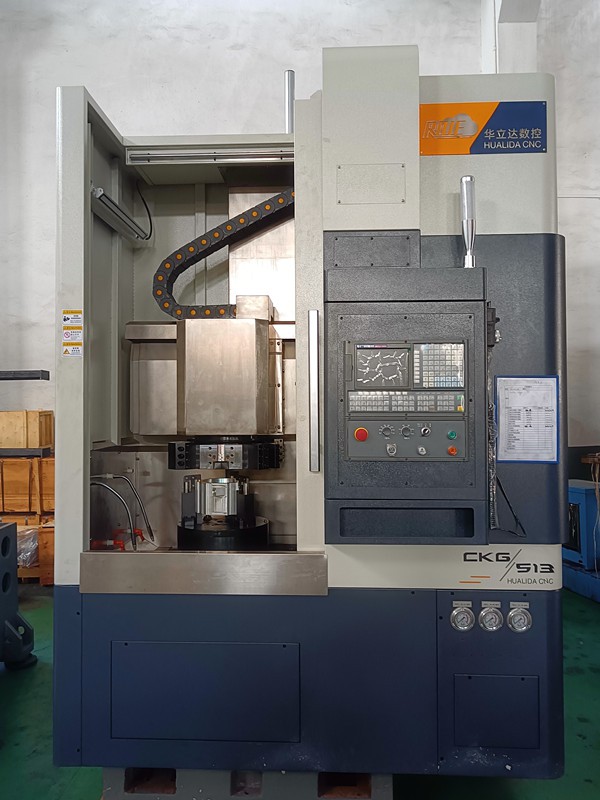
At our company, we offer a wide range of heavy vertical lathes, including Large Cutting Vertical Lathe and Hard Rail Vertical Lathe, all of which are equipped with high - quality servo motors. These servo motors are carefully selected to match the specific requirements of each lathe model, ensuring optimal performance and reliability.
Our Vertical Lathe Machine series benefits greatly from the advanced features of servo motors. Whether it's for rough machining large - scale components or performing delicate finishing operations, the servo motors in our lathes provide the precision, speed, and stability needed to achieve excellent results.

Conclusion and Call to Action
In conclusion, servo motors play an indispensable role in heavy vertical lathes. They are the key to achieving precision, productivity, and quality in machining operations. As a leading supplier of heavy vertical lathes, we are committed to providing our customers with the best - in - class machines equipped with advanced servo motor technology.
If you are in the market for a heavy vertical lathe and are looking for a reliable and high - performance solution, we invite you to contact us for a detailed discussion. Our team of experts is ready to assist you in selecting the right lathe model for your specific needs and to provide you with comprehensive technical support.
References
- Smith, J. (2018). Advanced Machining Technology. Publisher: MachTech Press.
- Brown, A. (2019). Servo Motor Applications in Industrial Machinery. Journal of Industrial Engineering, 25(3), 123 - 135.
- Johnson, R. (2020). Precision Machining with Heavy Vertical Lathes. Manufacturing Insights, 12(2), 45 - 52.