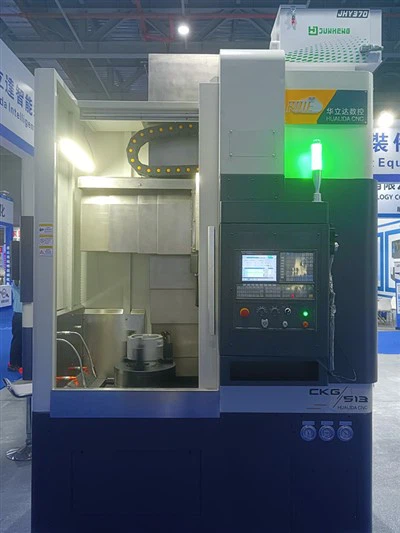
Hey there! As a supplier of Heavy Cutting Vertical Lathes, I often get asked about the weight capacity of the worktable. It's a crucial factor, especially for those in industries that deal with heavy and large workpieces. So, let's dive into this topic and figure out what the weight capacity of the worktable of a heavy cutting vertical lathe really means and how it impacts your operations.
First off, what exactly is a heavy cutting vertical lathe? Well, it's a powerful machine designed to handle tough machining jobs. These lathes are built to cut through thick and hard materials, like steel and alloys, with precision. They're commonly used in industries such as automotive, aerospace, and heavy machinery manufacturing. You can check out more about our Heavy Vertical Lathe on our website.
The weight capacity of the worktable is the maximum amount of weight that the table can safely support during operation. This includes the weight of the workpiece itself, any fixtures or clamping devices used to hold the workpiece in place, and even the weight of any cutting tools that might be in contact with the workpiece. It's important to note that exceeding the weight capacity can lead to a whole bunch of problems.
One of the main issues is accuracy. When the worktable is overloaded, it can cause the machine to vibrate. These vibrations can transfer to the cutting process, resulting in poor surface finish and inaccurate dimensions of the machined part. You don't want to end up with parts that don't meet the required specifications, right?
Another problem is wear and tear. Overloading the worktable puts extra stress on the machine's components, such as the bearings, guides, and drive systems. This can lead to premature wear, which means more frequent maintenance and replacement of parts. And let's face it, that can get pretty expensive in the long run.
So, how do you determine the right weight capacity for your needs? Well, it depends on a few factors. The first thing you need to consider is the size and weight of the workpieces you typically work with. If you're dealing with small, lightweight parts, you might not need a lathe with a high weight capacity. On the other hand, if you're working on large, heavy components, you'll definitely want a lathe that can handle the load.
You also need to think about future growth. If you expect your business to expand and start working with larger workpieces in the future, it might be a good idea to invest in a lathe with a higher weight capacity right from the start. This way, you won't have to replace the machine later on.
Now, let's talk about the different types of heavy cutting vertical lathes and how their weight capacities vary. We have the Vertical CNC Lathe, which offers high precision and automation. These lathes usually come in a range of weight capacities, depending on the model and size. Some smaller models might have a worktable weight capacity of around 1,000 to 2,000 kilograms, while larger industrial-grade ones can handle weights of up to 20,000 kilograms or more.
Then there's the Hard Rail Vertical Lathe. These lathes are known for their robustness and stability. They're often used for heavy-duty cutting operations. The weight capacity of hard rail vertical lathes can also vary widely. Generally, they can support heavier loads compared to some other types of lathes, with capacities ranging from a few thousand kilograms to tens of thousands of kilograms.
When choosing a heavy cutting vertical lathe based on weight capacity, it's also important to look at the overall design and construction of the machine. A well-built lathe with a strong and rigid frame will be better able to handle heavy loads without compromising on performance. You should also consider the quality of the components used in the machine, such as the spindle, bearings, and drive systems. High-quality components can ensure smooth operation and long-term reliability, even under heavy loads.
In addition to the weight capacity of the worktable, you might also want to consider the maximum turning diameter and height of the lathe. These dimensions are related to the size of the workpieces that the machine can accommodate. For example, if you have a large-diameter workpiece, you'll need a lathe with a sufficient turning diameter. And if the workpiece is tall, the lathe should have enough height clearance to allow for proper machining.

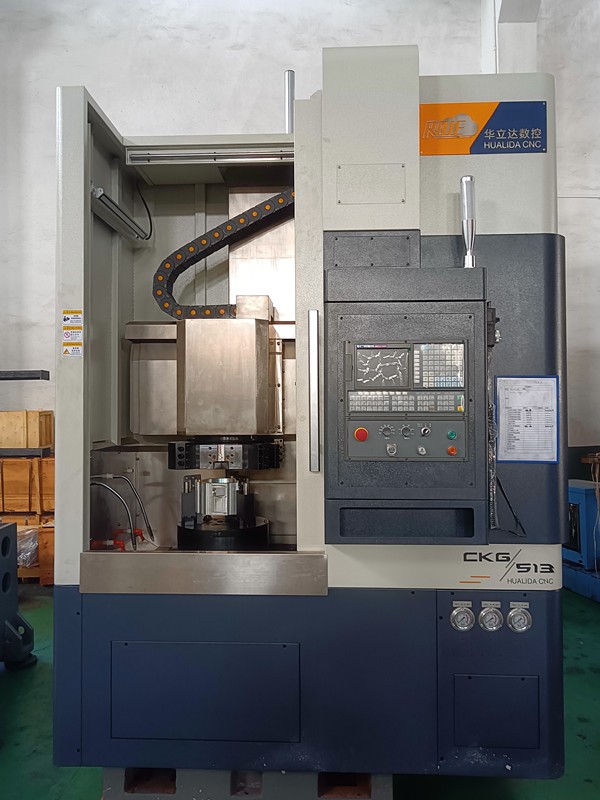
It's also a good idea to consult with an expert or a sales representative from a reputable lathe supplier. They can help you understand the technical specifications of different models and recommend the best lathe for your specific requirements. At our company, we have a team of experienced professionals who are always ready to assist you in making the right choice.
So, to sum it all up, the weight capacity of the worktable of a heavy cutting vertical lathe is a critical factor that you need to consider when purchasing a machine. It affects the accuracy, performance, and longevity of the lathe. By choosing the right weight capacity based on your current and future needs, and by selecting a high-quality machine, you can ensure that your machining operations run smoothly and efficiently.
If you're interested in learning more about our heavy cutting vertical lathes or have any questions regarding weight capacity or other specifications, don't hesitate to reach out. We're here to help you find the perfect solution for your machining needs. Let's start a conversation and see how we can work together to improve your production processes.
References
- General knowledge of heavy cutting vertical lathes from industry experience.
- Technical specifications and brochures of various heavy cutting vertical lathe models.