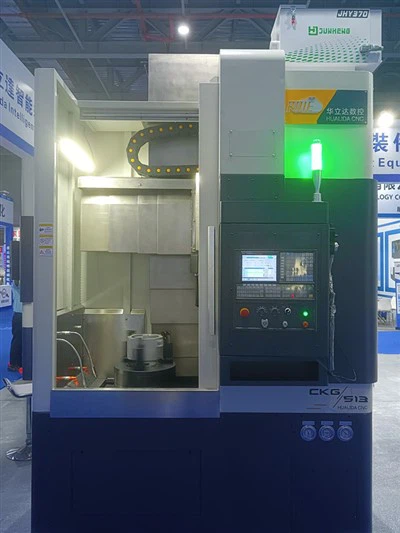
What is the weight of a Hard Rail Vertical Lathe?
As a supplier of Hard Rail Vertical Lathes, I often get asked about the weight of these machines. The weight of a Hard Rail Vertical Lathe is not just a random number; it is a crucial factor that impacts various aspects of the machine's performance, installation, and operation.
Significance of the Weight
The weight of a Hard Rail Vertical Lathe is closely related to its stability. A heavier machine generally provides better stability during the machining process. When performing heavy - cutting operations, vibrations can significantly affect the accuracy of the workpiece. A substantial weight helps to dampen these vibrations, ensuring that the cutting tool maintains a precise path and produces high - quality finished products. For instance, in industries such as aerospace and automotive, where precision is of utmost importance, a stable Hard Rail Vertical Lathe is essential. The ability to resist vibrations allows for more consistent cuts, reducing the need for rework and improving overall production efficiency.
Moreover, the weight also reflects the machine's structural integrity. A well - built Hard Rail Vertical Lathe with a proper weight distribution is likely to have a more robust frame and components. This means that the machine can withstand the forces exerted during heavy - duty machining for a longer period without suffering from premature wear and tear. It is an indication of the machine's durability and reliability, which are highly valued by manufacturers who rely on these machines for their daily production.
Factors Affecting the Weight
Several factors contribute to the weight of a Hard Rail Vertical Lathe. One of the primary factors is the size of the machine. Larger Hard Rail Vertical Lathes, which are capable of handling bigger workpieces, naturally have a greater weight. These machines need to have a larger base and more substantial structural components to support the weight of the workpiece and the cutting forces. For example, a Hard Rail Vertical Lathe designed to machine large - diameter discs for industrial turbines will be much heavier than one used for smaller, more delicate parts.
The materials used in the construction of the machine also play a significant role. High - quality cast iron is a common material for the base and other structural parts of Hard Rail Vertical Lathes. Cast iron has excellent damping properties, which helps in reducing vibrations, but it is also relatively heavy. Some advanced models may incorporate steel alloys in certain components to achieve a balance between weight and strength. The type and quantity of the cutting tools, motors, and other accessories installed on the machine also add to its overall weight.
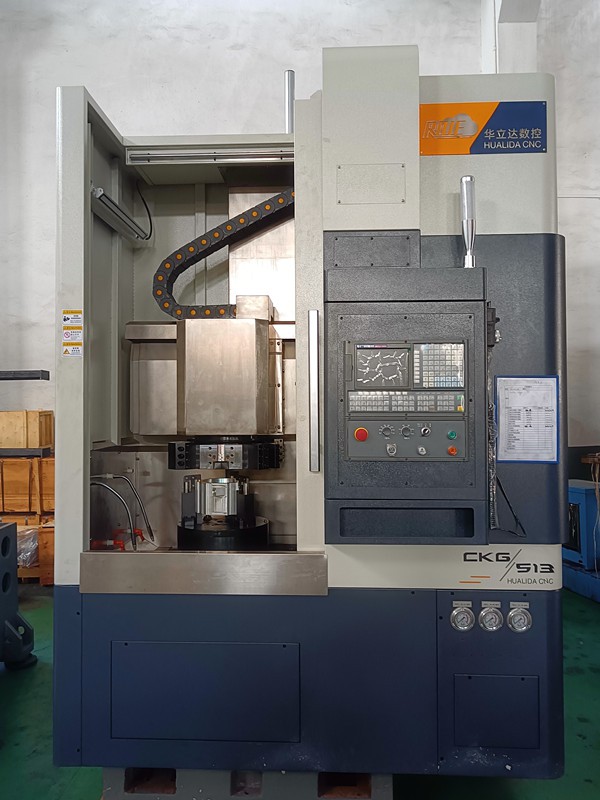
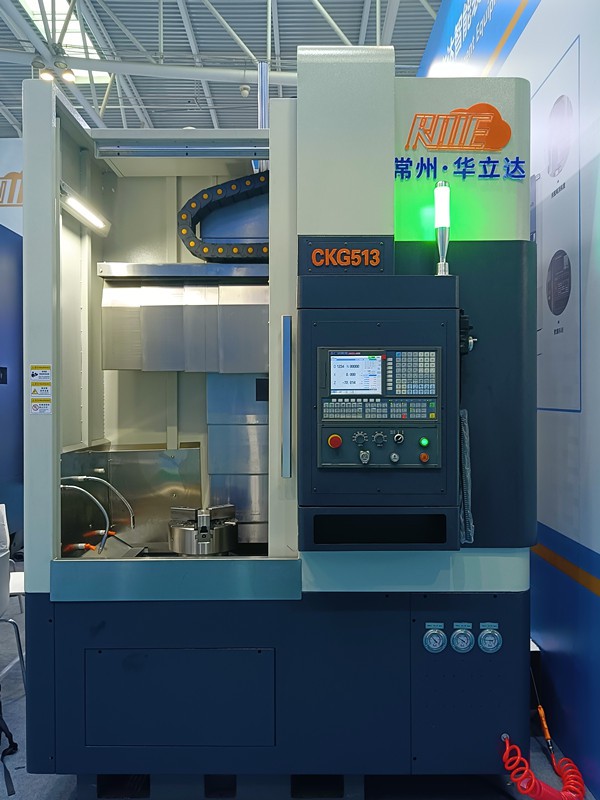
Typical Weight Ranges
The weight of Hard Rail Vertical Lathes can vary widely depending on their specifications. Smaller, entry - level Hard Rail Vertical Lathes, which are suitable for small - scale workshops and light - duty machining, may weigh around 2 - 5 tons. These machines are often used for machining small - sized components such as gears and bushings.
Medium - sized Hard Rail Vertical Lathes, which are more commonly found in medium - sized manufacturing facilities, typically weigh between 5 - 15 tons. These machines can handle a wider range of workpieces and are capable of performing more complex machining operations.
Large - scale, heavy - duty Hard Rail Vertical Lathes, which are used in industries such as heavy machinery manufacturing and shipbuilding, can weigh upwards of 15 tons, and in some extreme cases, they can exceed 50 tons. These machines are designed to handle massive workpieces and perform heavy - cutting operations with high precision.
Impact on Installation and Transportation
The weight of a Hard Rail Vertical Lathe has significant implications for its installation and transportation. When installing a heavy machine, a suitable foundation needs to be prepared. The foundation must be able to support the weight of the machine and distribute the forces evenly to prevent any settlement or uneven loading, which could affect the machine's accuracy. Specialized installation equipment and techniques may be required, and in some cases, professional installers need to be hired.
Transporting a Hard Rail Vertical Lathe also poses challenges due to its weight. Specialized heavy - haulage vehicles and equipment are needed to move these machines safely. The transportation process requires careful planning to ensure that the machine is not damaged during transit. Insurance and permits may also be necessary, adding to the overall cost of getting the machine to its destination.
Comparing with Other Types of Lathes
When comparing Hard Rail Vertical Lathes with other types of lathes, such as the Heavy Vertical Lathe, the weight differences can be quite significant. Heavy Vertical Lathes are generally designed for extremely heavy - duty applications and are often even heavier than Hard Rail Vertical Lathes. They are built to handle the most massive workpieces and can provide high - power cutting capabilities.
On the other hand, some modern, lightweight lathes are designed for more specific, high - speed, and precision - oriented tasks. These lathes may sacrifice some weight for increased speed and agility. However, they may not be suitable for heavy - cutting operations like those that can be performed by Hard Rail Vertical Lathes.
Weight and Performance in Heavy Cutting
In the context of Heavy Cutting and Vertical Lathe operations, the weight of a Hard Rail Vertical Lathe is a critical factor. During heavy cutting, large amounts of force are exerted on the machine. A heavier machine can better absorb these forces and maintain its position and accuracy. This is especially important when removing large amounts of material from a workpiece in a single pass.
The weight also affects the power consumption of the machine during heavy - cutting operations. A heavier machine may require more power to move the cutting tool and the workpiece, but it can also provide more stable cutting conditions, which may result in less wasted energy due to vibrations and inaccurate cuts.
Conclusion
In conclusion, the weight of a Hard Rail Vertical Lathe is a multi - faceted characteristic that has far - reaching implications for its performance, installation, and overall suitability for different manufacturing applications. It is a key factor that manufacturers should consider when selecting a Hard Rail Vertical Lathe for their production needs.
If you are in the market for a Hard Rail Vertical Lathe and want to discuss how the weight and other features of our machines can meet your specific requirements, we invite you to contact us for a detailed consultation. Our team of experts is ready to assist you in making the right choice for your manufacturing operations.
References
- "Machine Tool Handbook" - A comprehensive guide on various types of machine tools, including vertical lathes.
- Industry reports on the manufacturing and performance of Hard Rail Vertical Lathes.