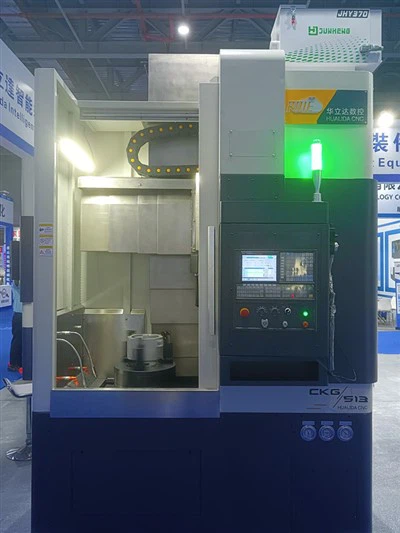
CNC turning is a subtractive manufacturing process that uses computer numerical control (CNC) machines to create cylindrical parts from a variety of materials. As a leading supplier of CNC Turning and Milling, I have extensive experience working with different materials in CNC turning operations. In this blog post, I will explore the various materials that can be used in CNC turning, their properties, and their applications.
Metals
Aluminum
Aluminum is one of the most commonly used materials in CNC turning due to its excellent machinability, lightweight, and corrosion resistance. It is available in various alloys, each with its own unique properties. For example, 6061 aluminum is a general-purpose alloy known for its good strength-to-weight ratio and weldability, making it suitable for a wide range of applications, including automotive parts, aerospace components, and consumer electronics. 7075 aluminum, on the other hand, is a high-strength alloy often used in applications where superior strength is required, such as aircraft structural parts and high-performance sporting equipment.
Steel
Steel is another popular material for CNC turning, offering high strength, durability, and wear resistance. There are different types of steel, including carbon steel, alloy steel, and stainless steel. Carbon steel is relatively inexpensive and has good machinability, making it suitable for general engineering applications. Alloy steel contains additional elements such as chromium, nickel, and molybdenum, which enhance its strength, hardness, and corrosion resistance. Stainless steel is known for its excellent corrosion resistance and is commonly used in applications where hygiene and aesthetics are important, such as food processing equipment, medical devices, and architectural components.
Brass
Brass is a copper-zinc alloy that is easy to machine and has good electrical conductivity. It is often used in applications where electrical conductivity and corrosion resistance are required, such as electrical connectors, plumbing fixtures, and musical instruments. Brass also has a pleasing golden color, which makes it a popular choice for decorative applications.
Titanium
Titanium is a lightweight, high-strength metal with excellent corrosion resistance. It is commonly used in aerospace, medical, and automotive industries due to its unique combination of properties. Titanium is biocompatible, making it suitable for medical implants, and its high strength-to-weight ratio makes it ideal for aerospace components. However, titanium is more difficult to machine than other metals, requiring specialized cutting tools and machining techniques.
Plastics
Acrylic
Acrylic is a transparent thermoplastic that is easy to machine and has good optical properties. It is often used in applications where transparency and aesthetics are important, such as display cases, signage, and lighting fixtures. Acrylic can be easily cut, drilled, and polished, making it a versatile material for CNC turning.
Polycarbonate
Polycarbonate is a strong, impact-resistant thermoplastic with excellent optical clarity. It is commonly used in applications where high impact resistance and transparency are required, such as safety glasses, automotive headlamps, and electronic device housings. Polycarbonate can be machined using standard CNC turning techniques, but it is important to use sharp cutting tools to avoid melting or chipping the material.
Nylon
Nylon is a strong, lightweight thermoplastic with good wear resistance and low friction. It is often used in applications where mechanical properties and self-lubrication are important, such as gears, bearings, and bushings. Nylon can be easily machined using CNC turning, but it may require special handling to prevent moisture absorption, which can affect its dimensional stability.
PEEK
PEEK (polyetheretherketone) is a high-performance thermoplastic with excellent mechanical properties, chemical resistance, and temperature resistance. It is commonly used in aerospace, automotive, and medical industries due to its ability to withstand harsh environments. PEEK can be machined using CNC turning, but it requires specialized cutting tools and machining parameters due to its high melting point and toughness.

Composites
Carbon Fiber Reinforced Polymer (CFRP)
CFRP is a composite material consisting of carbon fibers embedded in a polymer matrix. It offers high strength, stiffness, and lightweight, making it a popular choice for aerospace, automotive, and sporting goods applications. CFRP can be machined using CNC turning, but it requires specialized cutting tools and techniques to prevent delamination and fiber pull-out.
Glass Fiber Reinforced Polymer (GFRP)
GFRP is a composite material consisting of glass fibers embedded in a polymer matrix. It is less expensive than CFRP and offers good strength and stiffness. GFRP is commonly used in applications where cost-effectiveness and moderate mechanical properties are required, such as automotive body parts, boat hulls, and wind turbine blades. GFRP can be machined using standard CNC turning techniques, but it may produce dust and debris that need to be properly managed.
Other Materials
Wood
Wood is a natural material that can be used in CNC turning to create decorative and functional parts. It is easy to machine and has a unique aesthetic appeal. Wood can be used in applications such as furniture, musical instruments, and handicrafts. However, wood is a heterogeneous material, and its properties can vary depending on the species, grain direction, and moisture content.
Ceramics
Ceramics are hard, brittle materials with excellent heat resistance and chemical stability. They are commonly used in applications where high temperature resistance and wear resistance are required, such as cutting tools, engine components, and electronic substrates. Ceramics can be machined using CNC turning, but it requires specialized cutting tools and machining parameters due to their hardness and brittleness.
In conclusion, there are a wide variety of materials that can be used in CNC turning, each with its own unique properties and applications. As a CNC Turning and Milling supplier, we have the expertise and experience to work with different materials and provide high-quality precision parts. Whether you need parts made from metals, plastics, composites, or other materials, we can help you find the right solution for your specific requirements.
If you are interested in our CNC Lathe and Milling Machine or CNC Turning and Milling Machine Tools, please feel free to contact us for more information. We look forward to discussing your project and providing you with a competitive quote.
References
- "Machining of Metals: An Introduction to the Fundamentals of Cutting", by Peter Oxley.
- "Plastics Materials", by John A. Brydson.
- "Composite Materials: Design and Applications", by Daniel Asp.
- "Wood Technology: From Log to finished Product", by Roger H. White.
- "Ceramics Processing and Sintering", by Michael A. Janney.