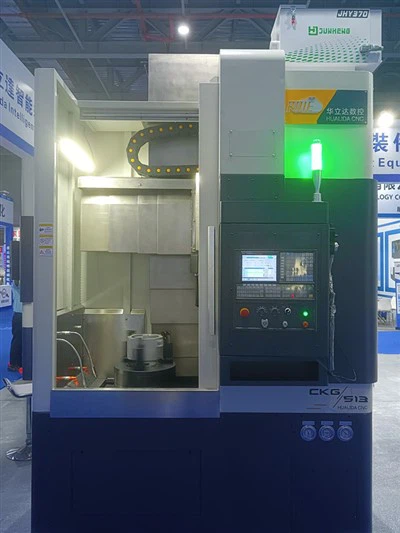
As a reputable supplier of Hard Rail Vertical Lathes, I am often asked about the types of materials these remarkable machines can process. Hard Rail Vertical Lathes are known for their robustness, precision, and versatility, making them suitable for a wide range of materials. In this blog post, I will explore the various materials that a Hard Rail Vertical Lathe can handle, highlighting the unique challenges and advantages associated with each.
Metals
Metals are the most common materials processed by Hard Rail Vertical Lathes. Their high strength, durability, and conductivity make them essential in various industries, including automotive, aerospace, and manufacturing.
Steel
Steel is one of the most widely used metals in the world, and Hard Rail Vertical Lathes are well-equipped to handle it. From mild steel to high-strength alloy steels, these lathes can perform a variety of operations such as turning, boring, facing, and threading. The hardness and toughness of steel can pose challenges, but the rigid structure and powerful spindles of Hard Rail Vertical Lathes ensure accurate and efficient machining. For instance, in the production of automotive components like crankshafts and axles, Hard Rail Vertical Lathes can precisely shape steel parts to meet the strict quality standards. To learn more about heavy cutting capabilities related to vertical lathes, you can visit Heavy Cutting and Vertical Lathe.
Aluminum
Aluminum is a lightweight and corrosion-resistant metal that is widely used in the aerospace and automotive industries. Hard Rail Vertical Lathes can easily machine aluminum due to its relatively low hardness. High-speed machining is often employed when working with aluminum to achieve smooth surfaces and tight tolerances. The ability to remove material quickly makes these lathes ideal for producing large aluminum components such as aircraft wing sections and engine blocks. If you are interested in general vertical lathe machines that can handle aluminum and other materials, check out Vertical Lathe Machine.
Copper and Brass
Copper and brass are known for their excellent electrical and thermal conductivity, as well as their aesthetic appeal. Hard Rail Vertical Lathes can produce intricate parts from these materials, such as electrical connectors, plumbing fixtures, and decorative items. The softness of copper and brass allows for easy machining, but proper tool selection and cutting parameters are crucial to prevent material buildup and ensure a high-quality finish.
Titanium
Titanium is a high-strength, lightweight metal that is commonly used in the aerospace, medical, and military industries. Machining titanium can be challenging due to its high chemical reactivity and low thermal conductivity, which can lead to rapid tool wear. However, Hard Rail Vertical Lathes with advanced cooling systems and appropriate cutting tools can effectively process titanium. These lathes can produce complex titanium components such as turbine blades and surgical implants with high precision. For more information on vertical CNC lathes that can handle difficult-to-machine materials like titanium, visit Vertical CNC Lathe.
Plastics
Plastics are increasingly being used in various industries due to their lightweight, low cost, and ease of processing. Hard Rail Vertical Lathes can machine a wide range of plastics, including thermoplastics and thermosetting plastics.
Acrylic
Acrylic is a transparent plastic that is commonly used in signage, displays, and optical applications. Hard Rail Vertical Lathes can cut, drill, and shape acrylic with high precision, producing smooth and clear surfaces. However, care must be taken to prevent melting and chipping during machining, as acrylic is sensitive to heat.
Nylon
Nylon is a strong and durable plastic that is used in a variety of applications, such as gears, bearings, and automotive parts. Hard Rail Vertical Lathes can machine nylon with relative ease, but the material's tendency to absorb moisture can affect its dimensional stability. Therefore, proper storage and handling of nylon parts are essential.
Polycarbonate
Polycarbonate is a tough and impact-resistant plastic that is widely used in the electronics, automotive, and construction industries. Hard Rail Vertical Lathes can perform precision machining on polycarbonate, but the material's high viscosity can make chip evacuation difficult. Using appropriate cutting tools and coolant can help overcome this challenge.


Composites
Composites are materials made by combining two or more different materials to achieve specific properties. Hard Rail Vertical Lathes can process various composite materials, including carbon fiber composites and fiberglass composites.
Carbon Fiber Composites
Carbon fiber composites are known for their high strength-to-weight ratio and excellent stiffness. They are widely used in the aerospace, automotive, and sports industries. Machining carbon fiber composites requires specialized tools and techniques to prevent delamination and fiber pull-out. Hard Rail Vertical Lathes with high spindle speeds and precise control can effectively machine carbon fiber composite parts, such as aircraft wings and racing car components.
Fiberglass Composites
Fiberglass composites are made by embedding glass fibers in a resin matrix. They are commonly used in the marine, construction, and automotive industries. Hard Rail Vertical Lathes can machine fiberglass composites, but the abrasive nature of the glass fibers can cause rapid tool wear. Using diamond-coated or carbide cutting tools can help extend tool life.
Ceramics
Ceramics are hard, brittle materials that are used in various high-temperature and wear-resistant applications. Machining ceramics can be extremely challenging due to their high hardness and low fracture toughness. However, Hard Rail Vertical Lathes with advanced machining capabilities can process certain types of ceramics.
Alumina Ceramics
Alumina ceramics are widely used in electrical insulators, cutting tools, and wear-resistant components. Hard Rail Vertical Lathes can perform precision machining on alumina ceramics using diamond grinding wheels or electro-discharge machining (EDM) techniques. These methods can achieve high accuracy and surface finish, but they require careful control of the machining parameters to prevent cracking and chipping.
Conclusion
In conclusion, Hard Rail Vertical Lathes are highly versatile machines that can process a wide range of materials, including metals, plastics, composites, and ceramics. The ability to handle different materials makes these lathes suitable for various industries, from automotive and aerospace to electronics and medical. However, each material presents unique challenges, and proper tool selection, cutting parameters, and machining techniques are essential to achieve optimal results.
If you are in the market for a Hard Rail Vertical Lathe or have specific machining requirements, I encourage you to contact us for a detailed discussion. Our team of experts can provide you with the best solutions tailored to your needs. Let's work together to take your machining operations to the next level.
References
- "Machining of Advanced Materials" by John A. Schey
- "Handbook of Manufacturing Engineering and Technology" by Yip-Hoi Chu