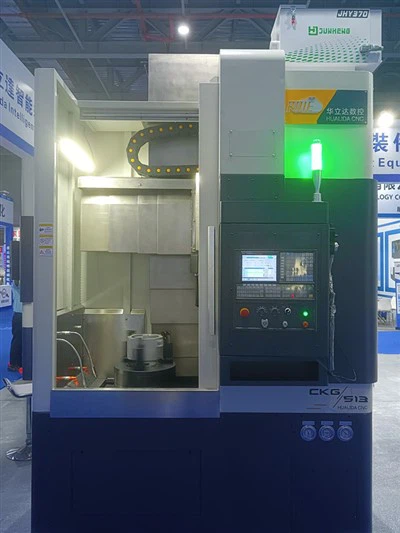
Can a CNC Vertical Mill be Used for Milling Non - Metallic Materials?
In the manufacturing industry, the versatility of machine tools is a highly sought - after characteristic. One such machine that often comes under scrutiny for its potential in various applications is the CNC vertical mill. As a supplier of CNC vertical mills, I am frequently asked whether these machines can be effectively used for milling non - metallic materials. In this blog post, I will delve into this topic, exploring the capabilities, considerations, and benefits of using a CNC vertical mill for non - metallic material milling.
Understanding CNC Vertical Mills
Before we discuss the application to non - metallic materials, let's briefly understand what a CNC vertical mill is. A CNC (Computer Numerical Control) vertical mill is a precision machining tool that uses computer - controlled movements to remove material from a workpiece. The cutting tool is mounted vertically on a spindle, and the workpiece is held on a table. This setup allows for precise control over the cutting process, enabling the creation of complex shapes and geometries with high accuracy.
There are different types of CNC vertical mills available, such as the Fixed Beam CNC Vertical Milling Machine. This type offers stability and precision, making it suitable for a wide range of milling tasks. Additionally, we also provide Turning and Grinding Compound Machine Tools and High Precision Vertical Lathe, which can complement the milling process in certain applications.
Milling Non - Metallic Materials with a CNC Vertical Mill
Non - metallic materials encompass a wide range of substances, including plastics, wood, composites, ceramics, and glass. Each of these materials has its own unique properties, which affect how they can be milled using a CNC vertical mill.
Plastics
Plastics are one of the most commonly milled non - metallic materials. They are relatively soft and have low melting points compared to metals. When milling plastics, it is important to use sharp cutting tools to prevent melting and ensure a clean cut. High - speed steel (HSS) or carbide - tipped tools are often used. The cutting speed and feed rate need to be carefully adjusted to avoid overheating the plastic. For example, when milling acrylic plastics, a slower feed rate and higher spindle speed can help achieve a smooth finish. CNC vertical mills are well - suited for plastic milling as they can precisely control these parameters, allowing for the production of intricate plastic parts such as prototypes, signs, and custom components.
Wood
Wood is another popular non - metallic material for milling. It has a fibrous structure, which can cause tear - out if not milled correctly. The choice of cutting tool is crucial; for wood, spiral - flute end mills are often preferred as they can effectively chip and evacuate the wood chips. The cutting speed and feed rate depend on the type of wood, with softer woods generally allowing for higher feed rates. CNC vertical mills can handle wood milling tasks ranging from simple decorative pieces to complex furniture components. The ability to program precise movements enables the creation of detailed patterns and joints, making it a valuable tool for woodworkers.
Composites
Composites are materials made by combining two or more different substances, such as carbon fiber reinforced polymers (CFRP) or glass fiber reinforced polymers (GFRP). Milling composites can be challenging due to their heterogeneous nature and the potential for delamination. Specialized cutting tools with sharp edges and appropriate coatings are required to minimize damage to the composite structure. CNC vertical mills can be used to mill composites by carefully controlling the cutting forces and using strategies such as helical interpolation to reduce the risk of delamination. This is important in industries such as aerospace and automotive, where composites are increasingly used for lightweight and high - strength components.
Ceramics and Glass
Ceramics and glass are hard and brittle materials. Milling them requires high - precision machining and the use of diamond - coated cutting tools. The cutting process generates a lot of heat, so proper cooling is essential to prevent cracking. CNC vertical mills can be used for ceramic and glass milling, but the process is more complex and requires a high level of expertise. Applications include the production of precision ceramic parts for electronics and optical components from glass.
Advantages of Using a CNC Vertical Mill for Non - Metallic Materials
There are several advantages to using a CNC vertical mill for milling non - metallic materials:
Precision
CNC vertical mills offer high precision and repeatability. The computer - controlled movements ensure that each part is milled to the exact specifications, which is crucial for applications where tight tolerances are required. This is especially important for non - metallic materials used in industries such as electronics and medical devices.


Flexibility
These machines can be easily programmed to mill different shapes and sizes of non - metallic workpieces. Whether it's a simple rectangular shape or a complex 3D model, the CNC vertical mill can handle the task. This flexibility allows for the production of custom - made parts without the need for expensive tooling changes.
Efficiency
Once the CNC program is set up, the milling process can be automated, reducing the need for manual labor. This increases productivity and reduces production time, making it cost - effective for both small - scale and large - scale production.
Quality
The ability to control the cutting parameters precisely results in a high - quality finish on non - metallic parts. This is important for applications where the appearance and functionality of the part are critical.
Considerations when Milling Non - Metallic Materials
While CNC vertical mills are suitable for non - metallic material milling, there are some considerations to keep in mind:
Tool Wear
Non - metallic materials can cause significant tool wear, especially when using high - speed cutting. Regular inspection and replacement of cutting tools are necessary to maintain the quality of the milling process.
Dust and Debris
Milling non - metallic materials often generates dust and debris, which can be hazardous to the operator's health and can also damage the machine. Proper dust collection systems should be installed to ensure a safe and clean working environment.
Material Properties
As mentioned earlier, each non - metallic material has its own unique properties. Understanding these properties and adjusting the milling parameters accordingly is essential for achieving the best results.
Conclusion
In conclusion, a CNC vertical mill can indeed be used for milling non - metallic materials. The versatility of these machines, combined with their precision and flexibility, makes them a valuable tool in the manufacturing of a wide range of non - metallic parts. Whether you are in the plastics, wood, composites, ceramics, or glass industry, a CNC vertical mill can help you achieve high - quality, precise, and efficient milling operations.
If you are interested in exploring the possibilities of using a CNC vertical mill for your non - metallic material milling needs, I encourage you to contact us for a detailed discussion. Our team of experts can provide you with the right advice and solutions tailored to your specific requirements.
References
- "Machining of Composite Materials" by P. K. Mallick
- "Wood Machining Technology" by Ralph E. Schneider
- "Plastic Machining Handbook" by George A. Kraus