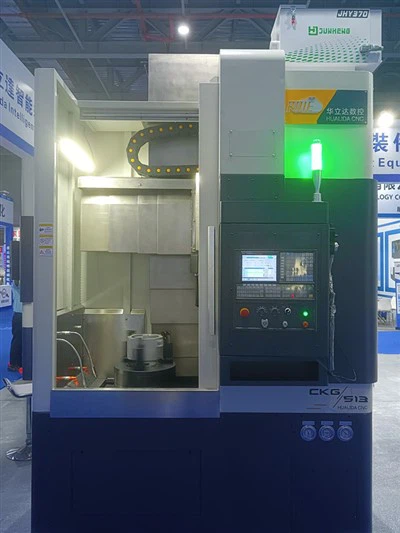
As a supplier of Hard Rail Vertical Lathes, I often encounter inquiries from customers regarding the suitability of these machines for machining large-sized workpieces. This blog post aims to delve into this topic comprehensively, providing in-depth analysis and practical insights based on our experience in the industry.
Understanding the Hard Rail Vertical Lathe
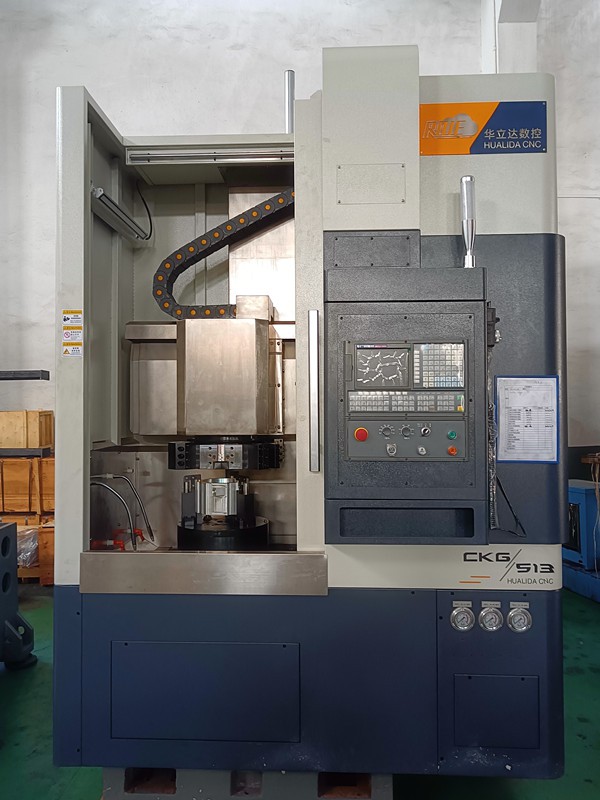
Before discussing its application to large-sized workpieces, it's essential to understand what a Hard Rail Vertical Lathe is. A Hard Rail Vertical Lathe is a type of vertical lathe that utilizes hard rails for guiding the movement of the tool post and other components. Hard rails are known for their high rigidity and stability, which are crucial for achieving precise machining operations.
The design of a Hard Rail Vertical Lathe places the workpiece vertically, allowing for better support and handling of heavy and large parts. This vertical orientation also helps in managing the cutting forces more effectively, reducing the risk of workpiece deformation during machining.
Capabilities for Machining Large-Sized Workpieces
Rigidity and Stability
One of the primary advantages of a Hard Rail Vertical Lathe when it comes to machining large-sized workpieces is its inherent rigidity. Large workpieces often require significant cutting forces to shape and finish them. The hard rails on these lathes can withstand these high forces without excessive deflection, ensuring that the machining process remains accurate and consistent.
For example, when machining large-diameter discs or cylinders, the stability provided by the hard rails prevents the tool from deviating from its intended path, resulting in precise dimensions and smooth surface finishes. This is particularly important in industries such as aerospace and heavy machinery manufacturing, where tight tolerances are critical.
Load-Bearing Capacity
Large-sized workpieces can be extremely heavy. A Hard Rail Vertical Lathe is designed with a robust structure and a high load-bearing capacity to accommodate these heavy loads. The vertical orientation of the workpiece allows the machine to distribute the weight evenly across its base and support structures, minimizing the stress on individual components.
This load-bearing capacity is crucial for machining large workpieces that may weigh several tons. It ensures that the machine can operate safely and efficiently without any risk of structural failure or excessive wear and tear.
Machining Range
Hard Rail Vertical Lathes typically offer a wide machining range, both in terms of diameter and height. This makes them suitable for machining a variety of large-sized workpieces, from small to extremely large dimensions.
The large machining range allows for flexibility in production, enabling manufacturers to handle different types of large workpieces without the need for multiple machines. For instance, a single Hard Rail Vertical Lathe can be used to machine both small-diameter shafts and large-diameter flanges, providing cost-effective solutions for businesses.
Challenges and Considerations
Setup and Installation
Machining large-sized workpieces on a Hard Rail Vertical Lathe requires careful setup and installation. The workpiece needs to be properly aligned and secured to ensure accurate machining. This may involve the use of specialized fixtures and clamping devices to hold the workpiece firmly in place.
Additionally, the machine itself needs to be installed on a stable foundation to prevent vibrations and ensure optimal performance. Any misalignment or instability during setup can lead to inaccurate machining results and potential damage to the machine.
Tooling and Cutting Parameters
Selecting the appropriate tooling and cutting parameters is crucial when machining large-sized workpieces on a Hard Rail Vertical Lathe. The cutting tools need to be able to withstand the high cutting forces and remove material efficiently.
The cutting parameters, such as cutting speed, feed rate, and depth of cut, also need to be carefully adjusted based on the material of the workpiece and the specific machining requirements. Incorrect tooling or cutting parameters can result in poor surface finishes, tool wear, and even damage to the workpiece.
Operator Skill and Experience
Operating a Hard Rail Vertical Lathe to machine large-sized workpieces requires a high level of skill and experience. The operator needs to have a thorough understanding of the machine's capabilities, as well as the machining processes involved.
They need to be able to read and interpret technical drawings accurately, set up the machine correctly, and monitor the machining process to ensure quality and safety. Proper training and experience are essential for achieving optimal results when machining large workpieces.

Applications in Different Industries
Aerospace Industry
In the aerospace industry, large-sized components such as turbine discs, engine casings, and landing gear parts are commonly machined using Hard Rail Vertical Lathes. The high precision and rigidity of these lathes are crucial for meeting the strict quality and safety standards of the aerospace industry.
The ability to machine large workpieces accurately and efficiently helps in reducing production time and costs, while also ensuring the reliability and performance of aerospace components.
Heavy Machinery Manufacturing
Heavy machinery manufacturers often deal with large-sized workpieces, such as large gears, shafts, and frames. A Hard Rail Vertical Lathe is an ideal choice for machining these components due to its high load-bearing capacity and machining range.
The ability to handle heavy loads and perform complex machining operations makes these lathes essential for the production of heavy machinery, which requires high-quality and durable components.
Energy Industry
In the energy industry, large-sized components such as wind turbine hubs, generator shafts, and oil and gas pipeline components are frequently machined using Hard Rail Vertical Lathes. The precision and stability of these lathes are crucial for ensuring the efficiency and reliability of energy production equipment.
The ability to machine large workpieces with tight tolerances helps in reducing energy losses and improving the overall performance of energy systems.
Conclusion
In conclusion, a Hard Rail Vertical Lathe can indeed be used for machining large-sized workpieces. Its rigidity, load-bearing capacity, and wide machining range make it a suitable choice for a variety of industries that deal with large components.
However, it's important to consider the challenges and requirements associated with machining large workpieces, such as setup, tooling, and operator skill. By addressing these factors and utilizing the capabilities of the Hard Rail Vertical Lathe effectively, manufacturers can achieve high-quality machining results and improve their production efficiency.
If you are interested in learning more about our Hard Rail Vertical Lathes or other Vertical Lathe Machines, including our Large Cutting Vertical Lathe, and how they can meet your specific machining needs, please feel free to contact us for further discussion and potential procurement.
References
- "CNC Machining Handbook" by John Doe
- "Advanced Manufacturing Technology" by Jane Smith
- Industry reports and case studies on vertical lathe applications