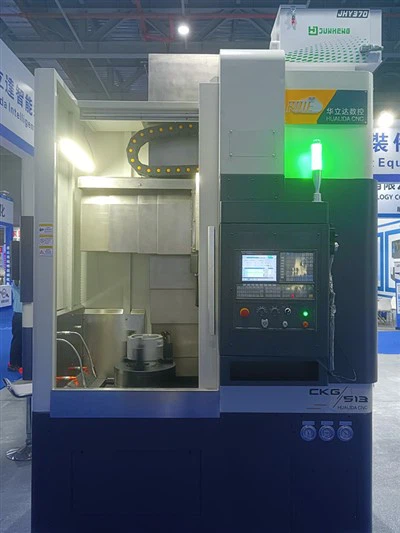
Aligning a workpiece on a vertical lathe machine is a crucial step that can significantly impact the quality and precision of your machining operations. As a supplier of Vertical Lathe Machine, I've seen firsthand how proper alignment can make or break a project. In this blog, I'll share some tips and techniques to help you align your workpiece accurately on a vertical lathe machine.
Understanding the Basics of Workpiece Alignment
Before we dive into the alignment process, it's important to understand why alignment matters. When a workpiece is properly aligned on a vertical lathe machine, it ensures that the cutting tools interact with the material in the intended way. This leads to better surface finish, more accurate dimensions, and reduced tool wear. On the other hand, misaligned workpieces can result in uneven cuts, poor part quality, and even damage to the machine.
Preparing the Vertical Lathe Machine
The first step in aligning a workpiece is to prepare the vertical lathe machine. Start by cleaning the machine table and the chuck or fixture that will hold the workpiece. Any debris or dirt on these surfaces can cause the workpiece to sit unevenly, leading to alignment issues. Make sure the chuck or fixture is properly installed and tightened to the machine table.
Next, check the machine's leveling. A vertical lathe machine should be level to ensure that the workpiece is perpendicular to the cutting tools. Use a spirit level to check the machine's levelness in both the X and Y axes. If the machine is not level, adjust the leveling feet until it is.
Selecting the Right Chuck or Fixture
Choosing the right chuck or fixture for your workpiece is essential for proper alignment. There are several types of chucks and fixtures available, each designed for specific workpiece shapes and sizes. For example, a three-jaw chuck is commonly used for round workpieces, while a four-jaw chuck provides more flexibility for irregularly shaped workpieces.


When selecting a chuck or fixture, consider the size and weight of the workpiece, as well as the required clamping force. Make sure the chuck or fixture can securely hold the workpiece without causing any deformation. If necessary, use additional support or backing plates to prevent the workpiece from shifting during machining.
Mounting the Workpiece
Once you've selected the right chuck or fixture, it's time to mount the workpiece. Carefully place the workpiece into the chuck or fixture, making sure it is centered and aligned with the machine's axis of rotation. Use a dial indicator to check the workpiece's alignment. Place the dial indicator on the machine table and touch the probe to the workpiece's surface. Rotate the workpiece slowly and observe the dial indicator's reading. If the reading varies, adjust the workpiece's position until the reading is within the acceptable tolerance.
For larger or heavier workpieces, it may be necessary to use a crane or hoist to lift the workpiece onto the machine table. Make sure the lifting equipment is properly rated for the weight of the workpiece and that it is attached securely to the workpiece.
Using Alignment Tools
In addition to a dial indicator, there are other alignment tools that can help you ensure accurate workpiece alignment. One such tool is a center finder. A center finder is used to locate the center of a round workpiece. Place the center finder on the machine table and align it with the workpiece's edge. The center finder will then indicate the center of the workpiece, allowing you to position it accurately in the chuck or fixture.
Another useful alignment tool is a height gauge. A height gauge is used to measure the height of the workpiece and ensure that it is level. Place the height gauge on the machine table and touch the probe to the workpiece's surface. Adjust the workpiece's position until the height gauge reading is consistent across the workpiece's surface.
Final Checks and Adjustments
After mounting the workpiece and using the alignment tools, it's important to perform a final check to ensure that the workpiece is properly aligned. Rotate the workpiece slowly and observe the cutting tools' interaction with the material. Look for any signs of uneven cutting or vibration, which may indicate alignment issues. If necessary, make any final adjustments to the workpiece's position or the machine's settings.
Tips for Maintaining Workpiece Alignment
Once the workpiece is properly aligned, it's important to maintain its alignment throughout the machining process. Here are some tips to help you maintain workpiece alignment:
- Use proper cutting parameters: Make sure you're using the correct cutting speed, feed rate, and depth of cut for the material and the cutting tools. Using incorrect cutting parameters can cause the workpiece to shift or vibrate, leading to alignment issues.
- Monitor the machining process: Regularly check the workpiece's alignment during the machining process. Use a dial indicator or other alignment tools to ensure that the workpiece remains properly aligned. If you notice any changes in the alignment, stop the machining process and make the necessary adjustments.
- Avoid overloading the machine: Do not exceed the machine's recommended capacity. Overloading the machine can cause the workpiece to shift or vibrate, leading to alignment issues.
- Keep the machine clean and maintained: Regularly clean the machine and the cutting tools to prevent debris and dirt from accumulating. A clean machine will operate more smoothly and help maintain workpiece alignment.
Conclusion
Aligning a workpiece on a vertical lathe machine is a critical step that requires attention to detail and the use of the right tools and techniques. By following the tips and techniques outlined in this blog, you can ensure accurate workpiece alignment and achieve high-quality machining results.
If you're in the market for a Vertical Lathe Machine, we offer a wide range of options, including Heavy Cutting Vertical Lathe and Hard Rail Vertical Lathe. Our machines are designed to provide precision and reliability, making them ideal for a variety of machining applications. If you have any questions or would like to discuss your specific needs, please don't hesitate to contact us. We're here to help you find the right solution for your machining requirements.
References
- "Vertical Lathe Operation and Maintenance Manual"
- "Machining Handbook"
- "Precision Alignment Techniques in Manufacturing"