As a supplier of high precision vertical lathes, I understand the critical role that cutting tools play in achieving optimal performance and precision in machining operations. Selecting the right cutting tools for a high precision vertical lathe is not a decision to be taken lightly, as it can significantly impact the quality of the finished product, the efficiency of the machining process, and the overall cost of production. In this blog post, I will share some insights and guidelines on how to choose the right cutting tools for a high precision vertical lathe.
Understanding the Basics of Cutting Tools
Before delving into the selection process, it is essential to have a basic understanding of the different types of cutting tools available and their applications. The most common types of cutting tools used in high precision vertical lathes include turning tools, boring tools, drilling tools, and threading tools.
- Turning Tools: Turning tools are used to remove material from the outer diameter of a workpiece. They come in various shapes and sizes, including inserts, brazed tips, and solid carbide tools. Turning tools are typically made of high-speed steel (HSS), carbide, or ceramic materials, each with its own advantages and disadvantages.
- Boring Tools: Boring tools are used to enlarge existing holes or create new holes in a workpiece. They are similar to turning tools but are designed to work from the inside of the hole rather than the outside. Boring tools can be single-point or multi-point, and they are also available in various materials and geometries.
- Drilling Tools: Drilling tools are used to create holes in a workpiece. They are typically made of HSS or carbide and come in various sizes and shapes, including twist drills, center drills, and spot drills. Drilling tools can be used for both through holes and blind holes.
- Threading Tools: Threading tools are used to create threads on a workpiece. They can be used for both external and internal threads and are available in various types, including single-point threading tools, multi-point threading tools, and thread milling cutters.
Factors to Consider When Choosing Cutting Tools
When choosing cutting tools for a high precision vertical lathe, several factors need to be considered to ensure optimal performance and precision. These factors include the workpiece material, the machining operation, the cutting conditions, and the tool geometry.
- Workpiece Material: The workpiece material is one of the most important factors to consider when choosing cutting tools. Different materials have different properties, such as hardness, toughness, and machinability, which can affect the performance of the cutting tool. For example, hard materials like stainless steel and titanium require cutting tools with high wear resistance and heat resistance, while soft materials like aluminum and brass can be machined with less expensive cutting tools.
- Machining Operation: The machining operation is another important factor to consider when choosing cutting tools. Different operations, such as turning, boring, drilling, and threading, require different types of cutting tools with specific geometries and cutting edges. For example, turning operations typically require cutting tools with a sharp cutting edge and a positive rake angle, while boring operations require cutting tools with a long reach and a small diameter.
- Cutting Conditions: The cutting conditions, such as the cutting speed, feed rate, and depth of cut, also play a crucial role in the performance of the cutting tool. These conditions need to be carefully selected based on the workpiece material, the machining operation, and the cutting tool geometry to ensure optimal performance and precision. For example, high cutting speeds and feed rates can increase the productivity of the machining process but can also cause excessive tool wear and damage.
- Tool Geometry: The tool geometry, such as the rake angle, clearance angle, and cutting edge radius, can also affect the performance of the cutting tool. Different tool geometries are suitable for different machining operations and workpiece materials. For example, a positive rake angle can reduce the cutting force and improve the surface finish, while a negative rake angle can increase the tool strength and wear resistance.
Types of Cutting Tool Materials
Cutting tools are typically made of various materials, each with its own advantages and disadvantages. The most common types of cutting tool materials used in high precision vertical lathes include high-speed steel (HSS), carbide, and ceramic materials.
- High-Speed Steel (HSS): HSS is a popular cutting tool material due to its high toughness, good wear resistance, and relatively low cost. HSS cutting tools are suitable for machining a wide range of materials, including steel, aluminum, and brass. However, HSS cutting tools have a lower cutting speed and heat resistance compared to carbide and ceramic materials.
- Carbide: Carbide is a hard and wear-resistant cutting tool material that is widely used in high precision vertical lathes. Carbide cutting tools are suitable for machining hard materials, such as stainless steel, titanium, and hardened steel. Carbide cutting tools have a higher cutting speed and heat resistance compared to HSS cutting tools, but they are also more expensive and brittle.
- Ceramic: Ceramic is a very hard and wear-resistant cutting tool material that is suitable for machining high-hardness materials, such as hardened steel and superalloys. Ceramic cutting tools have a very high cutting speed and heat resistance, but they are also very brittle and require careful handling.
Choosing the Right Cutting Tool for Your Application
To choose the right cutting tool for your application, you need to consider the factors mentioned above and select a cutting tool that is suitable for your workpiece material, machining operation, cutting conditions, and tool geometry. Here are some general guidelines to help you choose the right cutting tool:
- Match the Cutting Tool Material to the Workpiece Material: As mentioned earlier, different workpiece materials require different cutting tool materials. For example, hard materials like stainless steel and titanium require cutting tools with high wear resistance and heat resistance, such as carbide or ceramic materials. Soft materials like aluminum and brass can be machined with less expensive cutting tools, such as HSS materials.
- Select the Right Tool Geometry: The tool geometry, such as the rake angle, clearance angle, and cutting edge radius, can affect the performance of the cutting tool. Different tool geometries are suitable for different machining operations and workpiece materials. For example, a positive rake angle can reduce the cutting force and improve the surface finish, while a negative rake angle can increase the tool strength and wear resistance.
- Consider the Cutting Conditions: The cutting conditions, such as the cutting speed, feed rate, and depth of cut, also play a crucial role in the performance of the cutting tool. These conditions need to be carefully selected based on the workpiece material, the machining operation, and the cutting tool geometry to ensure optimal performance and precision. For example, high cutting speeds and feed rates can increase the productivity of the machining process but can also cause excessive tool wear and damage.
- Choose a Reputable Cutting Tool Manufacturer: Choosing a reputable cutting tool manufacturer is essential to ensure the quality and performance of the cutting tool. A reputable manufacturer will have a wide range of cutting tools available, as well as technical support and expertise to help you choose the right cutting tool for your application.
Conclusion
Choosing the right cutting tools for a high precision vertical lathe is a critical decision that can significantly impact the quality of the finished product, the efficiency of the machining process, and the overall cost of production. By considering the factors mentioned above and following the guidelines provided, you can select the right cutting tools for your application and achieve optimal performance and precision in your machining operations.
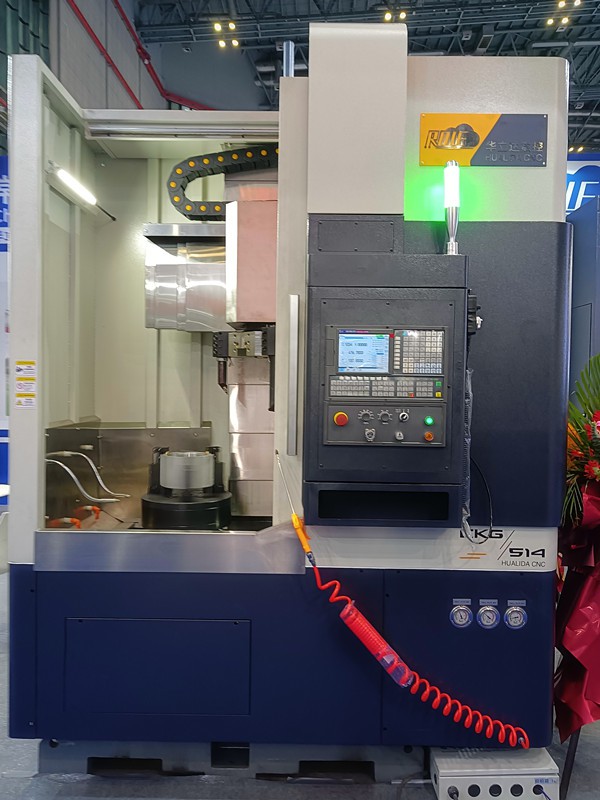

If you are interested in learning more about high precision vertical lathes or need help choosing the right cutting tools for your application, please feel free to contact us. We are a leading supplier of Turning and Grinding Compound Machine Tools, CNC Vertical Grinding Machine, and Fixed Beam CNC Vertical Milling Machine, and we have a team of experts who can provide you with the technical support and expertise you need. Contact us today to start a discussion about your specific requirements and explore how we can assist you in your procurement process.
References
- Kalpakjian, S., & Schmid, S. R. (2010). Manufacturing Engineering and Technology (6th ed.). Pearson Prentice Hall.
- Trent, E. M., & Wright, P. K. (2000). Metal Cutting (4th ed.). Butterworth-Heinemann.
- Stephenson, D. A., & Agapiou, J. S. (2006). Metal Machining: Theory and Applications (2nd ed.). CRC Press.