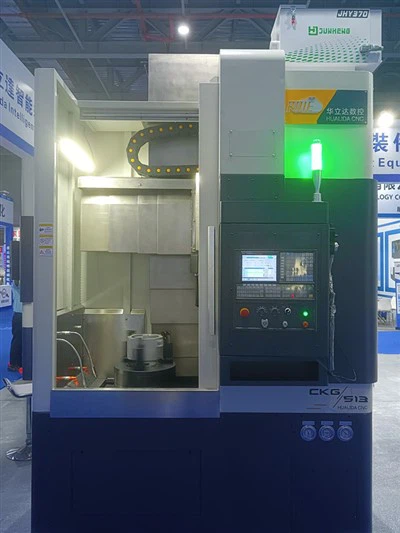
When it comes to the manufacturing industry, the new vertical lathe stands as a cornerstone of precision machining. As a seasoned supplier of new vertical lathes, I often encounter inquiries regarding various aspects of these machines, and one question that frequently surfaces is, "What is the weight of a new vertical lathe?" In this blog post, I'll delve into this topic, exploring the factors that influence the weight of a new vertical lathe and why it matters.
Understanding the Basics of a New Vertical Lathe
Before we dive into the weight, let's briefly understand what a new vertical lathe is. A vertical lathe, also known as a vertical turning center, is a machine tool used for machining large and heavy workpieces. Unlike horizontal lathes, where the spindle is oriented horizontally, the spindle of a vertical lathe is vertically oriented. This design allows for better support of heavy workpieces, as gravity helps keep the workpiece in place during machining operations.
New vertical lathes come equipped with advanced features such as computer numerical control (CNC), which enables precise and automated machining. They are widely used in industries such as aerospace, automotive, energy, and heavy machinery manufacturing for tasks like turning, boring, drilling, and facing.
Factors Influencing the Weight of a New Vertical Lathe
The weight of a new vertical lathe can vary significantly depending on several factors. Here are some of the key factors that contribute to the overall weight of these machines:
1. Size and Dimensions
One of the most significant factors influencing the weight of a new vertical lathe is its size and dimensions. Larger lathes with bigger work envelopes and longer travel distances typically weigh more than smaller ones. For example, a large - scale vertical lathe designed to handle massive workpieces may have a heavier base, column, and cross - slide to provide the necessary stability and support.
The diameter of the worktable is also a crucial dimension. A larger worktable can accommodate larger workpieces but requires a more substantial structure to support it. As a result, vertical lathes with larger worktable diameters tend to be heavier.
2. Construction Materials
The materials used in the construction of a new vertical lathe play a vital role in determining its weight. Most vertical lathes have a base and column made of cast iron, which is known for its high strength, good damping properties, and excellent stability. Cast iron components add significant weight to the machine but also contribute to its rigidity and vibration resistance.
Some modern vertical lathes may also incorporate steel components in their construction, especially for parts that require high strength and precision. Steel is lighter than cast iron but offers comparable strength in certain applications. Additionally, the use of composite materials or lightweight alloys in some components can help reduce the overall weight of the machine without sacrificing performance.
3. Component Complexity
The complexity of the components in a new vertical lathe can also affect its weight. Advanced vertical lathes often come with additional features such as automatic tool changers, live tooling, and multiple axes of motion. These components add to the overall weight of the machine as they require additional structures and mechanisms for support and operation.
For example, an automatic tool changer allows the machine to switch between different cutting tools automatically during a machining operation. This requires a tool magazine, a tool - changing arm, and associated control systems, all of which contribute to the weight of the lathe.
4. Accessories and Attachments
The inclusion of accessories and attachments can further increase the weight of a new vertical lathe. Accessories such as coolant systems, chip conveyors, and tailstocks add functionality to the machine but also add extra weight. Coolant systems are used to lubricate and cool the cutting tools during machining, and they typically consist of a coolant tank, pump, and piping, which all contribute to the overall weight.
Typical Weight Ranges of New Vertical Lathes
Given the wide range of factors that influence the weight of a new vertical lathe, it's difficult to provide a specific weight for all models. However, we can give a general idea of the weight ranges based on different sizes and types of vertical lathes.
Small - to medium - sized vertical lathes with worktable diameters ranging from 500 mm to 1500 mm may weigh anywhere from 2 to 10 tons. These lathes are suitable for machining smaller workpieces and are often used in job shops and small - scale manufacturing operations.
Medium - to large - sized vertical lathes with worktable diameters between 1500 mm and 3000 mm can weigh between 10 to 30 tons. These machines are capable of handling larger and heavier workpieces and are commonly used in industries such as automotive and heavy machinery manufacturing.
Large - scale vertical lathes with worktable diameters exceeding 3000 mm can weigh over 30 tons, sometimes reaching up to 100 tons or more. These heavy - duty machines are designed for machining extremely large and heavy workpieces, such as turbine shafts and large - diameter gears, and are typically found in industries like aerospace and energy.
Why the Weight of a New Vertical Lathe Matters
The weight of a new vertical lathe is not just a random number; it has several important implications for both the performance of the machine and its installation requirements.
1. Stability and Vibration Resistance
A heavier vertical lathe generally offers better stability and vibration resistance during machining operations. When a cutting tool engages with a workpiece, it generates forces that can cause the machine to vibrate. A heavier machine with a solid base and robust structure can better absorb these forces, reducing vibration and ensuring a smoother and more accurate machining process. This is particularly important for achieving high - precision machining, where even small vibrations can affect the quality of the finished workpiece.
2. Rigidity and Accuracy
The weight of a vertical lathe is closely related to its rigidity. A rigid machine is less likely to deform under the forces generated during machining, which helps maintain the accuracy of the machining process. For example, when turning a large - diameter workpiece, a rigid vertical lathe can prevent deflection of the cutting tool and the workpiece, resulting in more precise dimensions and better surface finish.
3. Installation and Foundation Requirements
The weight of a new vertical lathe also affects its installation requirements. Heavier machines require a more substantial foundation to support their weight and prevent any movement or settling during operation. Before installing a vertical lathe, the floor or foundation must be properly prepared to ensure that it can withstand the weight of the machine and the dynamic forces generated during machining. This may involve pouring a thick concrete slab or using special foundation pads.
Our New Vertical Lathe Offerings
As a supplier of new vertical lathes, we offer a wide range of models to meet the diverse needs of our customers. Here are some of our popular models and their approximate weights:
- CKG513 CNC Vertical Lathe: This medium - sized vertical lathe has a worktable diameter of 1000 mm and weighs approximately 5 tons. It is suitable for a variety of machining applications and offers high precision and reliability.
- CKG515 CNC Vertical Lathe: With a worktable diameter of 1500 mm, this vertical lathe weighs around 12 tons. It is equipped with advanced CNC controls and features, making it ideal for medium - to large - scale machining projects.
- CKG516 CNC Vertical Turning Lathe: This large - scale vertical lathe has a worktable diameter of 2000 mm and weighs approximately 20 tons. It is designed for heavy - duty machining tasks and offers excellent performance and stability.
Conclusion
In conclusion, the weight of a new vertical lathe is influenced by factors such as size, construction materials, component complexity, and accessories. Understanding the weight of these machines is crucial for assessing their performance, installation requirements, and suitability for specific machining applications.
As a trusted supplier of new vertical lathes, we are committed to providing high - quality machines that meet the needs of our customers. Whether you are looking for a small - sized lathe for precision machining or a large - scale lathe for heavy - duty applications, we have the right solution for you.


If you are interested in learning more about our new vertical lathes or have any questions regarding their weight, performance, or installation, please feel free to contact us. Our team of experts is ready to assist you in finding the perfect vertical lathe for your manufacturing needs.
References
- "Machining Technology: An Introduction" by Robert L. Norton
- "Manufacturing Engineering and Technology" by S. Kalpakjian and S. Rajagopal