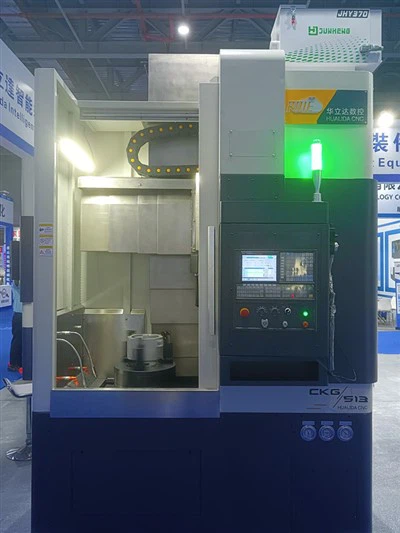
A large cutting vertical lathe is a significant investment in any manufacturing operation, and proper maintenance is crucial to ensure its longevity and optimal performance. Cleaning is an essential part of this maintenance routine. As a supplier of large cutting vertical lathes, I understand the importance of providing clear guidance on how to clean these machines effectively. In this blog post, I'll share a step-by-step guide on cleaning a large cutting vertical lathe.
Pre - cleaning Preparations
Before you start cleaning, it's essential to take some safety precautions. First, power off the lathe and unplug it from the electrical source to prevent any accidental start - up. Wear appropriate personal protective equipment (PPE), including safety glasses, gloves, and a dust mask. This will protect you from debris, coolant, and dust that may be present during the cleaning process.
Gather all the necessary cleaning tools and supplies. You'll need soft - bristle brushes, microfiber cloths, a vacuum cleaner with a brush attachment, a suitable cleaning solution (check the manufacturer's recommendations for the best one for your lathe), and a lubricant for parts that require it.
Cleaning the Exterior
The exterior of the large cutting vertical lathe is the first area to clean. Start by using a dry microfiber cloth to wipe away any loose dust and debris. Pay special attention to the control panel, as dust can interfere with the operation of the buttons and display. For stubborn dirt and grime, dampen the cloth with a mild cleaning solution and gently wipe the surface. Avoid getting the cleaning solution into any electrical components.
Next, use a soft - bristle brush to clean the hard - to - reach areas, such as the corners and crevices. A vacuum cleaner with a brush attachment can also be used to suck up the dislodged dust. After cleaning, dry the exterior thoroughly to prevent rusting.
Cleaning the Workpiece Table
The workpiece table is a critical part of the vertical lathe. It's where the workpieces are mounted and machined, so it's likely to accumulate a significant amount of chips, coolant, and dirt. Begin by removing any remaining workpieces and fixtures from the table. Use a brush to sweep the chips into a pile, and then use a vacuum cleaner to collect them.
For more stubborn debris, apply a suitable cleaning solution to the table. Let it sit for a few minutes to loosen the dirt, and then scrub the surface gently with a brush. Rinse the table with clean water and dry it completely. After cleaning, check the table for any signs of damage, such as scratches or dents. If you find any, it's important to address them promptly to ensure accurate machining.
Cleaning the Spindle
The spindle is the heart of the vertical lathe, and keeping it clean is essential for its performance. Start by removing the chuck or other tooling attached to the spindle. Use a brush to clean the spindle nose and the inside of the chuck. Pay attention to the taper, as any debris in this area can affect the accuracy of the tooling.

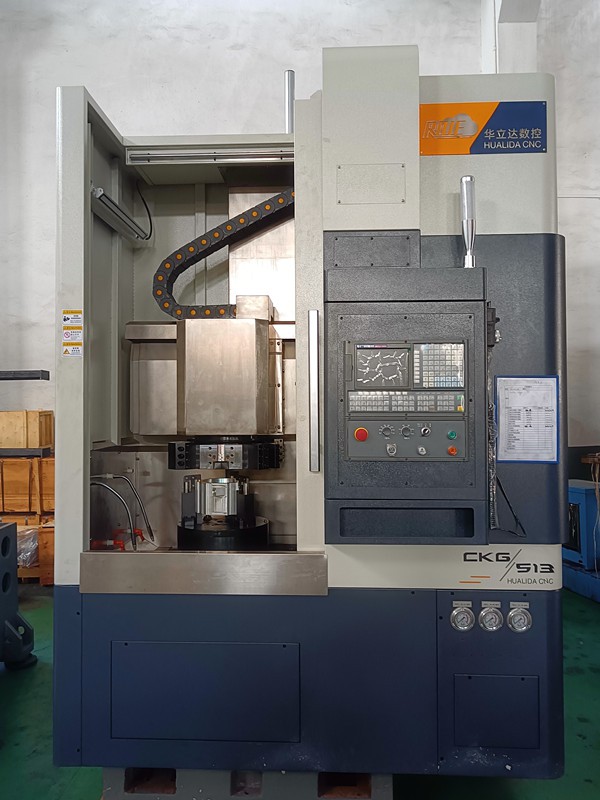
Apply a small amount of cleaning solution to a microfiber cloth and carefully wipe the spindle surface. Avoid using abrasive materials that could scratch the spindle. After cleaning, lubricate the spindle according to the manufacturer's recommendations. This will help reduce friction and prevent wear.
Cleaning the Coolant System
The coolant system plays a vital role in the operation of the large cutting vertical lathe. It helps to cool the cutting tool and workpiece, and also flushes away chips. Over time, the coolant can become contaminated with chips, dirt, and bacteria.
First, drain the coolant from the system into a suitable container. Use a vacuum cleaner or a pump to remove any remaining coolant from the tank. Clean the coolant tank with a cleaning solution and a brush. Pay special attention to the corners and the bottom of the tank, where debris tends to accumulate.
Next, clean the coolant lines. Disconnect the lines from the pump and the nozzles, and use a cleaning solution to flush them out. You can use a small brush to clean the inside of the lines if necessary. Reconnect the lines and refill the coolant tank with fresh coolant.
Cleaning the Electrical Components
Cleaning the electrical components of the vertical lathe requires extra care. Use a dry microfiber cloth to wipe the electrical cabinets and the wiring. Avoid using any cleaning solutions that could damage the electrical insulation. If there is a significant amount of dust, you can use a compressed air gun to blow it away. However, make sure to hold the gun at a safe distance and use a low - pressure setting to prevent damage to the components.
Check the electrical connections for any signs of looseness or corrosion. If you find any loose connections, tighten them carefully. For corroded connections, you may need to clean them with a specialized electrical contact cleaner.
Post - cleaning Inspection
After completing the cleaning process, it's important to conduct a thorough inspection of the large cutting vertical lathe. Check all the moving parts, such as the slides and the lead screws, for smooth operation. Look for any signs of wear or damage, and replace any worn - out parts as soon as possible.
Inspect the lubrication levels in all the lubricated parts. Top up the lubricant if necessary. Also, check the alignment of the machine to ensure accurate machining.
Conclusion
Cleaning a large cutting vertical lathe is a comprehensive process that requires attention to detail and proper safety precautions. By following the steps outlined in this blog post, you can keep your lathe in excellent condition, which will extend its lifespan and improve its performance.
As a supplier of large cutting vertical lathes, I'm committed to providing high - quality machines and the support you need to maintain them. If you're in the market for a new Hard Rail Vertical Lathe, Vertical CNC Lathe, or Vertical Lathe Machine, I encourage you to contact us for more information and to discuss your specific requirements. We can offer you the best solutions tailored to your manufacturing needs.
References
- Manufacturer's manuals for large cutting vertical lathes
- Industry standards for machine tool maintenance and cleaning