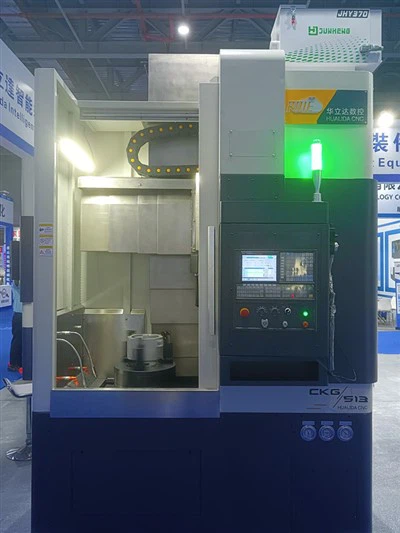
Improving the surface finish of machined parts on a CNC vertical turning machine is a crucial aspect of precision manufacturing. As a supplier of CNC vertical turning machines, I understand the significance of achieving high - quality surface finishes for our customers. In this blog, I will share some effective strategies and techniques that can be employed to enhance the surface finish of machined parts.
Understanding the Basics of Surface Finish
Before delving into the improvement methods, it's essential to understand what surface finish means. Surface finish refers to the texture of a surface as determined by three characteristics: roughness, waviness, and lay. Roughness is the fine irregularities on the surface, waviness is the more widely spaced deviations, and lay is the direction of the predominant surface pattern. A good surface finish can improve the functionality, durability, and aesthetics of the machined parts.
Machine Selection and Maintenance
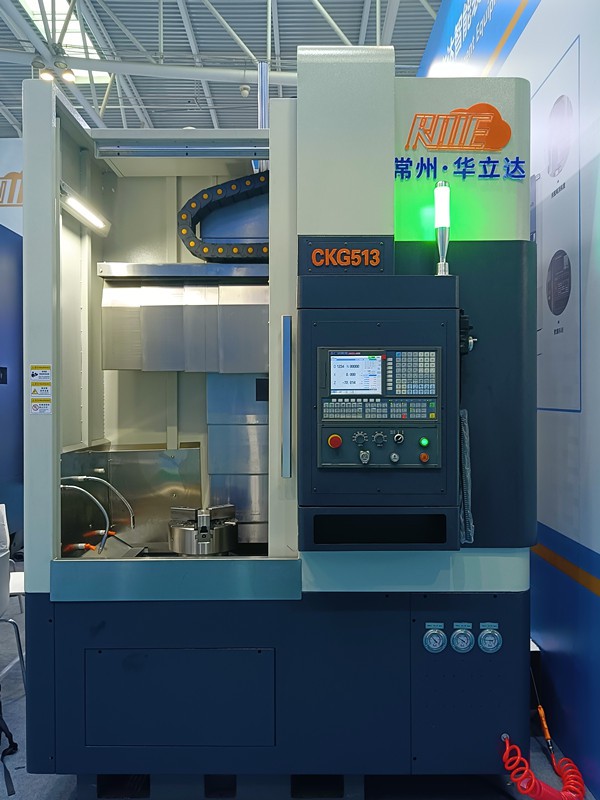
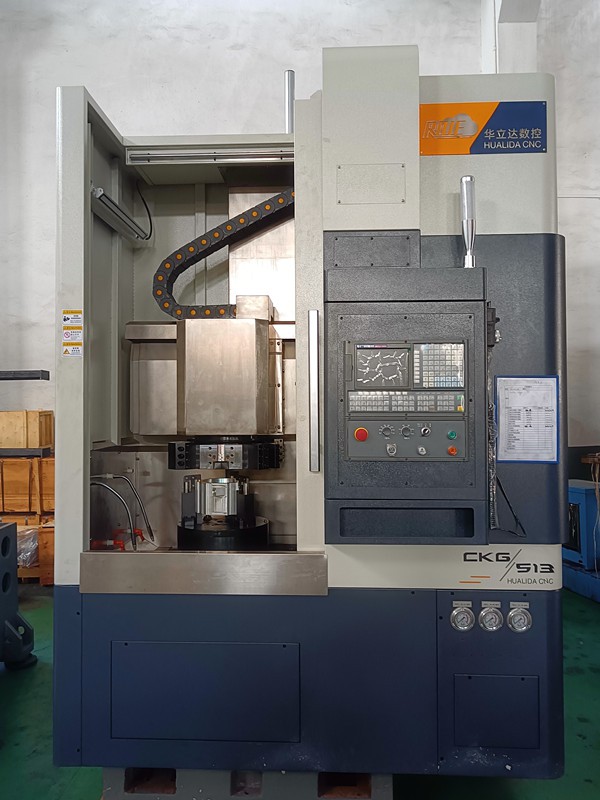
The choice of the CNC vertical turning machine plays a vital role in achieving a good surface finish. We offer a range of high - quality machines, including the Heavy Vertical Lathe, Vertical Lathe Machine, and Hard Rail Vertical Lathe. These machines are designed with advanced features and high - precision components to ensure stable and accurate machining.
Regular maintenance of the CNC vertical turning machine is also crucial. A well - maintained machine can reduce vibrations, which are one of the main causes of poor surface finish. Check the machine's bearings, spindles, and guide rails regularly for wear and tear. Lubricate the moving parts as recommended by the manufacturer to ensure smooth operation. Make sure the machine's level is properly adjusted to prevent uneven cutting forces.
Cutting Tool Selection
The cutting tool is another key factor in determining the surface finish. Selecting the right cutting tool for the material being machined is essential. Carbide cutting tools are widely used in CNC vertical turning due to their high hardness, wear resistance, and heat resistance. For materials with high hardness, such as hardened steel, ceramic or cubic boron nitride (CBN) cutting tools may be more suitable.
The geometry of the cutting tool also affects the surface finish. Tools with a small nose radius can produce a smoother surface finish compared to those with a large nose radius. However, a very small nose radius may reduce the tool's strength and increase the risk of chipping. The rake angle and clearance angle of the tool should also be optimized for the specific machining operation. A positive rake angle can reduce cutting forces, while an appropriate clearance angle can prevent the tool from rubbing against the workpiece.
Cutting Parameters Optimization
Optimizing the cutting parameters is a critical step in improving the surface finish. The three main cutting parameters are cutting speed, feed rate, and depth of cut.
Cutting speed refers to the speed at which the cutting edge of the tool moves relative to the workpiece. Increasing the cutting speed generally improves the surface finish, as it reduces the built - up edge formation on the cutting tool. However, excessive cutting speed can lead to increased tool wear and heat generation, which may damage the tool and the workpiece.
The feed rate is the distance the tool advances into the workpiece per revolution of the spindle. A lower feed rate usually results in a better surface finish, but it also increases the machining time. It's necessary to find a balance between the feed rate and the machining efficiency.
The depth of cut is the thickness of the material removed in each pass of the cutting tool. A smaller depth of cut can improve the surface finish, but it may require more passes to complete the machining, increasing the overall machining time. Experiment with different combinations of cutting parameters to find the optimal settings for your specific application.
Workpiece Material and Fixturing
The type of workpiece material can also influence the surface finish. Some materials, such as aluminum and brass, are relatively easy to machine and can achieve a good surface finish with proper machining techniques. Other materials, like stainless steel and titanium, are more difficult to machine due to their high strength and low thermal conductivity. For these materials, special cutting tools and machining strategies may be required.
Proper fixturing of the workpiece is essential to ensure a stable machining process. A loose or poorly clamped workpiece can cause vibrations and movement during machining, resulting in a poor surface finish. Use high - quality fixtures and clamps to hold the workpiece firmly in place. Make sure the fixture does not interfere with the cutting operation and allows for easy access to the machining area.
Coolant and Lubrication
Using an appropriate coolant or lubricant can significantly improve the surface finish. Coolants help to reduce heat generation during machining, which can prevent tool wear and material deformation. They also flush away the chips from the cutting area, preventing them from scratching the workpiece surface.
There are different types of coolants available, such as water - based coolants, oil - based coolants, and synthetic coolants. Water - based coolants are commonly used due to their good cooling properties and low cost. Oil - based coolants provide better lubrication, which can reduce friction between the tool and the workpiece. Select the coolant based on the workpiece material, cutting tool, and machining operation.
The application method of the coolant is also important. Flood coolant application is a common method, where a large volume of coolant is sprayed onto the cutting area. This method can effectively cool the tool and the workpiece and remove the chips. Minimum quantity lubrication (MQL) is another option, which uses a small amount of lubricant delivered in a fine mist. MQL can reduce the environmental impact and the cost associated with coolant disposal.
Post - machining Processes
After the machining operation, post - machining processes can be used to further improve the surface finish. Polishing is a common post - machining process that can remove small surface irregularities and create a mirror - like finish. There are different polishing methods available, such as mechanical polishing, chemical polishing, and electrochemical polishing.
Deburring is another important post - machining process. Burrs are small, unwanted projections of material that are left on the workpiece after machining. They can affect the functionality and safety of the part. Use deburring tools, such as files, abrasive wheels, or chemical deburring agents, to remove the burrs from the workpiece.
Quality Control and Inspection
Implementing a quality control system is essential to ensure that the desired surface finish is achieved. Use surface roughness measuring instruments, such as profilometers, to measure the surface roughness of the machined parts. Regularly inspect the machined parts during and after the machining process to detect any surface finish issues early.
If any problems are detected, analyze the root cause and take corrective actions. This may involve adjusting the cutting parameters, changing the cutting tool, or improving the fixturing. Keep records of the machining processes and the inspection results to identify trends and make continuous improvements.
Conclusion
Improving the surface finish of machined parts on a CNC vertical turning machine requires a comprehensive approach that involves machine selection and maintenance, cutting tool selection, cutting parameter optimization, workpiece material and fixturing, coolant and lubrication, post - machining processes, and quality control. As a supplier of CNC vertical turning machines, we are committed to providing our customers with the best - in - class machines and technical support to help them achieve high - quality surface finishes.
If you are interested in improving the surface finish of your machined parts or are considering purchasing a CNC vertical turning machine, we would be glad to have a discussion with you. Contact us to start a procurement negotiation and let us help you find the most suitable solution for your manufacturing needs.
References
- Kalpakjian, S., & Schmid, S. R. (2014). Manufacturing Engineering and Technology. Pearson.
- Trent, E. M., & Wright, P. K. (2000). Metal Cutting. Butterworth - Heinemann.
- Stephenson, D. A., & Agapiou, J. S. (2006). Metal Machining: Theory and Applications. CRC Press.