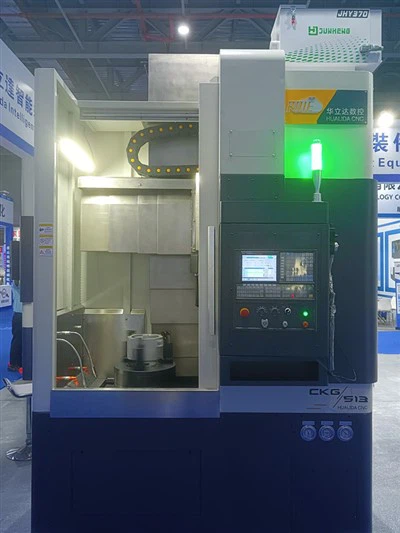
As a supplier of new vertical lathes, I often receive inquiries from customers about various aspects of our machines. One question that has been coming up more frequently lately is about the noise level of our new vertical lathes during operation. In this blog post, I'll delve into this topic, exploring what factors influence the noise level, the typical noise levels of our different models, and why this matters to you as a potential buyer.
Factors Influencing the Noise Level of a New Vertical Lathe
The noise generated by a vertical lathe during operation is influenced by several key factors. Understanding these can help you better manage and predict the noise environment in your workshop.
-
Mechanical Components: The moving parts of a vertical lathe, such as the spindle, gears, and bearings, are significant sources of noise. High - speed rotation and the interaction between these components can create vibrations that translate into audible sound. For example, if the spindle bearings are not properly lubricated or are worn out, they can produce a high - pitched whining noise.
-
Cutting Process: The cutting action itself is another major contributor to noise. When the cutting tool engages with the workpiece, it generates forces that cause vibrations in both the tool and the workpiece. The type of material being cut, the cutting speed, feed rate, and depth of cut all play a role in determining the noise level. Harder materials and higher cutting speeds generally result in louder noise.
-
Machine Design and Construction: The overall design and construction of the vertical lathe can also affect noise levels. A well - designed machine with proper damping materials and a rigid structure can help reduce the transmission of vibrations and thus lower the noise output. For instance, a machine with a solid cast iron base is likely to be quieter than one with a less rigid frame.
Noise Levels of Our New Vertical Lathe Models
We offer a range of new vertical lathes, each with its own set of features and performance characteristics. Here's a look at the typical noise levels of some of our popular models:
-
CKG513 CNC Lathe Machine: This compact and versatile vertical lathe is designed for precision machining in small to medium - sized workshops. During normal operation, the noise level of the CKG513 typically ranges from 70 to 75 decibels (dB). This is comparable to the noise level of a vacuum cleaner or a busy office environment.
-
CKG514 CNC Vertical Lathe: The CKG514 is a step up in terms of size and capacity. It offers enhanced performance and can handle larger workpieces. The noise level of this model is usually in the range of 75 to 80 dB, which is similar to the noise level of a washing machine or a moderately busy street.
-
CKG515 CNC Vertical Turning Lathe: Our largest and most powerful vertical lathe, the CKG515, is designed for heavy - duty machining applications. Due to its larger size and higher power requirements, the noise level during operation can reach 80 to 85 dB, comparable to the noise level of a lawnmower.
It's important to note that these are approximate noise levels and can vary depending on factors such as the specific cutting conditions, the age and condition of the machine, and the maintenance practices.
Why the Noise Level Matters
The noise level of a vertical lathe is not just an annoyance; it can have significant implications for your workshop environment and your business.
-
Worker Safety and Health: Prolonged exposure to high noise levels can cause hearing loss and other health problems for your employees. By choosing a vertical lathe with a lower noise level, you can create a safer and healthier working environment.
-
Productivity: Excessive noise can be distracting and can reduce the concentration and productivity of your workers. A quieter machine allows your operators to focus better on the machining process, leading to higher quality work and fewer errors.
-
Compliance: Many countries and regions have regulations regarding workplace noise levels. By ensuring that your vertical lathe meets these standards, you can avoid potential fines and legal issues.
Tips for Reducing Noise in Your Workshop
If you're concerned about the noise level of your vertical lathe, here are some tips to help you reduce it:
-
Proper Maintenance: Regular maintenance of your vertical lathe, including lubrication, alignment, and replacement of worn parts, can help keep the noise level down. A well - maintained machine operates more smoothly and quietly.
-
Soundproofing: Installing soundproofing materials in your workshop, such as acoustic panels on the walls and ceiling, can help absorb and reduce the noise. You can also use enclosures around the vertical lathe to contain the noise.
-
Optimal Cutting Parameters: Adjusting the cutting parameters, such as the cutting speed, feed rate, and depth of cut, can help reduce the noise generated during the cutting process. Experiment with different settings to find the optimal combination for your specific application.


Conclusion
The noise level of a new vertical lathe is an important consideration when choosing a machine for your workshop. At our company, we understand the significance of providing quiet and efficient machines. Our range of vertical lathes is designed with noise reduction in mind, using advanced technologies and high - quality components to minimize the noise output.
If you're interested in learning more about our new vertical lathes or would like to discuss your specific machining requirements, we encourage you to get in touch with us. Our team of experts is ready to assist you in making the right choice for your business. Whether you need a small, quiet machine for precision work or a large, powerful lathe for heavy - duty applications, we have the solution for you. Contact us today to start the conversation and take your machining operations to the next level.
References
- Machinery's Handbook, 31st Edition
- Industrial Noise Control Handbook
- OSHA Guidelines for Workplace Noise Exposure