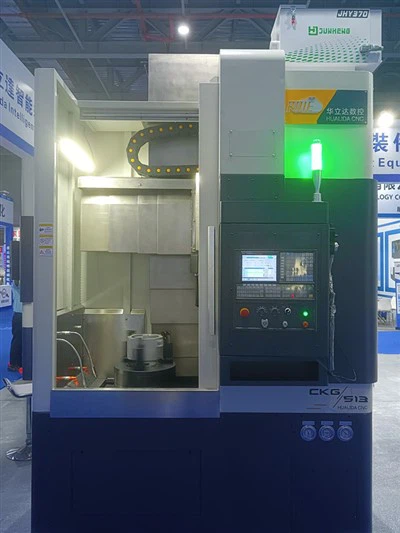
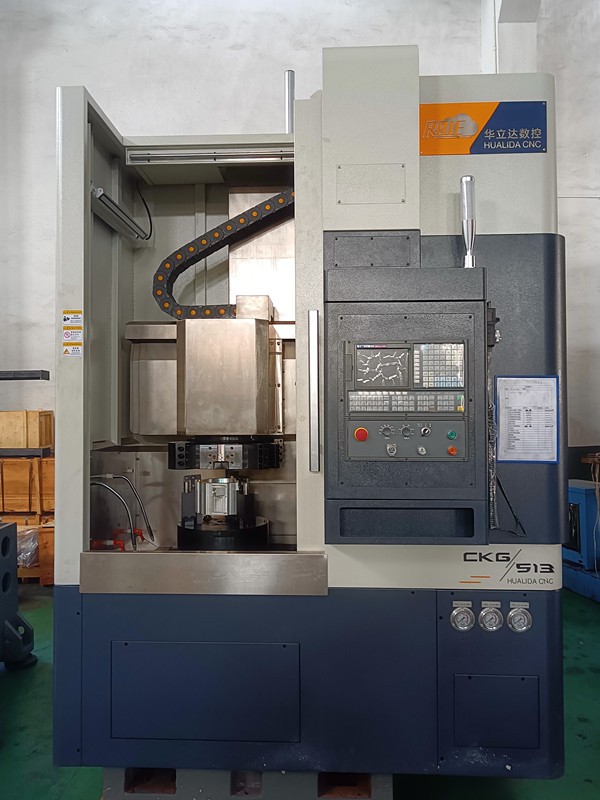
As a supplier of the CKG513 CNC Lathe Machine, I understand the critical importance of achieving a superior surface finish on workpieces. A high-quality surface finish not only enhances the aesthetic appeal of the product but also improves its functionality and durability. In this blog post, I will share some practical tips and strategies on how to improve the surface finish of the workpiece on the CKG513 CNC Lathe Machine.
Understanding the Factors Affecting Surface Finish
Before diving into the specific techniques, it's essential to understand the various factors that can influence the surface finish of a workpiece on a CNC lathe. These factors include:
- Cutting Tool Selection: The type, geometry, and material of the cutting tool play a crucial role in determining the surface finish. A sharp and properly selected cutting tool can minimize tool marks and produce a smoother surface.
- Cutting Parameters: Parameters such as cutting speed, feed rate, and depth of cut have a significant impact on the surface finish. Optimizing these parameters can help reduce vibrations, chatter, and other defects that can degrade the surface quality.
- Workpiece Material: Different materials have different machining characteristics, and the choice of workpiece material can affect the surface finish. Some materials may be more prone to built-up edge formation, while others may require specific cutting strategies to achieve a good surface finish.
- Machine Rigidity and Stability: The rigidity and stability of the CNC lathe machine are essential for maintaining accurate cutting conditions and minimizing vibrations. A well-maintained and properly calibrated machine can help produce a more consistent and high-quality surface finish.
- Coolant and Lubrication: Using the appropriate coolant and lubrication can help reduce friction, heat, and tool wear, which can improve the surface finish. Coolants can also help flush away chips and debris, preventing them from scratching the workpiece surface.
Tips for Improving Surface Finish on the CKG513 CNC Lathe Machine
1. Select the Right Cutting Tool
- Tool Geometry: Choose a cutting tool with a geometry that is suitable for the specific machining operation and workpiece material. For example, a sharp cutting edge and a positive rake angle can help reduce cutting forces and improve chip formation, resulting in a better surface finish.
- Tool Material: Select a cutting tool material that is appropriate for the workpiece material and cutting conditions. High-speed steel (HSS) tools are suitable for general-purpose machining, while carbide tools are more suitable for high-speed and high-precision machining.
- Tool Coating: Consider using a coated cutting tool to improve tool life and surface finish. Coatings such as titanium nitride (TiN), titanium carbonitride (TiCN), and aluminum titanium nitride (AlTiN) can reduce friction, heat, and wear, resulting in a smoother surface finish.
2. Optimize Cutting Parameters
- Cutting Speed: Adjust the cutting speed based on the workpiece material, cutting tool material, and depth of cut. A higher cutting speed can generally improve the surface finish, but it may also increase the risk of tool wear and chatter.
- Feed Rate: Select an appropriate feed rate to achieve the desired surface finish. A lower feed rate can produce a smoother surface finish, but it may also increase the machining time.
- Depth of Cut: Choose a depth of cut that is appropriate for the cutting tool and workpiece material. A smaller depth of cut can help reduce cutting forces and improve surface finish, but it may also require more passes to complete the machining operation.
3. Improve Workpiece Holding and Fixturing
- Proper Clamping: Ensure that the workpiece is securely clamped to the lathe chuck or fixture to prevent movement during machining. Loose or unstable workpieces can cause vibrations and chatter, which can degrade the surface finish.
- Fixture Design: Use a fixture that is designed to provide maximum support and stability for the workpiece. A well-designed fixture can help reduce deflection and improve the accuracy of the machining operation.
4. Maintain Machine Rigidity and Stability
- Regular Maintenance: Perform regular maintenance on the CKG513 CNC Lathe Machine to ensure that it is in good working condition. This includes cleaning, lubricating, and inspecting the machine components, as well as checking the alignment and calibration of the machine.
- Vibration Damping: Use vibration damping techniques such as anti-vibration pads or dampers to reduce vibrations and chatter during machining. Vibration can cause tool wear, surface roughness, and other defects, so it's important to minimize it as much as possible.
5. Use Appropriate Coolant and Lubrication
- Coolant Selection: Choose a coolant that is suitable for the workpiece material and cutting conditions. Coolants can help reduce friction, heat, and tool wear, as well as flush away chips and debris.
- Lubrication: Apply lubrication to the cutting tool and workpiece to reduce friction and improve chip formation. Lubricants can also help prevent built-up edge formation, which can degrade the surface finish.
Additional Considerations
- Tool Path Optimization: Use a tool path optimization strategy to minimize the number of tool passes and reduce the cutting time. A well-optimized tool path can also help improve the surface finish by reducing the amount of material that needs to be removed.
- Chip Management: Proper chip management is essential for maintaining a good surface finish. Use a chip breaker or a chip conveyor to remove chips from the machining area and prevent them from scratching the workpiece surface.
- Inspection and Quality Control: Regularly inspect the workpiece surface finish using appropriate measuring tools such as a surface roughness tester. This can help identify any defects or issues early on and allow for corrective action to be taken.
Related Products
If you are interested in other CNC vertical lathe machines, we also offer the CKG5110 CNC Vertical Lathe and the CKG518 CNC Vertical Lathe. These machines are designed to provide high precision and efficiency for a wide range of machining applications. You can also explore our New Vertical Lathe series for the latest technology and features.
Conclusion
Improving the surface finish of the workpiece on the CKG513 CNC Lathe Machine requires a combination of proper tool selection, optimized cutting parameters, good workpiece holding and fixturing, machine maintenance, and the use of appropriate coolant and lubrication. By following these tips and strategies, you can achieve a higher quality surface finish, improve the functionality and durability of your products, and increase your productivity and profitability.
If you have any questions or need further assistance with improving the surface finish on your CKG513 CNC Lathe Machine, please don't hesitate to contact us. We are here to help you optimize your machining processes and achieve the best possible results.

References
- Smith, J. (2018). CNC Machining Handbook. McGraw-Hill Education.
- Brown, A. (2019). Cutting Tool Technology. Industrial Press.
- Jones, R. (2020). Machining Processes and Machine Tools. Pearson Education.